Indian Indie Cricket Rhythm Game Bat to the Beat Shines at Steam Sports Fest
 Avinash Rohra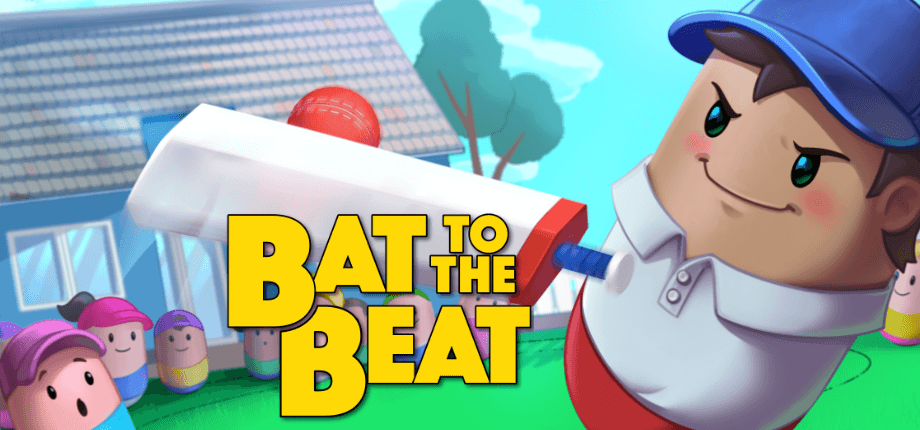
Bat to the Beat, the solo-developed cricket rhythm action title from Baba Black Sheep Games, has concluded a successful showing at Steam Sports Fest, marking a key moment of visibility for one of the more unconventional sports games currently in development. The festival, which ran through December 15, placed Bat to the Beat alongside long-established sports franchises, an unlikely but telling juxtaposition for a game that deliberately sidesteps simulation in favor of musical tension and split-second decision-making.
For Bat to the Beat, the Steam Sports Fest appearance functioned as more than a simple feature slot. It served as a proof point that a rhythm-forward interpretation of cricket could hold its own in a space traditionally dominated by realism-driven sports titles. Over the course of the festival, players were able to access the game’s demo and ongoing playtest, offering hands-on exposure to its core ideas at a global scale.
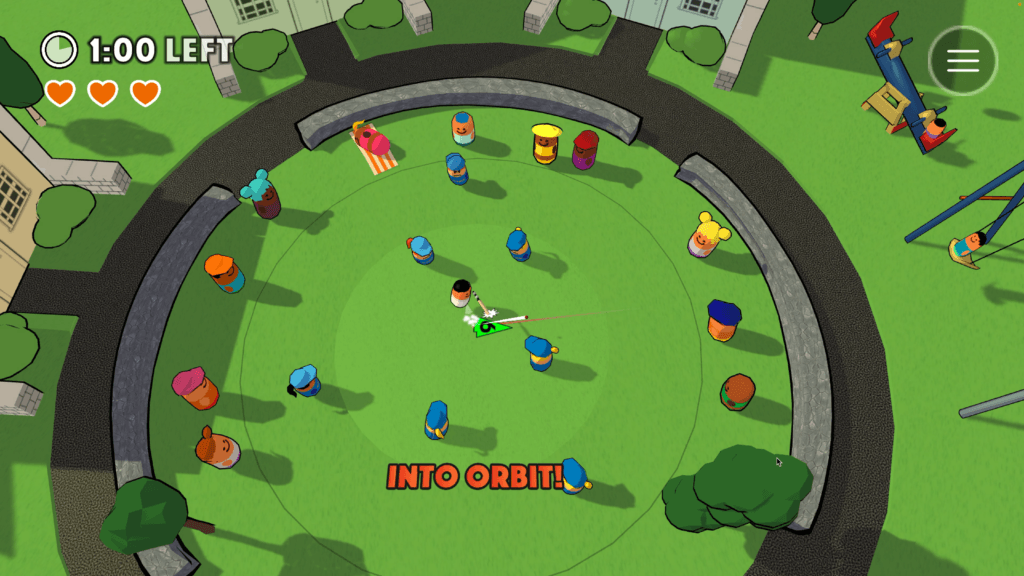
Coinciding with the festival, the developer rolled out new playable content through the active playtest. Fresh levels inspired by South Africa, New Zealand, and Pakistan were introduced, expanding the game’s world tour structure and reinforcing its core design philosophy: each country is defined not just by visual flair, but by rhythm. These additions joined previously confirmed locations including India, Australia, England, Sri Lanka, and Jamaica, forming a diverse and musically driven level lineup planned for the full release.
In Bat to the Beat, geography directly informs gameplay. Every region introduces its own musical language, with rhythms that dictate tempo, pressure, and player decision-making. Jamaica leans into laid-back but deceptive reggae beats, while India draws from syncopated, Bollywood-inspired grooves. Rather than serving as background ambiance, these tracks actively shape how the game is played, forcing players to internalize each beat before committing to action.
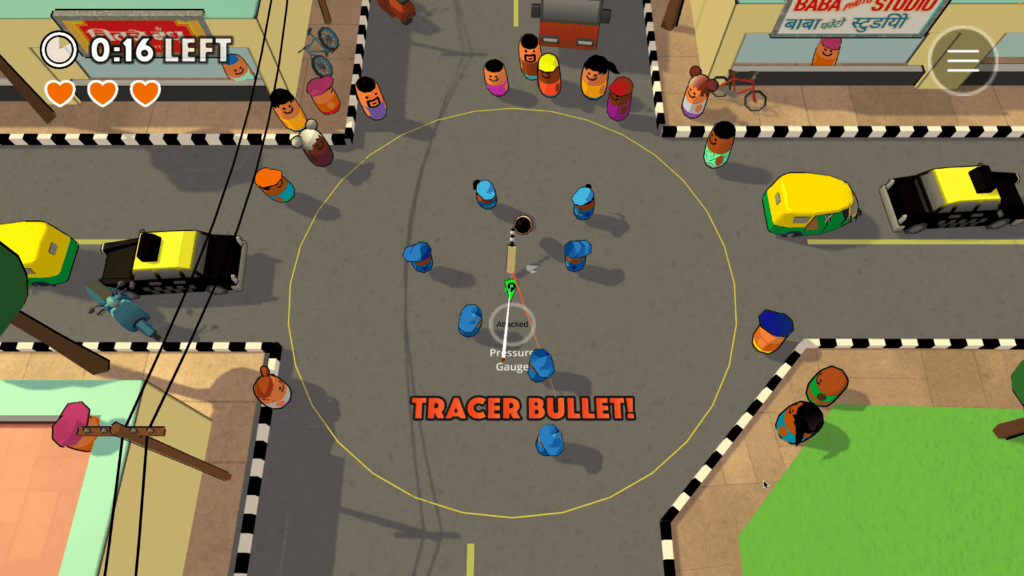
That action revolves around a deceptively simple but consistently tense mechanic. On every beat, players must choose whether to attack, risking a catch from the field, or defend, allowing pressure to mount. Attacking too early can end a run abruptly, while defending for too long intensifies the stakes and narrows the margin for error. The result is a loop that mirrors the psychological push and pull of batting, translated into rhythmic form. It is a system that rewards patience, timing, and nerve in equal measure.
The game’s influences are clearly communicated and thoughtfully applied. Bat to the Beat draws inspiration from Rhythm Heaven Fever, Crypt of the NecroDancer, and Super Hexagon, but it does not attempt to replicate them wholesale. Where those titles often emphasize pure rhythmic execution or survival, Bat to the Beat integrates rhythm into a recognizably sporting context, grounding its abstraction in the emotional cadence of cricket itself. The bat becomes an instrument, the pitch a stage, and each over a musical phrase.

From a production standpoint, the project has been deliberately scoped for accessibility. Developed in Unity, Bat to the Beat runs on relatively low system requirements across both Windows and macOS, making it viable on a wide range of PCs. Controller support is included, and the game features a fully original soundtrack designed specifically around its mechanics. One practical note highlighted during the playtest period is a recommendation against Bluetooth audio devices, as latency can interfere with rhythm accuracy, a small but important consideration for a game so dependent on precise timing.
Bat to the Beat is the work of Kunal Joshi, operating under the Baba Black Sheep Games banner. A veteran of early iOS game development, Joshi has long blended musical sensibilities with interactive design, and Bat to the Beat reflects that intersection clearly. Its solo-developed nature is evident in its focused scope and cohesive vision, standing in contrast to committee-driven sports titles built around annualized expectations.
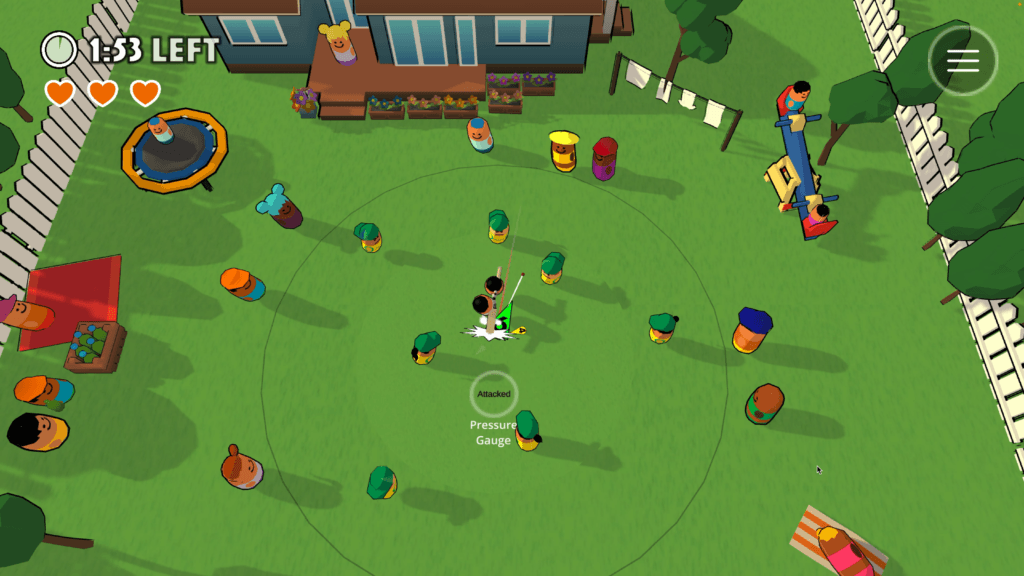
As Steam Sports Fest wrapped, Bat to the Beat emerged with increased visibility and a clearer sense of its audience. For players, the demo and playtest offered a compelling case for a cricket game that values feel over fidelity. For the developer, the festival functioned as an international showcase, placing a culturally rooted, rhythm-first concept in front of players who may never have sought out a cricket game otherwise.
Currently targeting an early 2026 release window, Bat to the Beat continues development with its expanded level roster and ongoing community feedback. Its Steam Sports Fest appearance may now be in the rearview mirror, but the impression it left is notable: sports games do not need to chase realism to capture competitive tension, and cricket, arguably one of the world’s most rhythmically charged sports, can thrive when its beats are taken seriously.
You can wishlist the game on Steam here.
About the Author