Avinash Rohra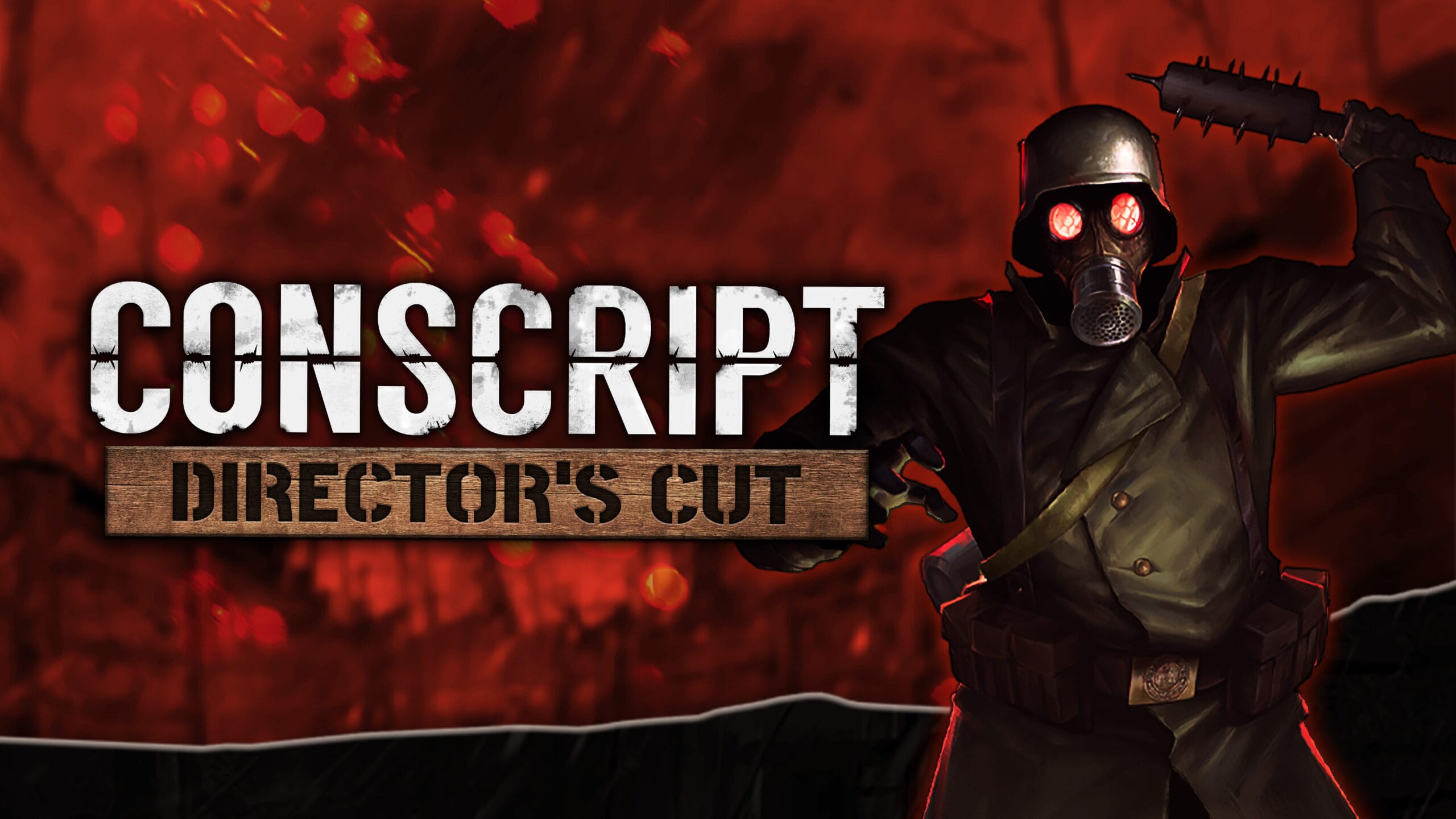
When CONSCRIPT first released, it stood apart not because it reinvented survival horror, but because of where and how it chose to situate its experience. Instead of haunted mansions or bio-engineered monstrosities, it placed the player in the mud, tunnels, and fractured geography of the First World War. Its horror was not supernatural, but historical, psychological, and procedural. Fear emerged from exhaustion, scarcity, and disorientation rather than spectacle.
The Director’s Cut does not attempt to rewrite that identity. Instead, it refines, clarifies, and at key points softens the friction that previously obscured the game’s narrative and thematic strengths. Having played both the original release and the Director’s Cut on PC, the difference is not one of vision, but of emphasis. The story is unchanged. The themes remain intact. What shifts is how clearly the player is allowed to engage with them.
A Narrative Built from Absence and Dislocation
At its core, CONSCRIPT tells a deliberately restrained story. You play as a French soldier separated from his unit during the Battle of Verdun, searching for his missing brother amid collapsing trenches, abandoned forts, and hostile no-man’s-land. This premise is established early and held consistently throughout. There are no sudden narrative pivots or late-game revelations designed to reframe the experience.
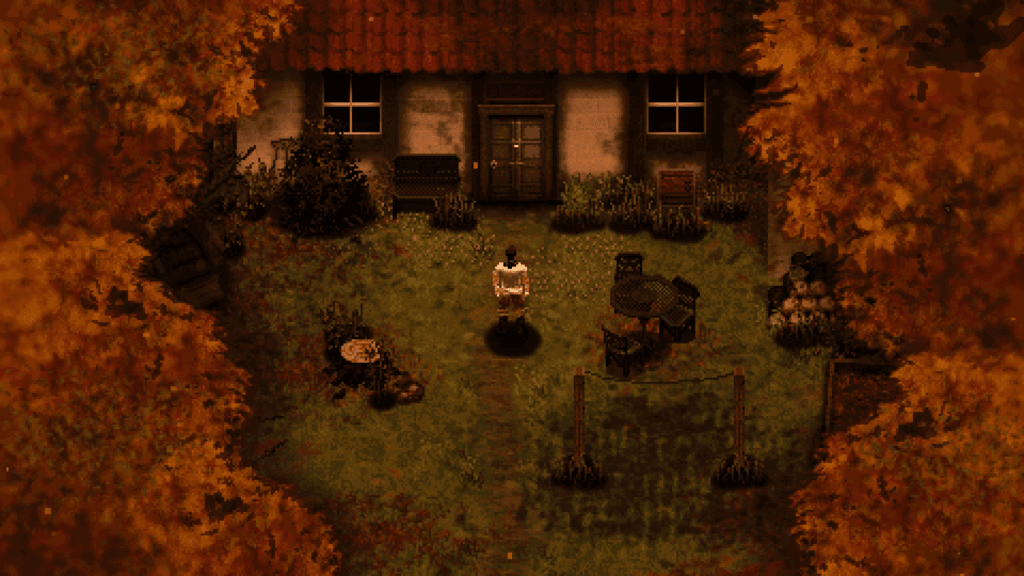
Instead, meaning accumulates gradually. Storytelling is delivered through environmental detail, brief written notes, sparse dialogue, and repetition. The player learns not through exposition, but through absence. Missing soldiers, deserted positions, and spaces that feel recently vacated yet emotionally cold.
This approach was already present in the original release. What the Director’s Cut improves are the conditions under which that story is absorbed. By addressing pacing issues and mechanical friction, it allows the narrative to breathe, rather than be continually interrupted by frustration.
War as an Administrative Nightmare
One of CONSCRIPT’s strongest thematic throughlines is its depiction of war as bureaucracy rather than heroism. Keys unlock doors, orders lead to dead ends, and progress is often circular instead of linear. Advancement rarely feels triumphant. It feels procedural.
This philosophy draws heavily from classic survival horror design, but the historical context gives it a different weight. Managing limited ammunition, medical supplies, and stamina mirrors the logistical reality of trench warfare. You are not fighting to win. You are fighting to remain functional.
In the original version, these systems could be punishing to the point of obscuring their thematic intent. Limited saves, sharp difficulty spikes, and unclear feedback loops sometimes made survival feel arbitrary. The Director’s Cut addresses this not by removing tension, but by giving players greater control over how that tension is experienced.
New difficulty and accessibility options allow the challenge to be tailored without undermining narrative intent. This is a crucial change. Scarcity and stress still define the experience, but they now serve the story more consistently instead of overwhelming it.
Horror Without the Supernatural
CONSCRIPT’s horror is grounded firmly in reality. There are no monsters in the traditional sense. Enemies are soldiers, afraid, aggressive, and human, and their behaviour is grounded rather than theatrical. Violence is sudden, blunt, and unglamorous.
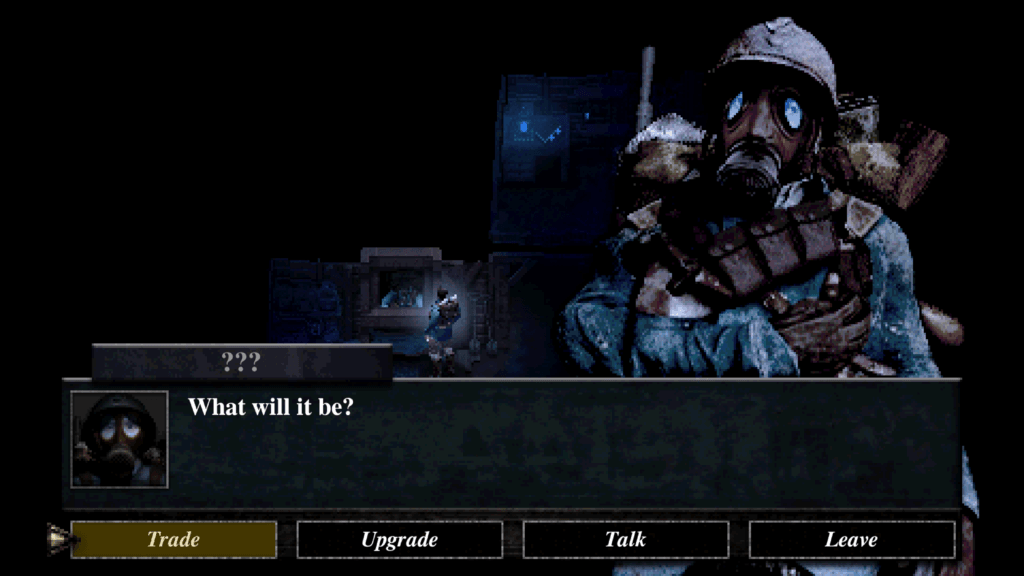
The Director’s Cut preserves this tone completely. There are no added visual flourishes or dramatic recontextualisations. Instead, subtle refinements to enemy behaviour and combat pacing make encounters feel less erratic and more readable. This clarity strengthens the horror rather than diminishing it.
Fear in CONSCRIPT comes from anticipation and fatigue. From not knowing whether the next room holds supplies or a dead end. From backtracking through spaces that have already drained you once. These elements remain unchanged, but they are better supported through improvements to controls, responsiveness, and balance.
Writing Through Environment
The written elements of CONSCRIPT are sparse but deliberate. Notes, orders, and brief journal fragments offer glimpses into lives disrupted or erased by the war. None are lengthy. None explain themselves. They function as fragments, much like the environments they occupy.
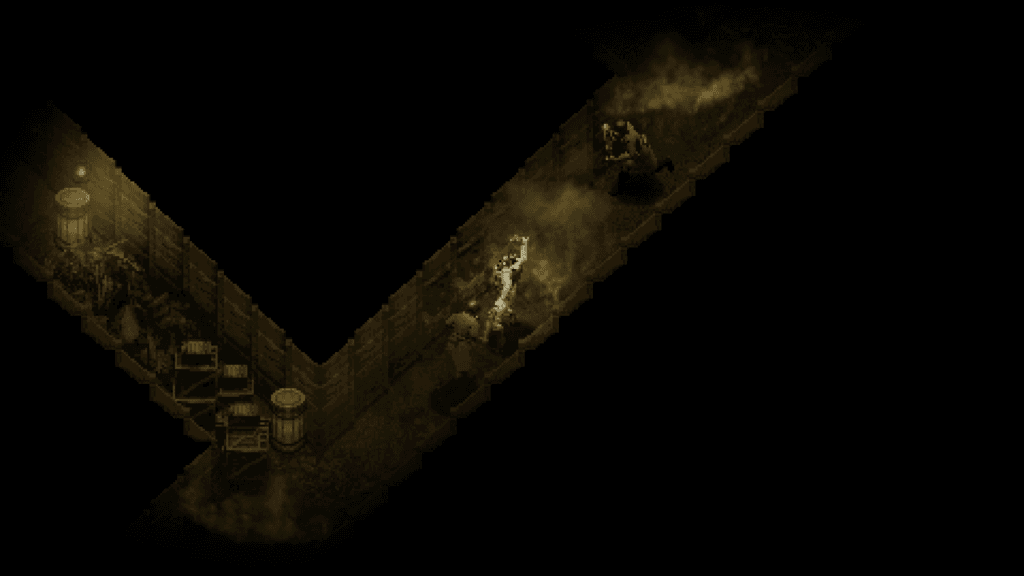
In the original release, it was easy to miss or rush through these details due to pressure from survival systems. The Director’s Cut subtly alleviates this by smoothing progression and reducing unnecessary repetition, giving players more room to observe, read, and reflect.
Importantly, the game never moralises overtly. There is no explicit condemnation or glorification of war through dialogue. Meaning is conveyed through accumulation. Repeated loss, futile objectives, and the quiet normalisation of violence.
Pre vs Post Director’s Cut: What Actually Changed
From a practical standpoint, the Director’s Cut introduces quality-of-life improvements, balance adjustments, and additional accessibility options rather than new narrative content. Enemy placement and item distribution have been revised to reduce extreme bottlenecks. Combat encounters are more consistent in difficulty. Save systems are more accommodating.
None of these changes alter the story or its themes. What they change is interpretability. The original release demanded near-constant mechanical attention, sometimes at the expense of narrative absorption. The Director’s Cut lowers that barrier, making the experience more legible without rendering it trivial.
This distinction is particularly important for a game whose power lies in atmosphere and pacing rather than plot twists.
Visual and Audio Consistency
Visually, CONSCRIPT retains its stark, top-down presentation. The art style remains unchanged. Muted colour palettes, heavy shadowing, and environments that feel claustrophobic even when technically open. While the Director’s Cut does not introduce graphical upgrades, performance and stability improvements make the experience smoother overall.
Sound design remains one of the game’s most effective tools. Distant explosions, echoing footsteps, and abrupt gunfire reinforce the sense of constant threat. Music is used sparingly, allowing ambient noise to dominate. These elements were strong in the original release and remain so here.
A More Accessible, Not More Comfortable, Experience
Accessibility should not be confused with comfort. The Director’s Cut does not make CONSCRIPT pleasant. It remains bleak, tense, and emotionally draining. What it does is reduce unnecessary opacity and respect the player’s time and attention more consistently.
That distinction matters. CONSCRIPT works best when frustration feels thematic rather than mechanical. The Director’s Cut aligns those two more closely.
Final Thoughts
Final Score: 4.5/5
CONSCRIPT: Director’s Cut represents the version of the game that most clearly communicates its intent. The narrative is unchanged, but it is more audible. The themes are the same, but they land with greater precision.
This is still a demanding experience, both emotionally and mechanically. It asks the player to engage with war not as spectacle, but as erosion, of identity, certainty, and hope. The Director’s Cut does not dilute that vision. It sharpens it.
For players who bounced off the original due to friction rather than discomfort, this update makes a meaningful difference. For newcomers, it is the definitive way to experience one of the most thematically coherent survival horror games in recent years.
A refined and more readable version of a grim, deliberate work, one that understands that horror, like war, is often felt most strongly in the spaces between action.
This review is based on the PC (Steam) version, with the code provided by the game’s publishers.
About The Author