Anima: Gate of Memories I & II Remastered Review – Two RPGs, One Sharper Experience
 Avinash Rohra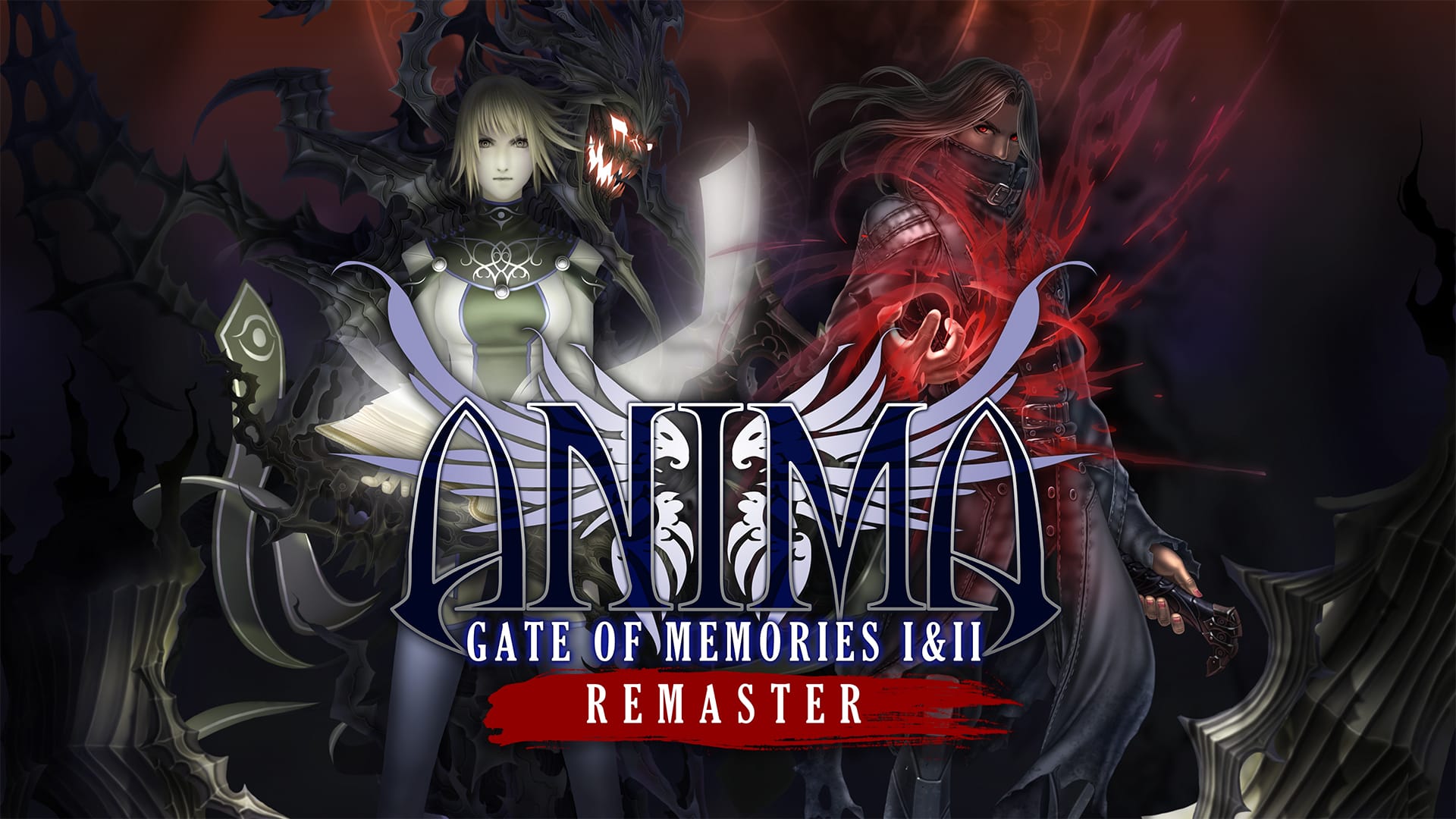
I approached Anima: Gate of Memories – I & II Remastered with a mix of curiosity and guarded hope. I spent roughly 30 hours across both games on PC, switching between keyboard and mouse and an Xbox controller, writing notes after key fights and story beats. The remaster is not a flashy, ground-up overhaul; rather, it is a careful reweaving of two ambitious action RPGs from the Spanish studio Anima Project. The result is an experience that rarely astonishes but often delights, a game that wears its influences plainly yet finds memorable ways to stitch them together.
First impressions and initial doubts
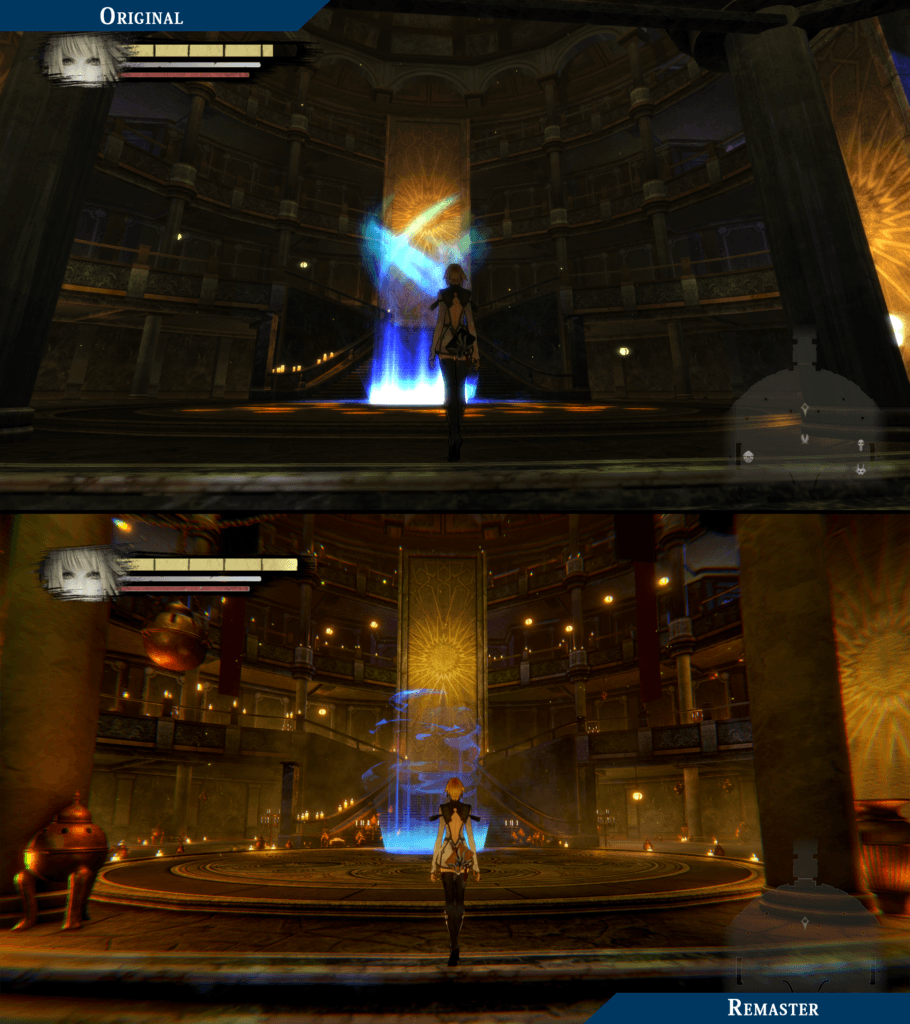
On first boot, the remaster’s cosmetic changes are subtle. Textures are cleaned up, UI elements feel more contemporary, and a few camera and lock-on tweaks smooth clunky corners that plagued the originals. Still, my skepticism was simple: could a pair of niche, lore-heavy titles salvage themselves from inconsistent design and narrative excess? Gate of Memories always teetered between ambitious mythology and unwieldy execution. The risk with remasters like this is polishing a rough gem only to reveal, with sharper clarity, the cracks beneath.
My concerns extended to pacing and tone. Both I and II lean heavily on dense exposition and lengthy cutscenes; the original games sometimes treated worldbuilding as a floodlight instead of a carefully placed lamp. There is also a combat identity problem. The mechanics borrow from action RPG archetypes but struggle at times to cohere into a single, compelling loop. A polished coat of paint would be welcome, but I worried it would not be enough to alter the underlying structural issues.
When the pieces click
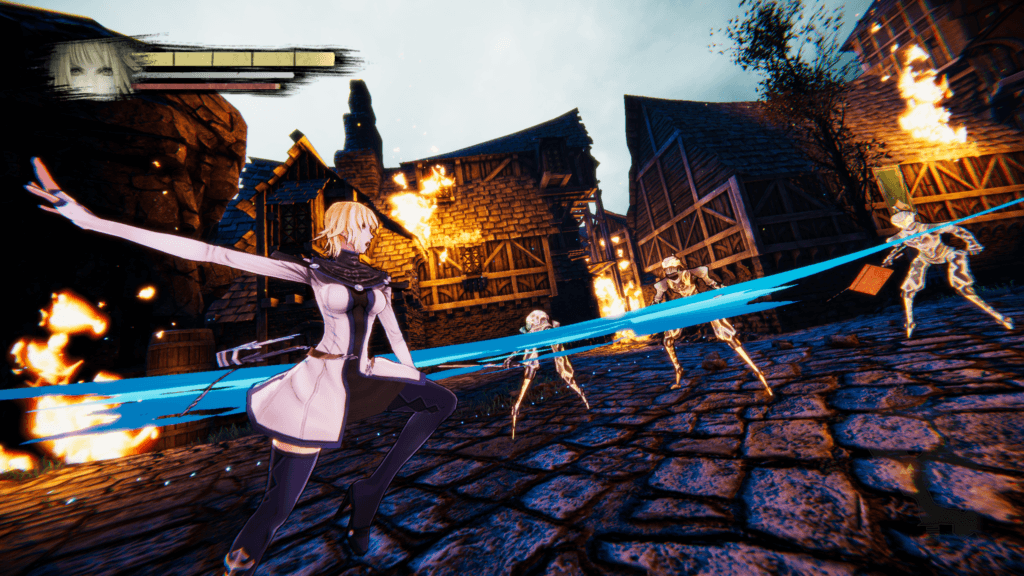
Those worries began to dissipate around the mid-game of the first title. The remaster’s quality-of-life changes, such as faster load times, clearer HUD prompts, and improved camera smoothing, are small but compound into a more confident rhythm. Combat feels tighter: dodges have less lag, combos link more predictably, and enemy telegraphs are clearer. The developers leaned into what worked, including tactical parries, weapon variety, and character-specific abilities, and subtly tuned what did not. Encounters that once felt like frustrating damage sponges now reward timing and positioning.
Narratively, the pair of games shift from myth-heavy prologue to unexpected intimacy. When the writing stops trying to be encyclopedic and lets characters breathe, Gate of Memories reveals a quieter, emotionally precise core. There are moments, such as a brief reunion or a betrayed confidant’s confession, that land hard because the remaster preserves performance nuances and tightens dialogue pacing. The craftsmanship is not showy; it is meticulous, and that restraint turns slow-burning exposition into atmosphere rather than a slog.
Narrative and themes
At their best, the two games explore identity, memory, and what we choose to keep when every truth is a liability. The storytelling owes a debt to high-fantasy epics, with sprawling lineages, apocalyptic portents, and cosmic bargains, but it is most effective when it narrows to the personal. Themes of forgetfulness and the ethics of knowledge recur in ways that reward patient players. The remaster helps by reducing interruptions and making optional lore less intrusive; you can pursue tangents without them derailing momentum.

There are structural missteps. The second game sometimes rehashes beats from the first without adding fresh insight, and a couple of plot reversals land as convenient rather than earned. Still, the emotional payoff sequences, particularly a late-game scene that reframes a character’s lifelong choices, feel thoughtfully staged. When the story chooses to pose uncomfortable questions rather than provide tidy answers, the series punches above its weight.
Gameplay and design
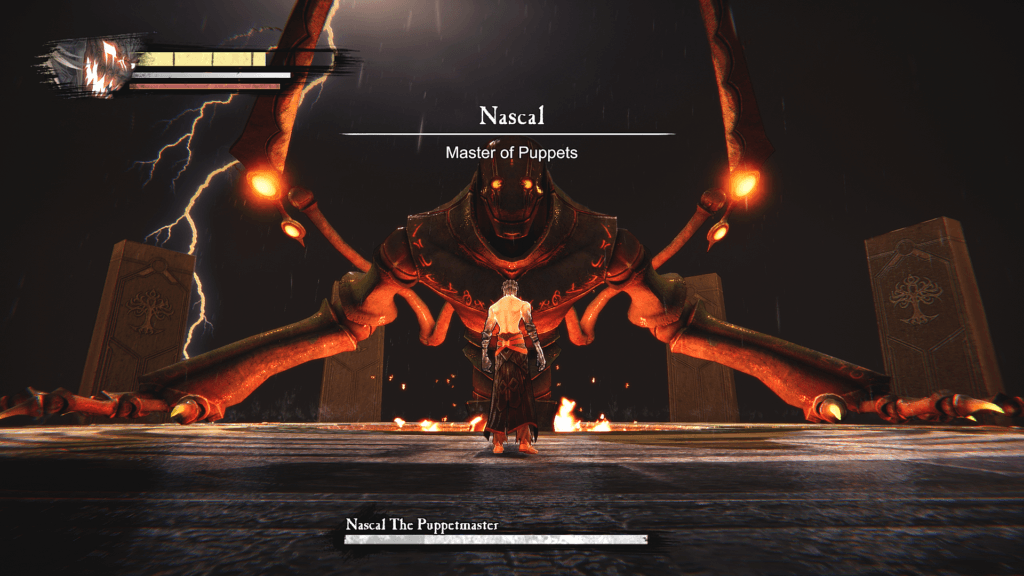
Mechanically, Anima balances two poles: accessible action and RPG customization. The remaster refines core loops, including light and heavy attacks, dodge and parry windows, and ability loadouts, while leaving the broader systems intact. Character builds are rewarding; stat distribution and equipment choices meaningfully alter how encounters resolve. Boss fights, once a test of patience, now hinge on reading patterns and exploiting openings rather than blind endurance.
Level design remains a mixed bag. Several areas impress with environmental storytelling and cleverly interlocked shortcuts, while other zones feel padded with fetch objectives and repetitive enemy placements. That said, exploration is worthwhile. Side quests often reveal character beats and world texture that the main plot does not have time to explore. Difficulty tuning is sensible: the game challenges without being punitive, and optional encounters provide a satisfying curve for players seeking extra bite.
Accessibility options are improved in the remaster. Clearer subtitles, scalable UI, and controller remapping make the game friendlier overall. A handful of combat animations still obscure hitboxes at times, and pathfinding for companion NPCs can be awkward in crowded arenas, but these are minor quibbles against an otherwise confident mechanical core.
Art and music
Anima’s aesthetic is earnest and distinctive. The remaster sharpens character models and textures, but it is the art direction, with its gothic silhouettes, moonlit altars, and weary armor, that gives the game its soul. Backgrounds are richly composed, and even when polygon counts are modest, the silhouette work and color palettes convey mood effectively.
The soundtrack is a highlight. Orchestral swells, mournful choral passages, and quieter acoustic pieces support tonal shifts without overplaying emotion. Audio design in combat, from the clang of steel to muted grunts and the whoosh of a well-timed parry, is satisfyingly tactile. Together, visuals and music lift scenes beyond their mechanical sum and make exploration feel cinematic.
If you are tracing lineage, Anima sits between Soulslike action RPGs and narrative-driven ARPGs. On one axis, it recalls games like Nioh and Dark Souls; on the other, story-first titles such as Dragon Age. It borrows the combat cadence of action-heavy games while attempting a denser, lore-rich narrative more common to Western RPGs. That hybrid identity is both its greatest strength and its occasional curse. It can frustrate players expecting laser-focused combat or a lean, streamlined narrative. Compared to its peers, Anima trades technical finesse for ambition, and more often than not, that gamble pays off.
On a modern PC, the remaster is generally stable. Performance is smooth on mid-range hardware with a few caveats: texture streaming spikes occasionally in large hub areas, and a rare crash occurred when switching resolutions. The UI changes are meaningful and reflect attention to usability. Overall, technical issues are minor and do little to interfere with the central experience.
Replayability and value
There is genuine replay value here. Multiple character builds, branching choices, and optional content invite at least one additional playthrough with a different focus. For owners of the originals, the remaster’s polish and bundled content make a convincing case for revisiting the series. Newcomers will find a package priced reasonably for several dozen hours of content.
Pros
- Tightened combat that rewards timing and build diversity.
- Rich, atmospheric art and a strong, emotive soundtrack.
- Meaningful lore and thematic depth when players engage with it.
- Improved quality of life, accessibility, and performance in the remaster.
Cons
- Occasional narrative bloat and recycled plot beats.
- Level design inconsistencies and some filler-heavy zones.
Final thoughts
Score: 4 / 5
Anima: Gate of Memories – I & II Remastered is not a revolution; it is a thoughtful refinement. The remaster amplifies the series’ strengths, including mood, music, and a curious mix of action and storytelling, while addressing long-standing friction points. For players willing to meet it halfway, the games offer a resonant, occasionally brilliant experience that rewards patience and curiosity. If you favor atmospheric worlds, strategic action, and stories that ask more questions than they answer, this remaster deserves a place on your shelf.
This review is based on the PC (Steam) version, with the code provided by the game’s developers.
About the Author