Avinash Rohra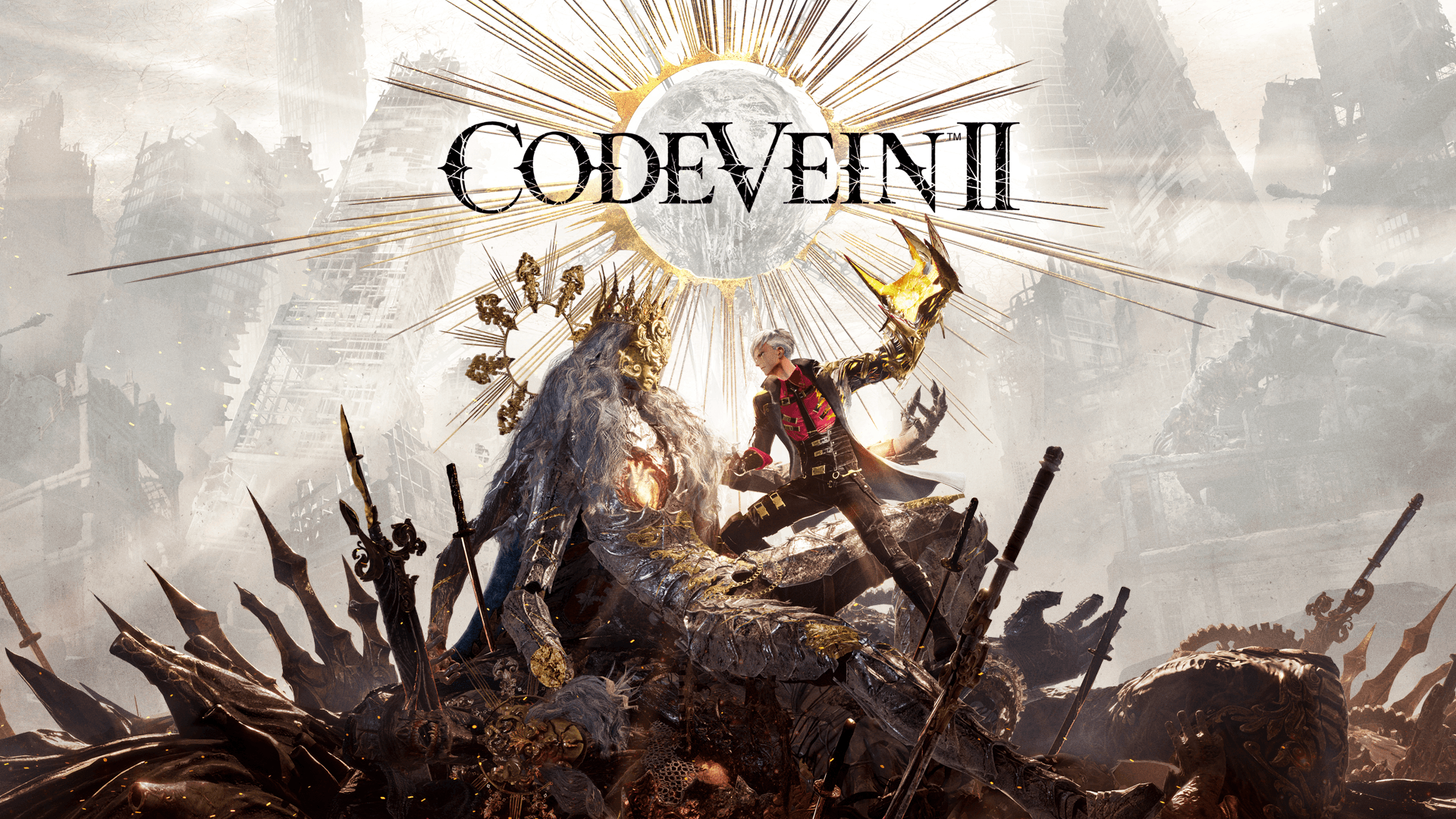
Even before writing this review, I had already poured dozens of hours into Code Vein II, not out of obligation, but because the game consistently invited me to lose myself in its systems, characters, and world. This was not a drive-by experience. I tested multiple builds, replayed major encounters, pushed deep into side quests, and paid close attention to the nuances of its narrative structure and mechanical progression. My appreciation did not come easily. By the end, however, I was fully convinced: Code Vein II is a worthy sequel that confidently carves out its own space within the action RPG genre.
A Sequel Met with Skepticism
My relationship with Code Vein II began cautiously. The original game, while compelling, struggled with technical issues and uneven pacing. This sequel promised a more open world, expanded weapon systems, and a deeper emotional narrative. Still, I wondered whether the anime-inspired presentation, exaggerated combat, and trope-heavy storytelling would eventually wear thin. The removal of online co-op also raised concerns. Would the experience feel hollow without it?
Despite these doubts, the ambition of the concept was hard to ignore. A vampire-tinged soulslike centered on bonds, memory, and time travel was intriguing enough that I had to see how it all came together.
The Moment Combat Finds Its Rhythm
The turning point arrived during an early boss encounter. After landing a perfectly timed drain attack and chaining it into a devastating Formae skill, something clicked. This game understands rhythm. Combat in Code Vein II moves with a deliberate cadence: strike, drain, charge, unleash. Every enemy feels like a puzzle, and every fight like a controlled performance.
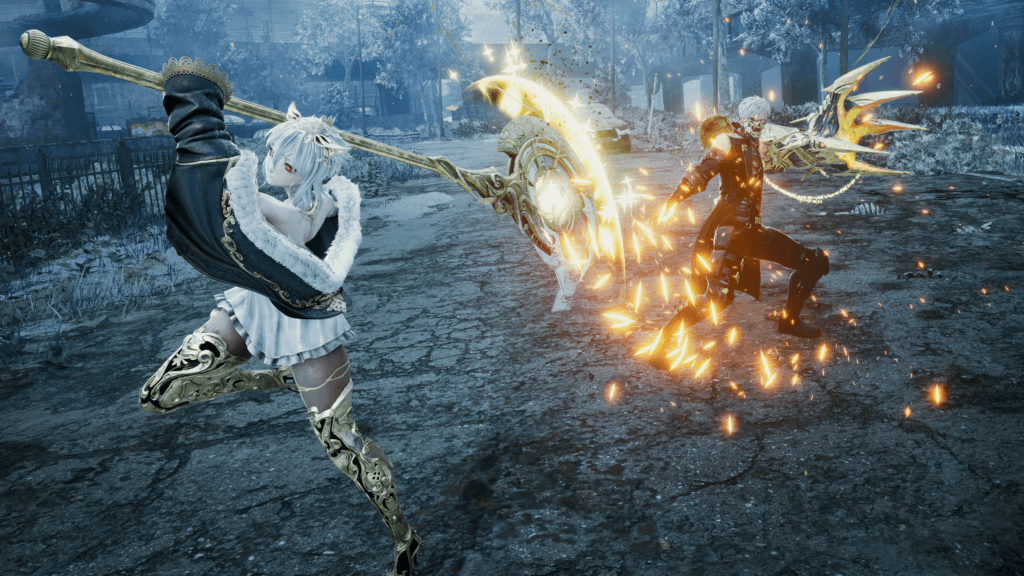
That sense of confidence comes from thoughtful mechanical design. The Formae system, which ties special attacks to weapons, introduces meaningful variety, while Ichor management keeps encounters tactical. Learning when to spend or regenerate Ichor becomes a satisfying loop. Blood Codes, which define your combat role, can be swapped mid-run, ensuring you are never locked into a single build. Switching from ranged caster to heavy tank on the fly is not only possible, but effective.
The addition of Jails, powerful weapons with one-time effects that restore Ichor, adds yet another tactical layer. When combined with the ability to carry and swap between two Formae weapons during combat, experimentation is constantly encouraged.
Perhaps the most unexpected strength is the AI companion system. Rather than feeling like a burden, your partner actively contributes by drawing aggro, healing, tanking, and dealing meaningful damage. These companions have distinct personalities and tactical roles, and on more than one occasion, they carried me through encounters that felt otherwise unwinnable.
An Earnest Tale of Bonds, Guilt, and Choice
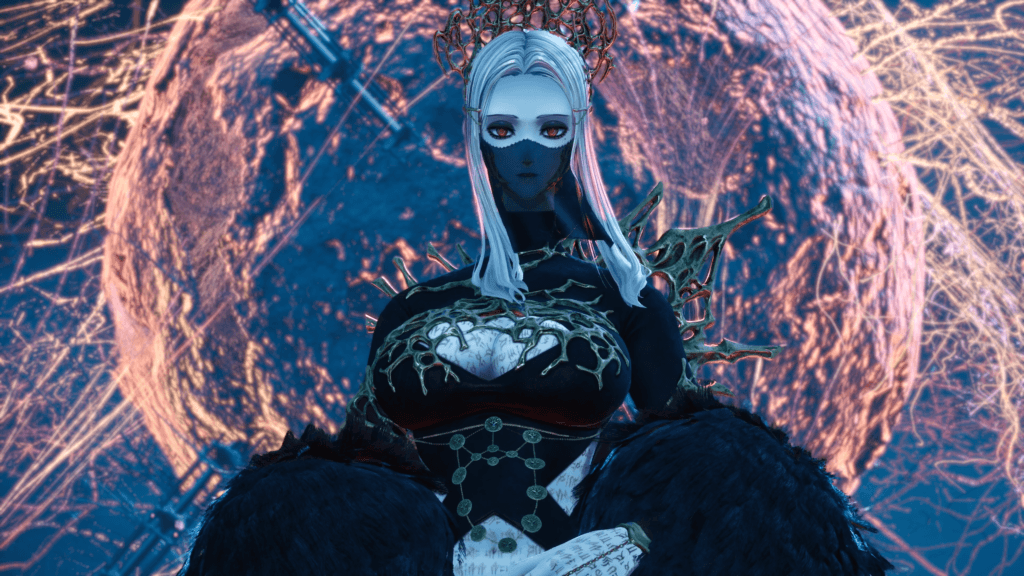
Code Vein II embraces melodrama, but it earns its emotional weight. Set in a world devastated by the Resurgence, a cataclysm that fractured reality itself, you play as a Revenant Hunter who travels 100 years into the past alongside your companion, Lou. Your mission is to locate five legendary heroes and alter the course of a broken future.
Each chapter centers on one of these figures. You fight alongside them in the past, learn their regrets and inner conflicts, and later confront their corrupted present forms. This structure works remarkably well, offering both narrative depth and gameplay variety.
What surprised me most was how grounded the emotional arcs felt. The characters may be stylized anime warriors, but their struggles with grief, sacrifice, guilt, and redemption resonate. Lou’s progression from a distant guide to an emotionally invested partner anchors the story and gives the journey cohesion.
The game’s core theme, choice versus destiny, runs quietly through every encounter. Are you truly saving the future, or merely reshaping it into another flawed outcome? Code Vein II trusts the player to reflect on these questions rather than spelling them out. By the final chapters, I found myself genuinely invested in how everything would resolve.
A World That Rewards Curiosity
Where its predecessor leaned toward linearity, Code Vein II opens into interconnected regions that can be explored on foot or by motorcycle. Along the way, you uncover shortcuts, collectibles, hidden bosses, and optional encounters. The semi-open structure encourages detours, and curiosity is frequently rewarded.
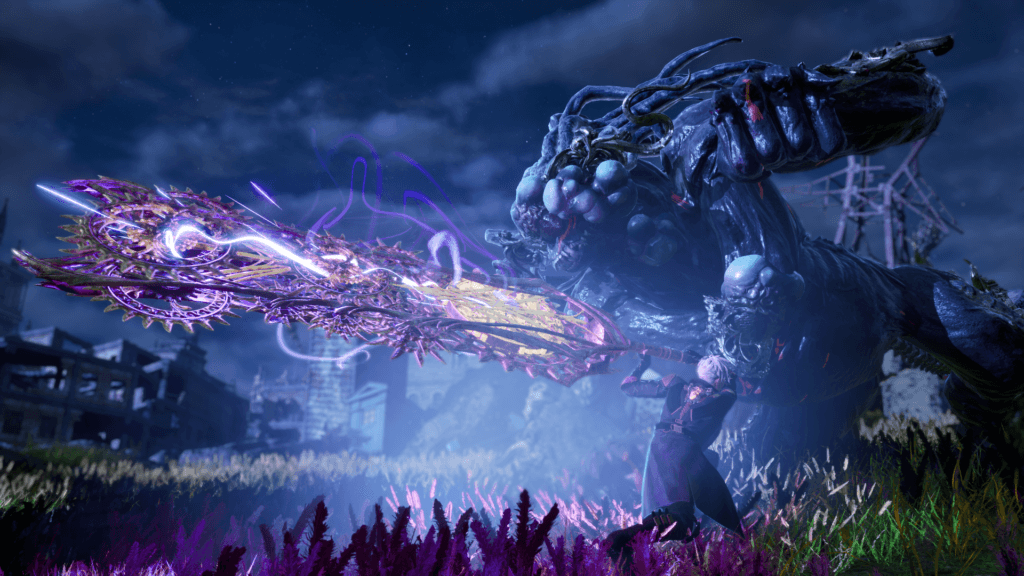
Environmental variety is a major strength. Poisonous swamps, ruined urban centers, overgrown temples, and sunken libraries each feel distinct. Verticality plays a significant role, with layered environments, hidden ledges, and intentional drops that invite exploration.
While main bosses are consistently memorable, some side dungeons suffer from repeated enemy types and visual themes. Not every area reaches the same level of polish. Even so, the world never feels static. There is always something just out of sight, whether a hidden passage, a risky descent, or a memory fragment that expands the lore.
A Bold Aesthetic That Serves the Experience
Code Vein II fully commits to its visual identity. Anime gothic blends with post-apocalyptic fantasy, resulting in sharp character designs, ornate weapons, and luminous blood effects. The style may be divisive, but it aligns perfectly with the game’s tone. Environments feel both decayed and mystical, while enemy designs range from grotesque horrors to towering, ethereal beings.
The soundtrack, mixing orchestral swells with ambient textures, enhances both combat and quieter moments. Boss fights are punctuated by emotional crescendos, while exploration is underscored by reflective, restrained themes. Voice acting, in both English and Japanese, is consistently strong, lending weight to even the more dramatic lines.

Photo Mode on PC deserves special mention. I spent far more time than expected capturing cathedral ruins and neon-soaked cityscapes. The game clearly wants to be admired, and it succeeds.
Performance and Interface Considerations
On PC, performance is generally solid, though not flawless. The game looks excellent at high settings, but certain zones introduce frame drops and noticeable pop-in. I experienced minor stutters during particularly chaotic fights and occasional UI lag when navigating menus. These issues rarely disrupted gameplay, but they are present.
The user interface is functional but dense. With numerous systems to track, including Ichor efficiency, Formae slots, and resistance values, it can feel overwhelming at first. Clear tutorials and detailed tooltips help mitigate this, and the depth of customization ultimately justifies the complexity.
Load times were short on SSD, and I encountered no crashes throughout my playthrough. The PC version is polished overall, though post-launch updates could further refine performance.
Depth Beyond the Credits
A typical playthrough of Code Vein II lasts between 30 and 45 hours, depending on exploration and side content. Multiple endings, optional dungeons, and unlockable builds add strong replay value. New Game Plus retains most progression, and experimenting with different companions or class combinations keeps subsequent runs engaging.
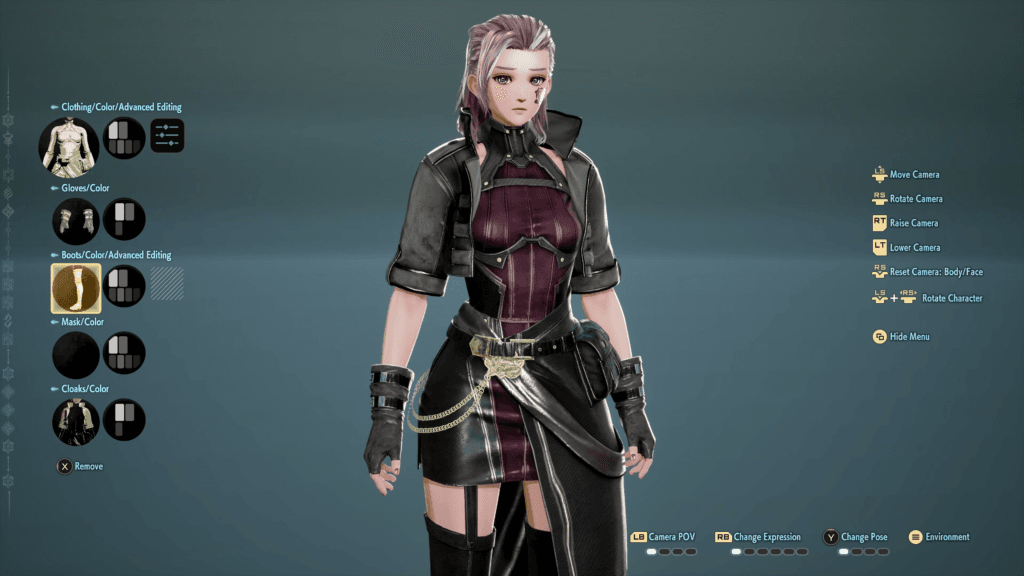
Character customization is another standout feature. From detailed visual options to stat-focused gear combinations, the game encourages personal expression. Experimentation is rarely punished, making it easy to refine or completely reinvent your build.
Final Verdict
Code Vein II improves upon its predecessor in nearly every meaningful way. Combat is more refined, the world is broader and more inviting, and the narrative, while unapologetically stylized, delivers genuine emotional impact. It does not reinvent the action RPG formula, but it does not need to. It understands its identity and commits to it fully.
For fans of soulslikes seeking a more narrative-driven experience, or JRPG players looking for challenge and mechanical depth, Code Vein II delivers. It demands your time and attention, but it rewards both generously.
Score: 4.5 / 5
Pros:
- Deep and flexible combat system
- Emotionally resonant story with strong character arcs
- Striking world design and cohesive aesthetic
- Extensive customization and build variety
Cons:
- Occasional frame drops and minor stutters
- Some repetitive dungeon layouts
- Dense UI that may overwhelm newcomers
- Lack of online co-op may disappoint returning players
This review is based on the Steam version, with a code provided by the game’s publishers.
About the Author