Avinash Rohra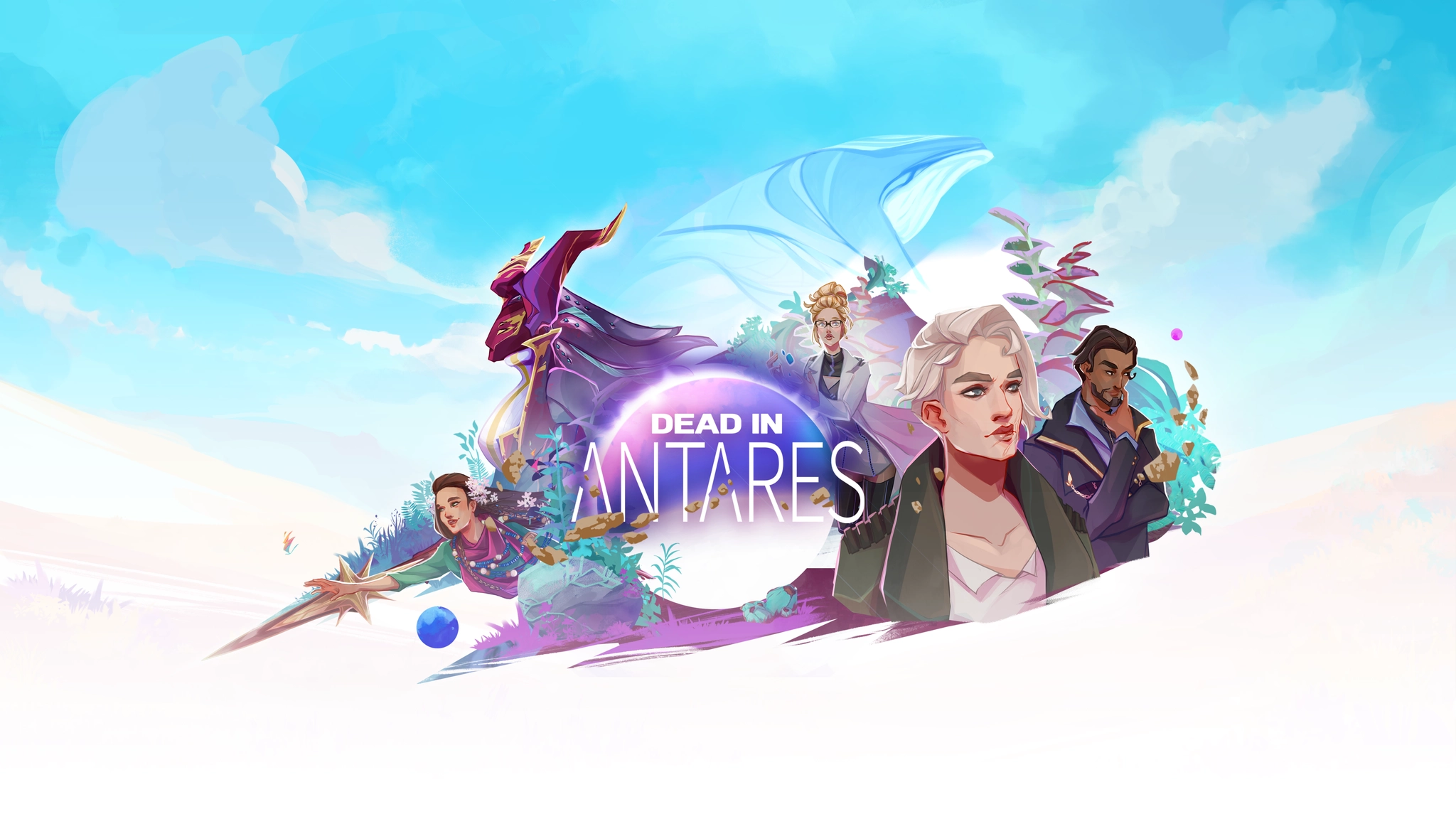
Dead in Antares is not a game that grabs you with flashy violence or instant spectacle. Instead, it unfolds methodically, layering survival systems, RPG progression, and tactical combat into something far more deliberate. Developed by Ishtar Games and published by Nacon, this turn-based survival management game with RPG elements places you in command of ten specialists stranded on Antares Prime after a catastrophic wormhole incident.
Humanity is dying. These ten are its last hope. But once their ship crashes on an unknown world, hope becomes secondary to survival.
A Survival Game That Thinks Like a Systems Puzzle
At its core, Dead in Antares is a survival management puzzle disguised as a narrative sci-fi drama. Each in-game day demands careful task allocation. Who gathers food. Who researches new technologies. Who repairs infrastructure. Who rests. Who risks an expedition into hostile territory.
The brilliance lies in how interconnected everything is. Food shortages affect stamina. Low stamina increases stress. Stress damages morale. Morale reduces efficiency. Efficiency loss slows research and production. Small mistakes cascade forward.
There is no wasted mechanic here. Every system feeds another.
The pacing is deliberate. You are never rushing. Instead, you are calculating. The tension doesn’t come from explosions or sudden threats. It comes from watching meters drift toward instability and knowing you may not have the manpower to fix all of them at once.
Tactical Combat That Complements Survival
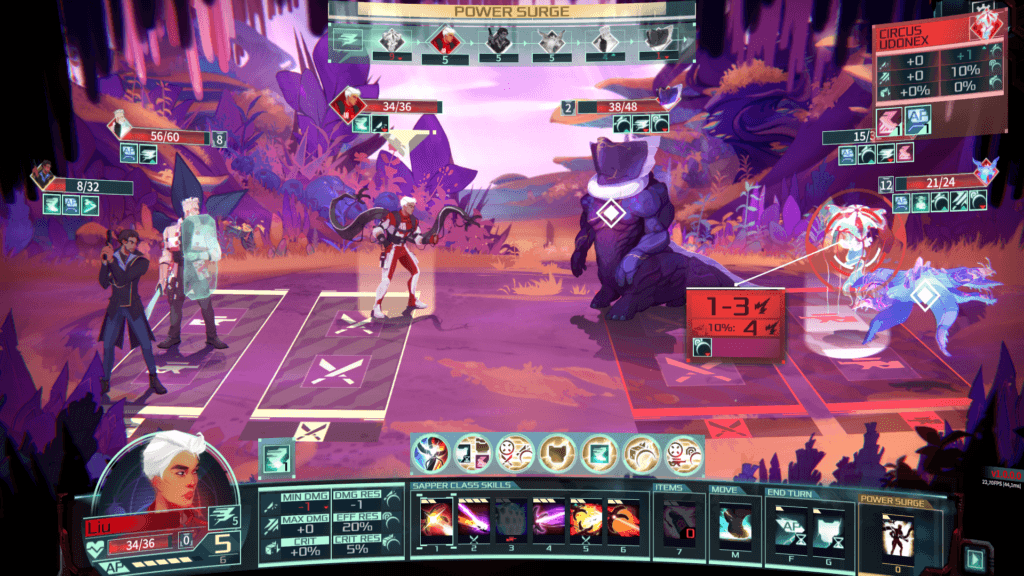
While survival management dominates the experience, combat plays a meaningful supporting role. Exploration leads to turn-based tactical encounters where positioning, skill usage, and preparation matter.
Combat is not constant, nor is it spectacle-driven. It functions as consequence. Poorly prepared crews struggle. Well-developed characters with synergized abilities feel capable but never overpowered. The Power Surge mechanic, unique ultimate skills tied to each character, adds strategic spikes without breaking balance.
Battles feel like stress tests for your long-term planning rather than detached action sequences. Injuries, fatigue, and morale shifts feed back into the base simulation. Combat reinforces survival rather than interrupting it.
Ten Specialists, Not Ten Stat Sheets
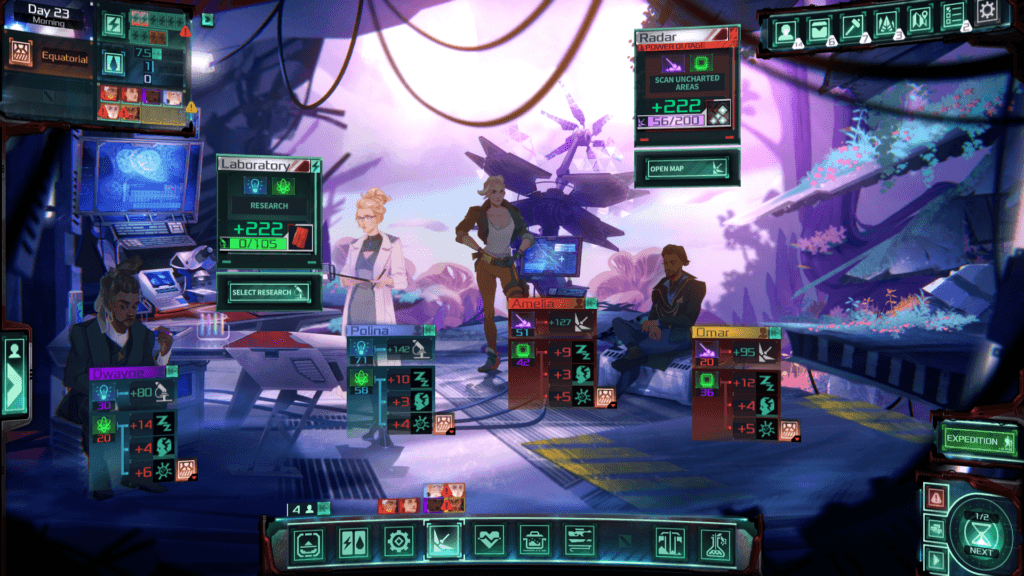
One of the game’s strongest qualities is how it treats its cast. The ten playable characters are not interchangeable workers. Each has traits, strengths, weaknesses, and personal histories that influence how they perform and interact.
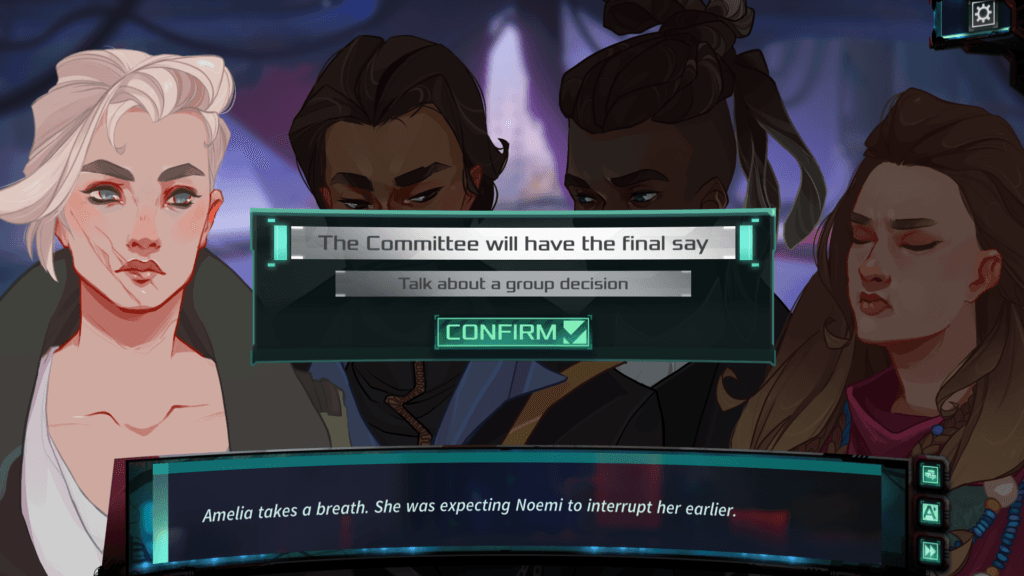
Relationships matter. Pairing characters unlocks unique dialogue exchanges. Bonds form. Tensions surface. Psychological strain affects productivity. Over time, the crew begins to feel less like numbers and more like fragile human beings under extraordinary pressure.
The RPG progression system deepens this attachment. Traits, levels, and skill development allow characters to evolve in response to your decisions. Growth feels earned rather than automatic.
And when someone struggles because of your mismanagement, it feels personal.
A Planet That Is Beautiful and Hostile
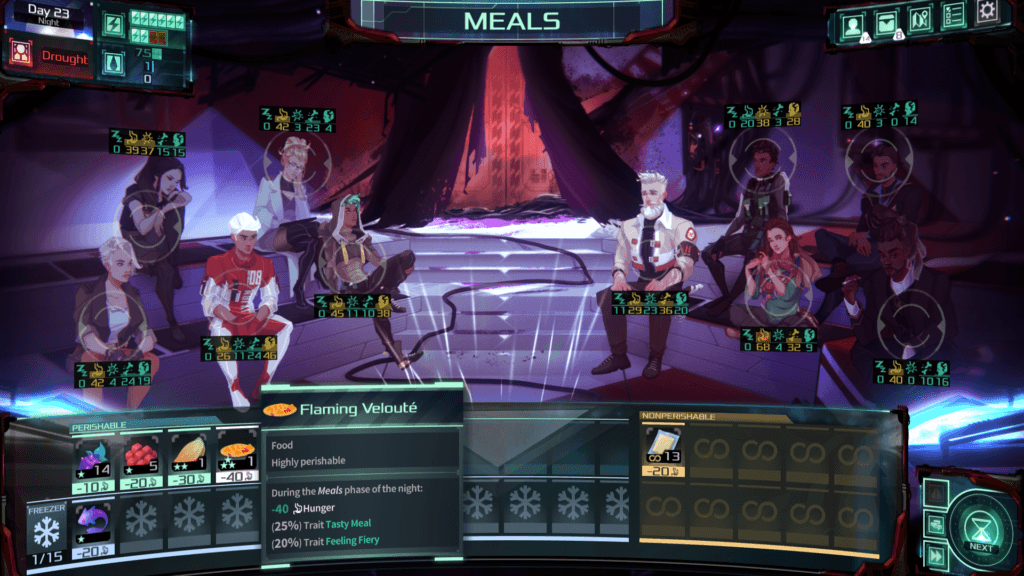
Visually, Dead in Antares embraces hand-drawn 2D art that gives Antares Prime a distinctive identity. Lush jungles pulse with life. Volcanic deserts radiate danger. Crystal forests shimmer with mystery.
The environments are striking without being overwhelming. They serve as backdrop to survival rather than distraction from it.
The interface leans toward clarity. With so many interconnected systems, readability is essential. While new players may initially feel inundated by information, the layout eventually reveals itself to be purposeful and efficient.
Atmosphere plays a quiet but important role. The world feels isolated. Remote. Slightly uncanny.
Complexity as Both Strength and Barrier
This is not an entry-level strategy game. The learning curve is steep. Early hours can feel punishing. Resource bottlenecks appear suddenly if you miscalculate. Combat pacing may feel slower than players accustomed to more explosive tactical systems.
But that complexity is also where the game thrives.
Once you understand how the systems interlock, the experience transforms. It becomes less about reacting and more about anticipating. Less about damage control and more about long-term stability.
For players willing to invest the time, mastery feels deeply satisfying.
Factions, Choices, and Consequences
Beyond survival, Antares Prime hides a larger narrative. Two factions, one native to the planet and another descended from ancient crash survivors, are locked in generational conflict. Interactions with them shape outcomes.
Your decisions ripple outward. Friendships form. Rivalries deepen. Alliances shift. The story branches toward multiple endings based on your choices and crew state.
Survival is only part of the equation. Resolution is another.
Final Verdict – Survival Is Strategy Under Pressure
Dead in Antares succeeds because it trusts its systems. It does not rush you. It does not over-explain itself. It asks you to think, to plan, and to care.
The survival management is deep and demanding. Tactical combat enhances rather than overshadows. Character dynamics add emotional weight. The alien world intrigues without overpowering.
It will not satisfy players seeking immediate action or simplified mechanics. But for patient strategists who enjoy layered decision-making and meaningful consequences, it delivers one of the more thoughtful survival experiences in recent memory.
Final Score: 4.2/5
A slow-burn survival strategy that rewards foresight, punishes carelessness, and proves that leadership under pressure is the ultimate challenge.
This review is based on the Steam version, with a code provided by the game’s publishers.
About the Author