Duck Detective: The Ghost of Glamping Review – A surprisingly human heart.
 Avinash Rohra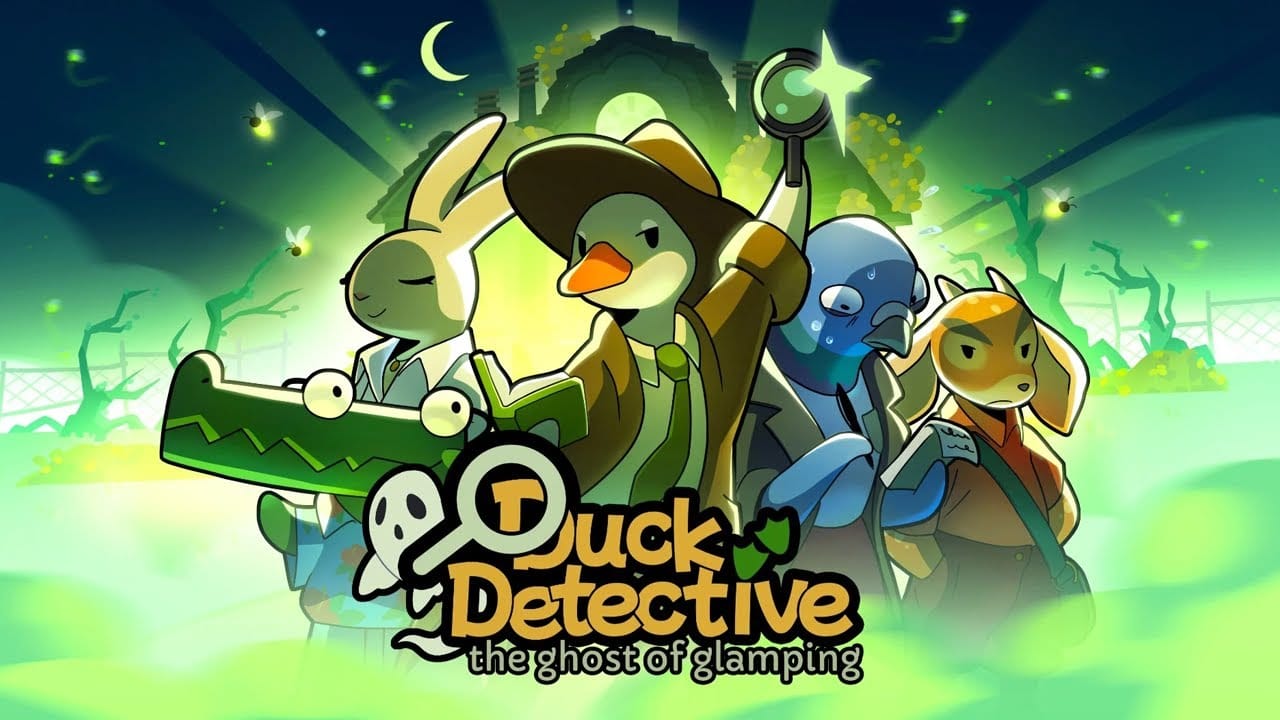
There is a quiet confidence to Duck Detective: The Ghost of Glamping that is immediately disarming. This is a game that knows its limits, embraces them, and never once feels the need to apologise for its size. I played it on PC across a handful of relaxed sessions, wrapping things up in roughly three hours, and that runtime feels deliberate rather than constrained. Nothing is padded. Nothing overstays its welcome. It arrives with a clear idea of what it wants to be, delivers on that promise, and bows out before the magic can thin.
That restraint is a strength. In an era where even narrative-driven games feel pressured to justify themselves with bloated runtimes and unnecessary systems, The Ghost of Glamping feels refreshingly self-assured. It is compact, sharp, and purposeful, a reminder that impact is not measured in hours logged, but in moments that linger.
A Duck, a Detective, and a Case That Stands on Its Own
This is the second case for Eugene McQuacklin, following Duck Detective: The Secret Salami, but crucially, The Ghost of Glamping is welcoming to newcomers. You do not need prior context to understand who Eugene is or why he matters. He is a private investigator past his prime, professionally insecure, emotionally guarded, and painfully aware of how fragile his relevance feels.
When rumours of a haunting begin to unsettle guests at a luxury glamping site, Eugene is brought in to investigate. From that deceptively light premise, the game spins a neatly contained mystery that blends humour, deduction, and character work with impressive control. The setting is small, the cast manageable, and the story never loses sight of what it is actually interested in: people, not spectacle.
Deductions Without the Usual Detective Game Friction
Mechanically, Duck Detective is a stripped-back investigative adventure. You explore compact environments, interview suspects, inspect objects, and collect clues. The core system revolves around Eugene’s deductions, where you fill in missing words based on evidence you have uncovered.
It is a simple idea, but one executed with clarity and respect for the player. The game never asks you to guess wildly or brute-force solutions. If you have paid attention to conversations and observations, the correct conclusions emerge naturally. Completing a deduction feels satisfying because it reflects understanding, not trial and error.
That elegance extends to the overall flow. There is no inventory bloat, no convoluted puzzle chains, and no mechanical distractions pulling focus away from the investigation itself.
Writing That Carries the Case
What truly elevates The Ghost of Glamping is its writing. This is a dialogue-driven game that understands tone and timing. The humour is dry, controlled, and confident enough to let silence do some of the work. Jokes land because they are not desperate for attention.
Every character at the glamping site feels distinct. Their personalities come through not just in what they say, but in how they say it. Even when the game leans into overt comedy, it never undermines the credibility of its mystery. The humour supports the investigation rather than mocking it.
Eugene’s internal monologue is the glue holding everything together. He is self-aware, sharp, and often unkind to himself. He is not romanticised as a brilliant genius; he is tired, uncertain, and quietly worried that his best days are behind him. That vulnerability grounds the entire experience and gives emotional weight to even the smallest interactions.
A “Ghost” Story That Stays Grounded
Despite the title, The Ghost of Glamping never loses its footing. The game flirts with supernatural suggestion just enough to create intrigue, but it remains firmly rooted in detective logic. The mystery is intimate rather than bombastic. You are not chasing world-ending revelations; you are untangling secrets, misunderstandings, and personal anxieties.
That grounded approach keeps the stakes human. The problems matter because the people involved feel real, and the solutions matter because they bring clarity rather than chaos. It is a low-scale mystery by design, and that intimacy is precisely why it works.
Clean Visuals, Expressive Characters
Visually, the game sticks to its clean, illustrative art style. Characters are expressive without being exaggerated, relying on posture, animation, and subtle movement to convey emotion. The environments are compact but dense with detail, encouraging careful observation without overwhelming the player.
On PC, performance is smooth throughout. Load times are brief, animations are clean, and nothing pulls you out of the experience with technical issues. It is a polished presentation that prioritises readability and mood over excess visual noise.
A Frictionless Interface and Gentle Soundscape
The interface deserves quiet praise. Conversations flow naturally, deduction prompts are clear, and inventory management stays out of the way. The game never feels like it is fighting for your attention, which is essential for something so dependent on pacing and focus.
The soundtrack leans into mellow, jazz-inflected themes that mirror Eugene’s weary temperament. Music swells gently during moments of insight and fades during exploration, reinforcing tone without ever demanding attention. Sound effects are sparse but effective, grounding scenes without cluttering the soundscape.
Small, Personal, and Emotionally Aware
What ultimately sets Duck Detective: The Ghost of Glamping apart is its emotional intelligence. Beneath the cosy mystery and dry humour is a story about self-doubt, relevance, and the quiet fear of being replaced. These ideas are not announced or over-explained. They live in Eugene’s thoughts, in the behaviour of the people he interviews, and in the small moments between deductions.
The short runtime works in the game’s favour here. There is no filler. Every scene advances either the mystery or Eugene’s internal arc, often both. When the credits roll, the story feels complete. You might wish it lasted longer, but that desire comes from affection, not frustration.
Pros
- Sharp, disciplined writing with genuinely funny and human moments
- Intuitive deduction system that respects the player’s intelligence
- Strong protagonist with a subtle but effective emotional arc
- Excellent pacing with zero filler
- Clean presentation and smooth PC performance
Cons
- Limited replayability due to a largely fixed narrative
- Players seeking complex puzzles or branching outcomes may want more
Final Verdict: A Compact Case Worth Taking
Final Score: 4 / 5
Duck Detective: The Ghost of Glamping does not try to reinvent the detective genre. Instead, it refines it. Through confident pacing, strong writing, and a protagonist who feels deeply human despite being a cartoon duck, it proves that small games can leave big impressions.
This is a tightly crafted mystery that understands exactly what it wants to be: sharp, funny, and quietly sincere. If you value smart writing and focused design over bloated runtimes and empty systems, this is a case worth taking.
This review is based on the PC (Steam) version, with the code provided by the game’s publishers.
About the Author