Edgar Allan Poe’s Interactive Horror: 1995 Edition Review – A Gothic Time Capsule Unearthed
 Avinash Rohra
There is something quietly radical about bringing a 1995 multimedia horror experiment back to life in 2026 and presenting it to a modern Steam audience without sanding down its edges. Edgar Allan Poe’s Interactive Horror: 1995 Edition does exactly that.
Originally released as The Dark Eye and developed by Inscape, this cult point and click title has now been restored and republished by GMedia for modern Windows systems. According to the Steam listing and publisher statements, this version faithfully preserves the original experience, powered by ScummVM to ensure compatibility on contemporary PCs.
It is not a remake. It is not a remaster in the modern sense. It is a preservation effort. And that distinction matters.
A Multimedia Horror Artifact from 1995
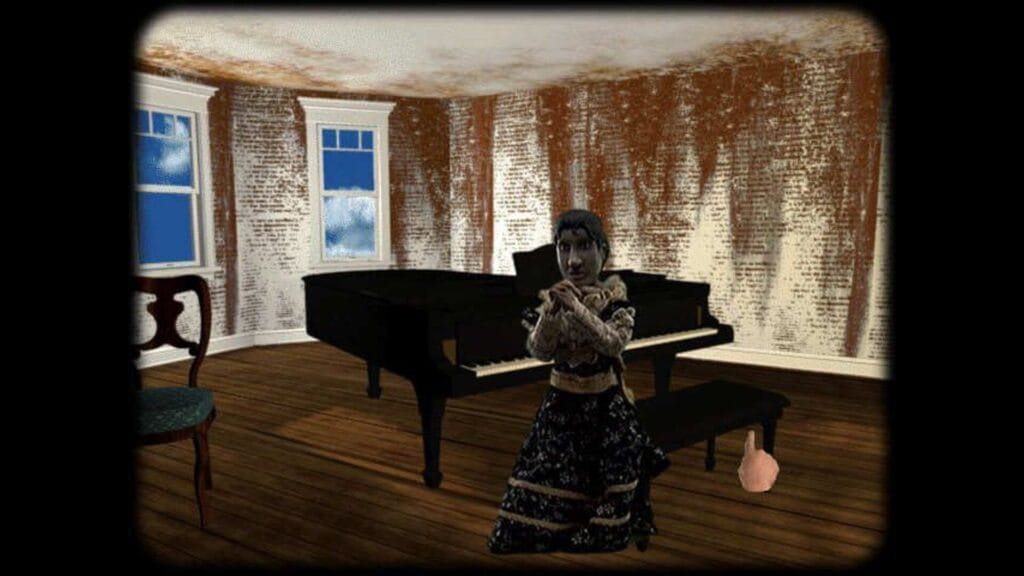
At its core, Edgar Allan Poe’s Interactive Horror is a first person narrative exploration game that adapts three of Poe’s most famous works: The Tell-Tale Heart, The Cask of Amontillado, and Berenice. Rather than retelling them as straightforward interactive fiction, the game presents surreal, symbolic interpretations of these stories within a loosely connected framing narrative.
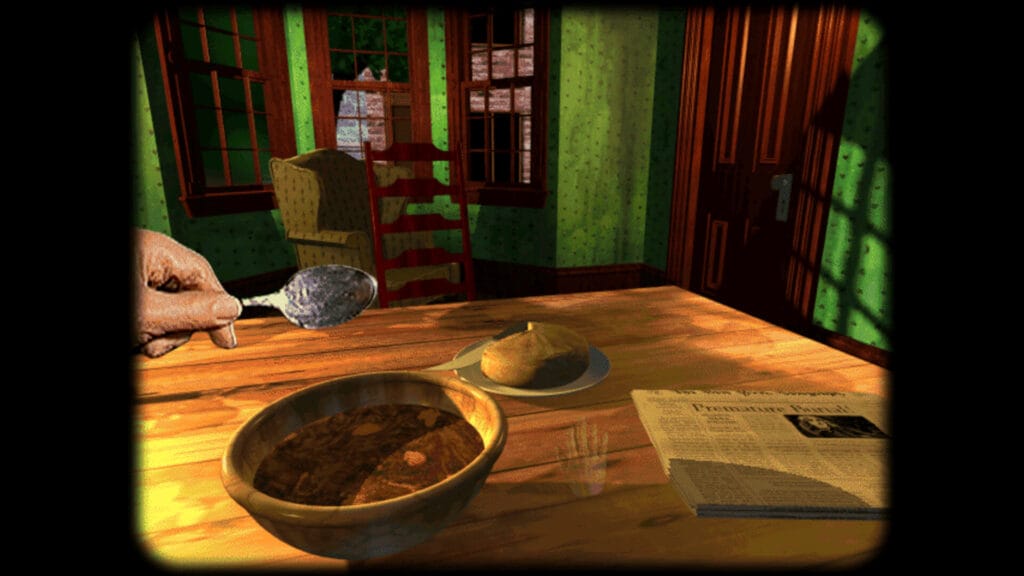
Visually, it remains strikingly unusual even today. The game blends stop motion clay characters, puppetry, and distorted video elements into pre rendered environments. The effect is deliberately uncanny. Faces appear slightly rigid. Movements feel just unnatural enough to unsettle. The aesthetic sits somewhere between a macabre stage play and an early CD-ROM art installation.
This approach was experimental in 1995 and it still feels experimental now.
William S. Burroughs and Thomas Dolby Elevate the Experience
One of the most remarkable aspects of the project is its collaboration with major artistic figures. The game features performance and narration by William S. Burroughs, the iconic Beat author who plays a central role within the game’s framing narrative. His presence lends the experience a literary gravity that few games can claim, especially from that era.
The music and sound design are credited to Thomas Dolby. The soundtrack leans heavily into atmospheric tension rather than melodic prominence. Low ambient tones, subtle distortions, and restrained musical cues carry much of the psychological weight. Combined with Burroughs’ delivery, the audio landscape becomes the dominant emotional force.
This is not a game that tries to scare through sudden shocks. It unsettles through tone.
Dual Perspectives and Psychological Fracture
One of the confirmed design features, highlighted in press coverage of the restoration, is the ability to experience events from both victim and perpetrator perspectives within certain story segments. That structural choice mirrors Poe’s recurring themes of guilt, obsession, and fractured perception.
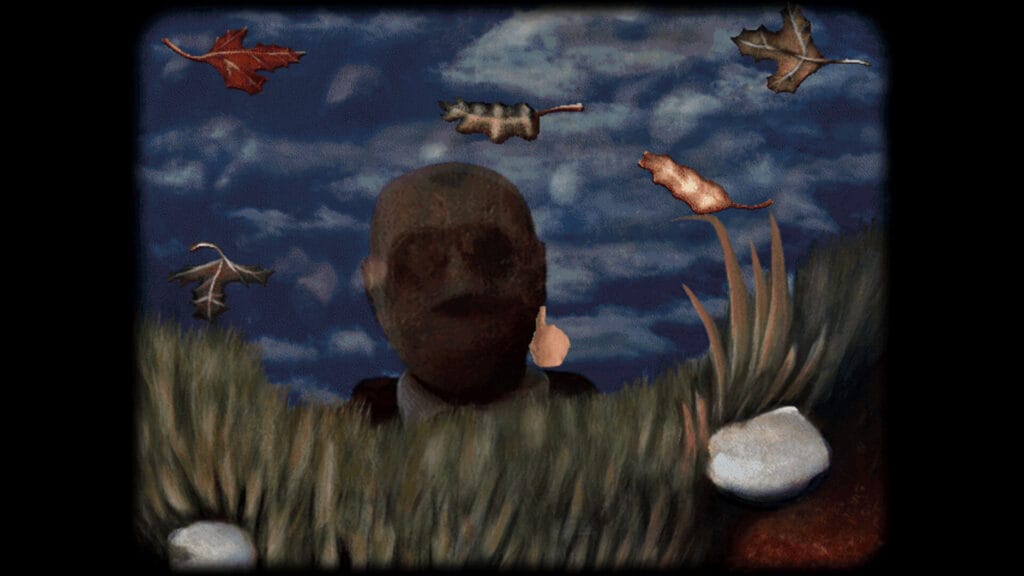
In The Tell-Tale Heart sequence, for example, tension builds not through mechanical challenge but through psychological immersion. The emphasis is on inhabiting mental deterioration rather than escaping physical danger. The horror is internal, not reactive.
That choice differentiates it from later survival horror titles that refined tension through combat systems or resource management. Edgar Allan Poe’s Interactive Horror is far more interested in mood and moral decay than mechanical mastery.
Faithful Restoration, Not Modern Reinvention
The Steam release makes it clear that this edition preserves the original aspect ratio and interface design. There is no widescreen overhaul, no visual smoothing, and no structural redesign. The menus feel mid 90s. The navigation remains rooted in classic point and click interaction. The visual compression artifacts of early multimedia production are intact.
Importantly, the re release exists in part due to trademark conflicts surrounding the original name, The Dark Eye, as stated by publisher representatives in coverage of the restoration. The new title foregrounds Poe’s literary influence and clarifies its thematic focus.
For players who never experienced the original, this is the first widely accessible way to play it on modern hardware without community workarounds.
Gameplay Focused on Atmosphere Over Complexity
Mechanically, the game is straightforward. You move through environments in first person, click to interact, and trigger narrative sequences. There are interactive moments and light puzzle elements, but they exist primarily to maintain pacing rather than test player skill.
This design may frustrate players expecting layered adventure logic puzzles or branching narrative systems. Edgar Allan Poe’s Interactive Horror is linear in structure and intentionally guided in progression.
Its engagement comes from interpretation, not challenge.
Context Within Horror Game History
Released in 1995, the original arrived during a period of experimentation in PC multimedia design. CD-ROM storage had opened the door to full motion video, voice acting, and mixed media presentation. Developers were exploring how literature, film, and interactive systems could intersect.
In that historical context, The Dark Eye stands as one of the stranger and more artistically ambitious experiments of its era. It did not redefine horror mechanics. Instead, it explored how literary dread could be translated into digital space.
The Steam restoration does not attempt to retrofit it into modern expectations. It presents it as a preserved artifact, and that honesty strengthens its appeal.
Final Verdict
Edgar Allan Poe’s Interactive Horror: 1995 Edition is not designed to compete with contemporary horror releases. It is a surreal, literary exploration piece that values atmosphere, performance, and artistic experimentation over gameplay depth.
The restoration succeeds in making a once difficult to access title playable again while maintaining its original identity. For fans of Poe, for students of horror game history, and for players curious about the multimedia experimentation of the 90s, it offers something genuinely distinctive.
It will not satisfy those seeking mechanical intensity. But as a preserved work of interactive gothic art, it remains fascinating nearly three decades later.
Final Score: 3.7/5
A haunting and historically significant restoration that proves atmosphere can outlast technical age.
This review is based on the Steam version, with a code provided by the game’s publishers.
About the Author