Avinash Rohra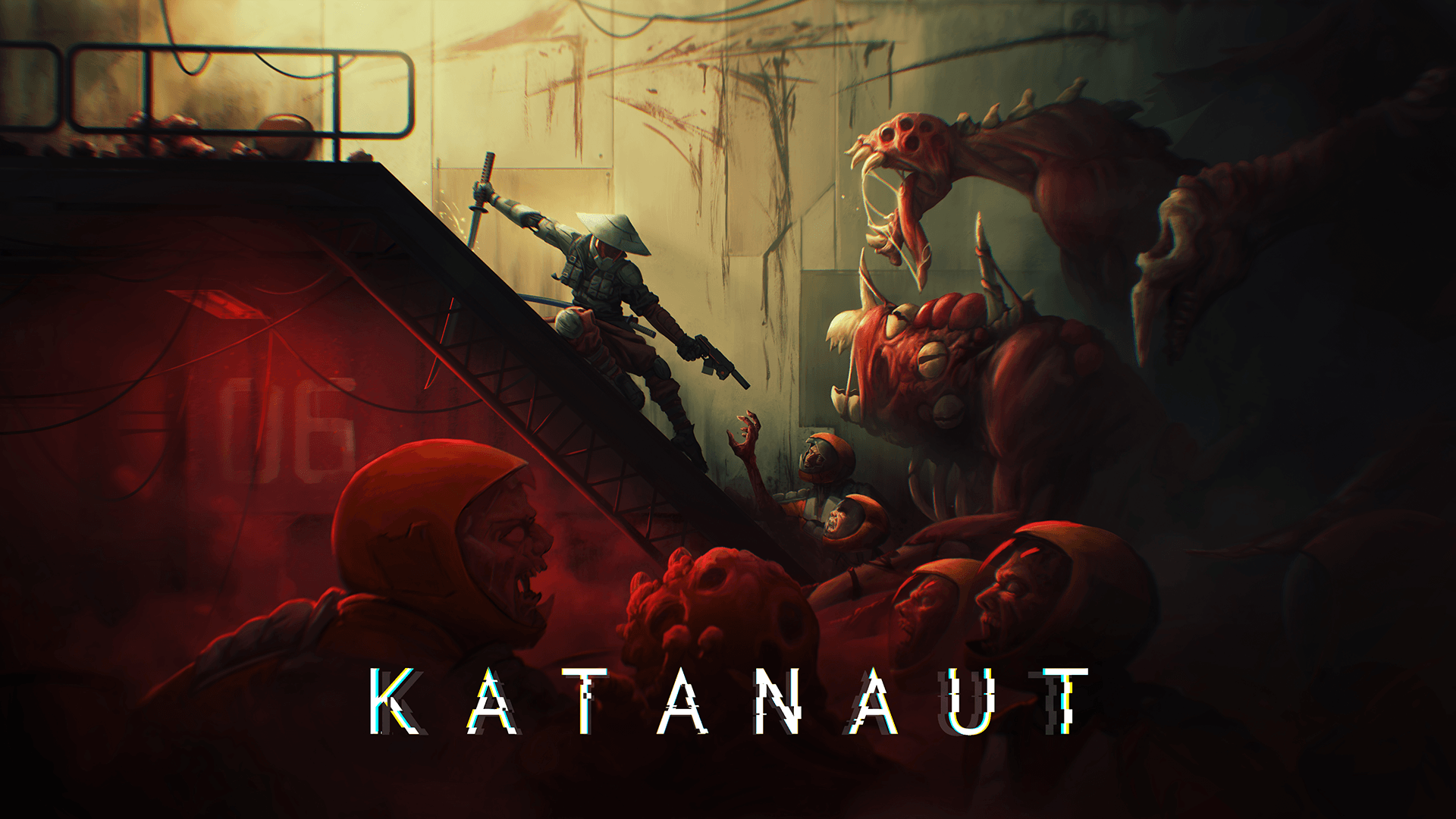
After spending countless hours slicing through cosmic nightmares aboard a corrupted space station, Katanaut emerges as one of the year’s most compelling indie surprises. Developed single-handedly by Eugene under the studio name Voidmaw, this action roguelite successfully marries the fluid combat of Dead Cells with the atmospheric dread of Dead Space, creating something that feels both familiar and refreshingly distinct.
The Cosmic Nightmare Unfolds
Katanaut thrusts players into the blood-soaked boots of Naut, a katana-wielding space samurai investigating a station consumed by demonic forces. The premise is beautifully simple yet effective: armed with nothing but steel and determination, you must carve through hordes of twisted flesh constructs that were once human inhabitants. This setup immediately establishes the game’s central tension between vulnerability and power, making every encounter feel personal and visceral.
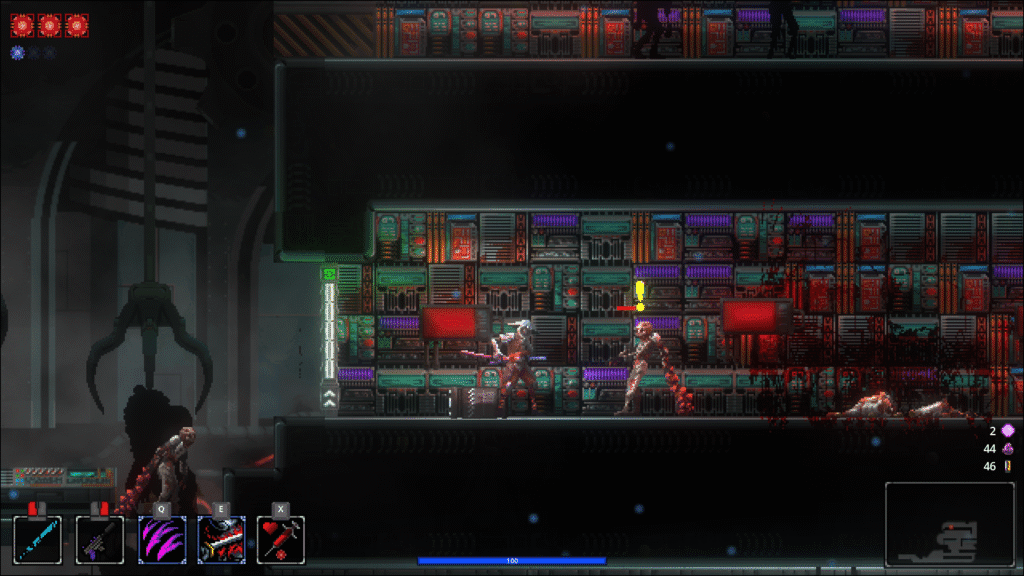
The narrative unfolds through environmental storytelling and scattered memory fragments, revealing the station’s tragic transformation piece by piece. While the cosmic horror elements don’t quite achieve the existential dread of genre classics, they provide a compelling backdrop for the relentless action. The game focuses more on gross-out horror than psychological terror, painting the sterile corridors with increasingly disturbing imagery as you delve deeper.
Combat That Sings With Steel
Where Katanaut truly excels is in its combat system, which feels refined to perfection. Each katana swing carries weight and precision, with different blade types offering distinct playstyles – from devastating heavy strikes to lightning-fast combo chains. The parry-focused katana particularly shines, allowing skilled players to turn enemy aggression into devastating counterattacks marked by telltale exclamation points above foe heads.
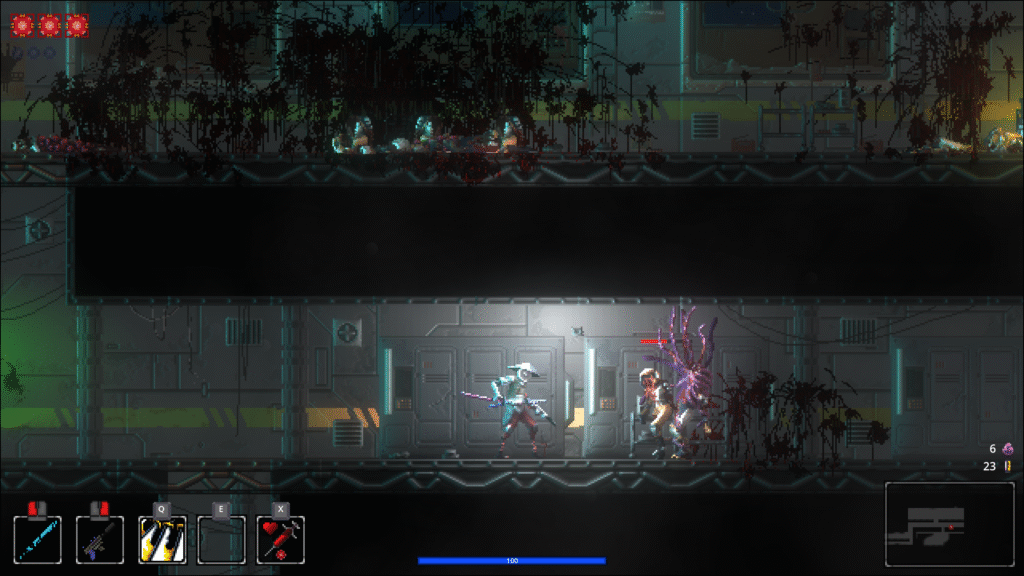
The game’s weapon variety extends beyond melee, incorporating firearms as secondary tools that require katana strikes to replenish ammunition. This creates a natural rhythm where ranged attacks complement rather than replace sword combat, maintaining the game’s melee-focused identity. Environmental interactions, like kicking barrels into enemies before charging in, add delightful tactical layers that keep encounters dynamic.
Procedural Perfection Meets Handcrafted Design
Katanaut’s level design strikes an impressive balance between handcrafted rooms and procedural generation. Each run presents familiar corridors arranged in new configurations, creating the perfect blend of knowledge application and fresh discovery. The Metroidvania elements shine through interconnected areas accessed via portals, encouraging thorough exploration despite the roguelite structure.
The progression system cleverly integrates memory fragments scattered throughout the station, allowing permanent unlocks that carry between runs. This creates meaningful advancement even after devastating defeats, with new weapons, abilities, and perks constantly expanding your tactical options. The skill system encourages experimentation, with ability combinations like summoning eldritch tentacles while tearing reality rifts creating spectacular combat scenarios.
Visual Feast of Gore and Beauty
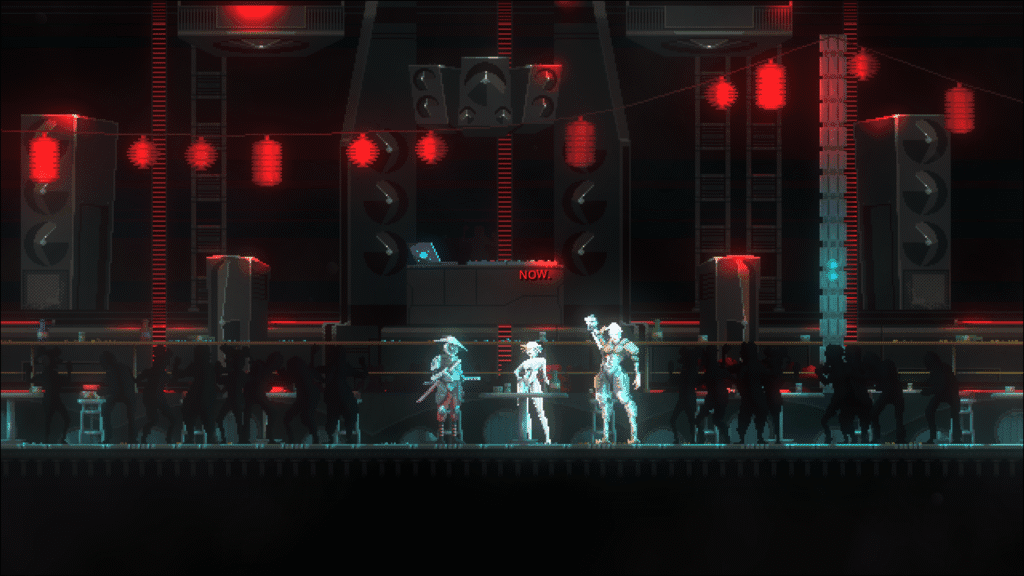
Katanaut’s pixel art presentation is nothing short of stunning, transforming sterile space station corridors into canvases of visceral horror. Blood spatters paint the backgrounds in increasingly disturbing patterns, while enemy animations strike the perfect balance between grotesque and readable. The attention to detail in creature design creates genuinely unsettling adversaries that move with unnatural fluidity, their tendril-filled maws and distorted forms adding atmospheric weight to every encounter.
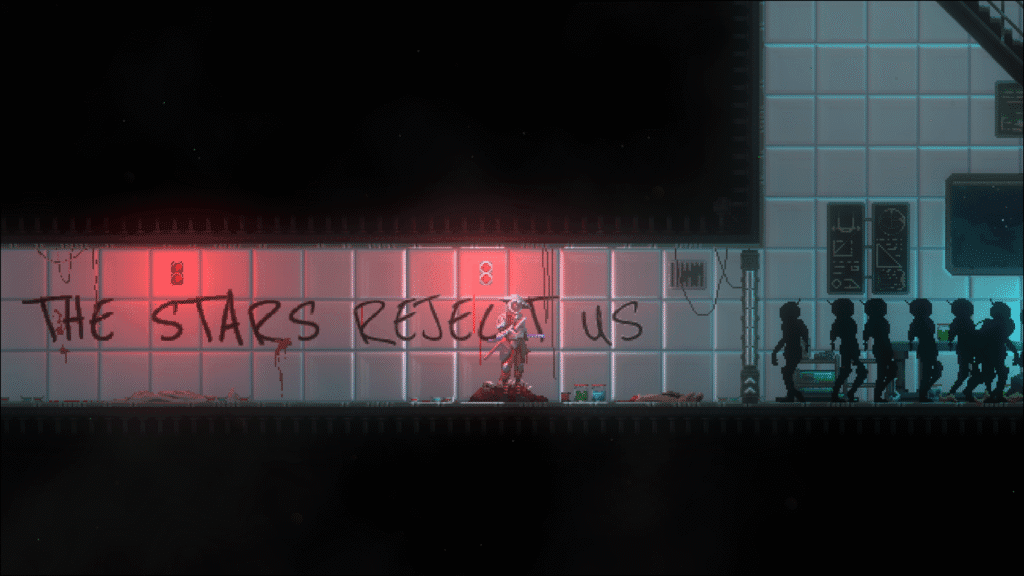
The visual progression as you venture deeper matches the narrative perfectly, with environments becoming progressively more corrupted and disturbing. Despite the gore-heavy presentation, the pixelated style maintains an artistic elegance that prevents the imagery from becoming gratuitously shocking.
Audio Atmosphere That Pulses
The synthwave soundtrack deserves special recognition, crafting an immersive soundscape that perfectly captures both the high-energy combat and the station’s darkest corners. Each track enhances the atmosphere without overwhelming the action, creating an audio backdrop that feels both retro-futuristic and appropriately ominous.
Areas for Improvement
While Katanaut excels in most areas, it struggles to fully realize its horror potential. The cosmic horror elements lean heavily toward gore and grotesquery rather than genuine dread, missing opportunities to create the psychological tension that defines the genre’s best entries. The stalking horror mechanics add tension but never achieve truly frightening moments.
The roguelite structure, while well-implemented, occasionally works against the game’s Metroidvania exploration elements. Some players may find themselves wishing for more time to thoroughly explore the beautifully crafted environments before the inevitable reset. However, this tension reflects the inherent challenge of balancing genres rather than a fundamental design flaw.
Pros:
- Exceptionally refined katana combat with satisfying weight and precision
- Stunning pixel art presentation that balances gore with artistic elegance
- Intelligent blend of procedural and handcrafted level design
- Compelling progression system with meaningful permanent unlocks
- Atmospheric synthwave soundtrack that enhances immersion
- Extensive replay value through varied builds and achievement systems
Cons:
- Horror elements rely more on gore than genuine psychological dread
- Roguelite structure sometimes conflicts with exploration desires
- Combat can feel repetitive during longer sessions despite weapon variety
- Limited enemy variety in later stages reduces encounter diversity
- Some ability combinations feel overpowered, diminishing challenge balance
Value and Verdict
At its launch price, Katanaut represents decent value for roguelite enthusiasts. The game offers substantial replay value through its progression systems, varied builds, and procedural elements, easily justifying dozens of hours of playtime.
For a solo developer’s debut project, Katanaut demonstrates remarkable ambition and execution. Eugene has created something that stands confidently alongside genre heavyweights while establishing its own identity through thematic cohesion and mechanical refinement.
Katanaut succeeds because it understands what made its inspirations great while adding its own flavor to the formula. The katana-wielding space samurai concept could have been merely cosmetic, but the developer has built meaningful gameplay systems around this central concept, creating encounters that feel appropriately personal and intense.
Despite minor shortcomings in its horror execution, Katanaut delivers where it matters most: tight combat, compelling progression, and that elusive “just one more run” addictive quality that defines the genre’s best entries. It’s a testament to focused vision and skilled execution, proving that solo developers can still create experiences that rival much larger productions.
Final Verdict: 4/5
A stellar debut that carves its own path through the crowded roguelite landscape with razor-sharp precision and cosmic style.
This review is based on the PC version, with the code provided by the game’s publishers.
About the Author