Avinash Rohra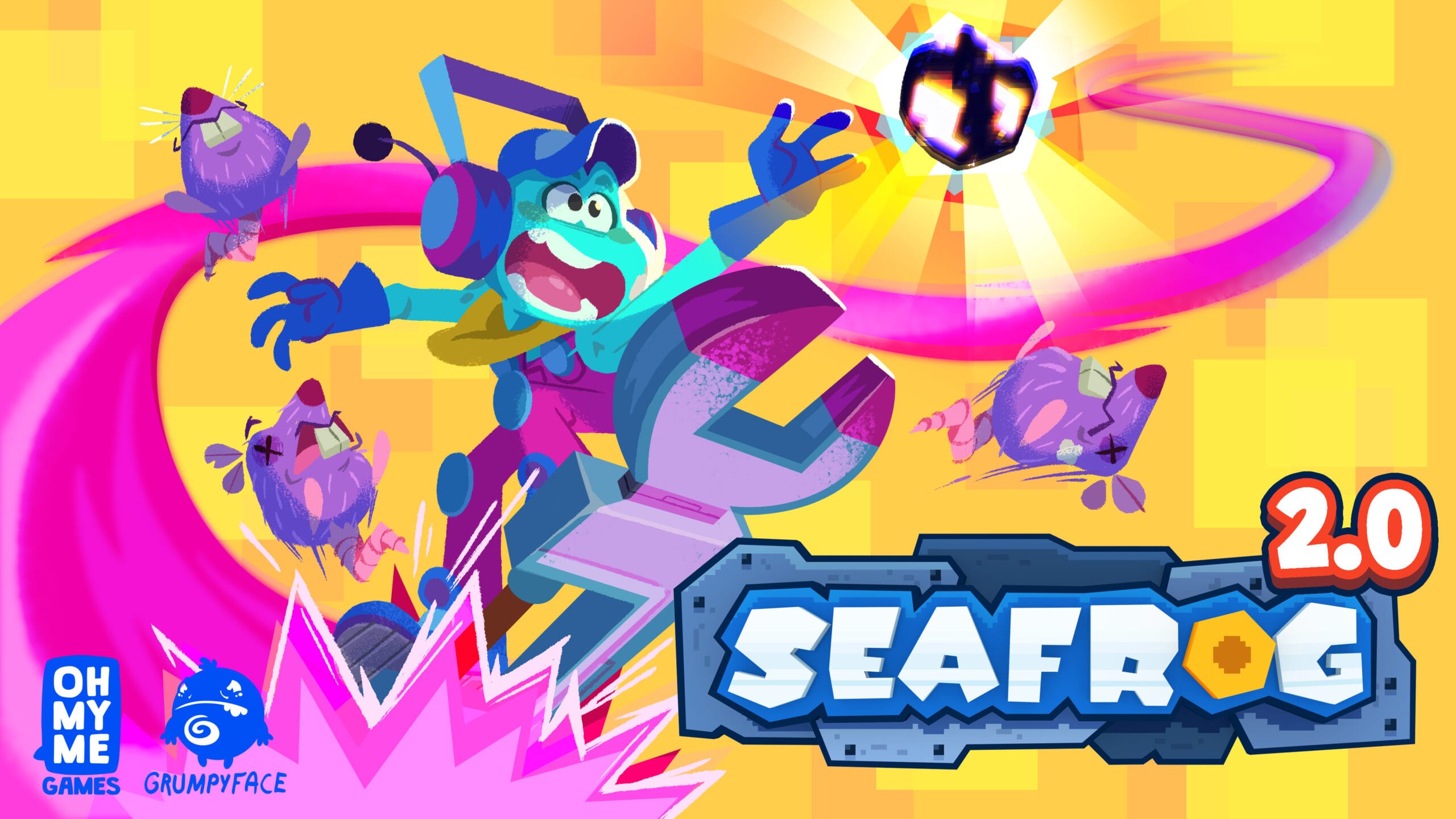
Seafrog arrives at version 2.0 in a position many indie games never quite reach, not as a redemption arc, but as a clarified statement of intent. This is not a retrospective reassessment of what Seafrog used to be, but an evaluation of what it is now. The version currently available on PC is a more focused, more considerate, and more playable expression of a movement-driven platformer that understands where its strengths lie and, crucially, where it needs to get out of its own way.
At its core, Seafrog is a game about momentum. You play as a frog mechanic skating across derelict ships, using speed, angles, and environmental geometry to move through industrial spaces that emphasize flow over precision jumps. The idea is immediately appealing, but ideas alone do not sustain a full game. What version 2.0 demonstrates is a clear effort to align Seafrog’s systems, pacing, and progression with that central fantasy.
A Movement-First Identity, Clearly Defined
From the outset, Seafrog makes it clear that movement is the primary verb. Traversal is built around skating and sliding across surfaces, chaining momentum through curves, slopes, and vertical spaces. The frog’s wrench functions as an interaction tool, tying progression to environmental engagement rather than combat dominance or stat escalation.
What stands out in the current version is how much more trustworthy the movement feels. Speed carries more predictably, surfaces behave more consistently, and the game is less eager to punish experimentation. Mastery still takes time, but the learning process feels intentional rather than abrasive. When you wipe out, it is usually clear why and, more importantly, you are quickly encouraged to try again.
Structural Changes That Respect the Player
One of the most significant aspects of Seafrog 2.0 is how it handles failure and progression. Death now respawns you at the last activated teleporter rather than resetting you to a distant hub. This adjustment cannot be overstated in its impact. It preserves momentum not just mechanically, but mentally, allowing players to stay engaged with a space instead of being pulled out of it repeatedly.
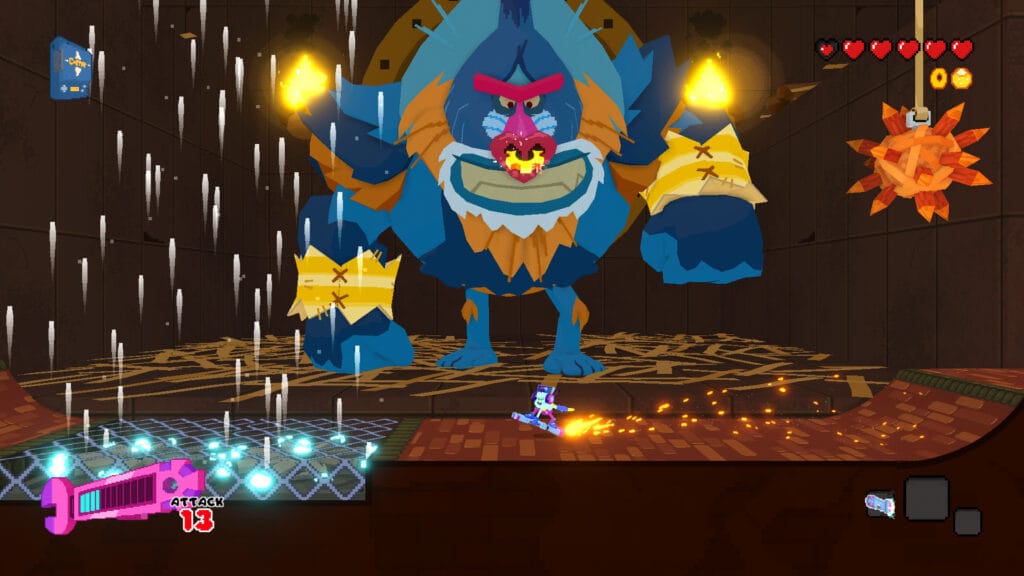
Enemy encounters and environmental hazards have also been rebalanced. The game still asks you to be attentive, but it no longer feels at odds with its own relaxed, exploratory tone. For players who want to focus purely on movement and discovery, optional accessibility settings, such as a no-fail mode, make that possible without compromising the game’s structure.
Progression systems have been streamlined as well. Certain upgrades that once required active management are now permanent once unlocked, reducing friction and keeping attention where it belongs, on moving through space.
Ships as Playgrounds
Seafrog’s ship environments are dense, mechanical spaces designed to be learned rather than conquered. Pipes, rails, and structural details naturally double as traversal routes, and most areas support multiple paths depending on your comfort with speed and control. As familiarity grows, so does the pleasure of revisiting earlier sections and moving through them more cleanly than before.
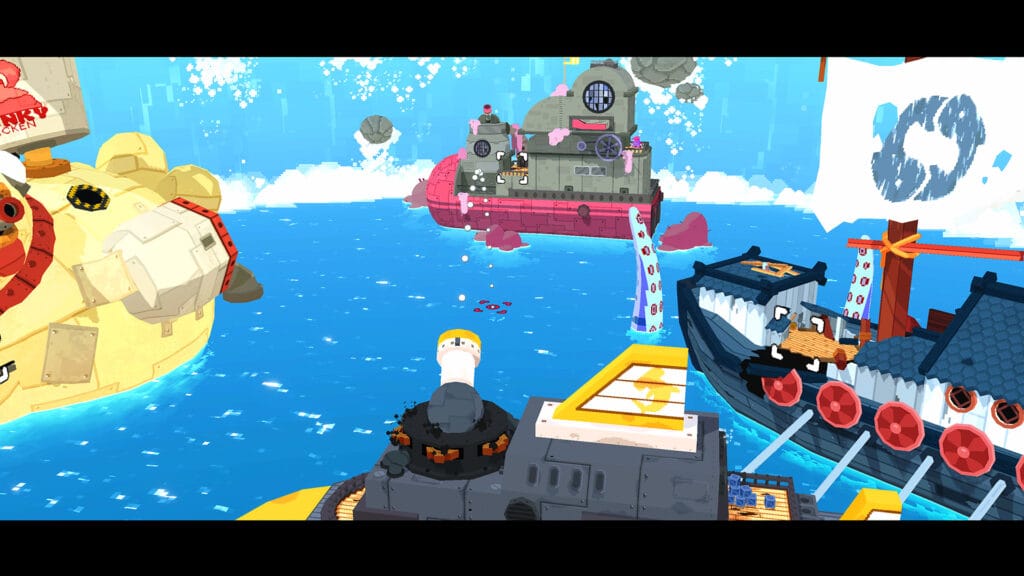
That said, clarity is still an occasional issue. Some interactive elements blend into the environment, especially in visually busy rooms. While rarely progress-blocking, these moments can briefly disrupt the game’s otherwise smooth rhythm.
Visually, Seafrog leans into a chunky, stylized aesthetic that balances industrial decay with playful character design. Animations clearly communicate motion and direction, which is essential for a game so reliant on speed. The soundtrack remains understated, supporting traversal without drawing attention away from it.
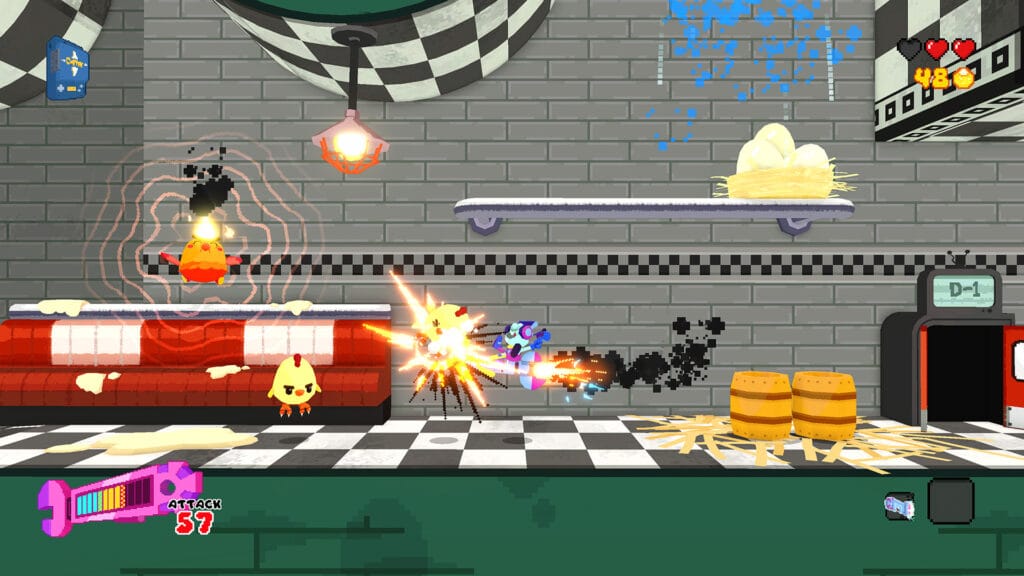
On PC, the current version performs reliably. During this playthrough, performance was stable, load times were short, and no crashes occurred. The interface is minimal and functional, reinforcing the game’s focus on movement rather than systems management.
Final Verdict
Judged in its current form, Seafrog is a confident, well-considered movement platformer that knows what it wants to be. Version 2.0 does not radically reinvent the game; instead, it removes unnecessary friction and allows its best ideas to shine. While some readability issues and limited long-term incentives remain, they no longer dominate the experience.
Score: 4.0 / 5
Seafrog 2.0 is a game that finally feels comfortable in its own skin. For players drawn to momentum-driven design, exploratory spaces, and platformers that reward familiarity over perfection, this version of Seafrog is well worth the time.
This review is based on the PC (Steam) version, with the code provided by the game’s publishers.
About the Author