Simon the Sorcerer: Origins Review – The Return of British Gaming’s Most Beloved Cynic
 Avinash Rohra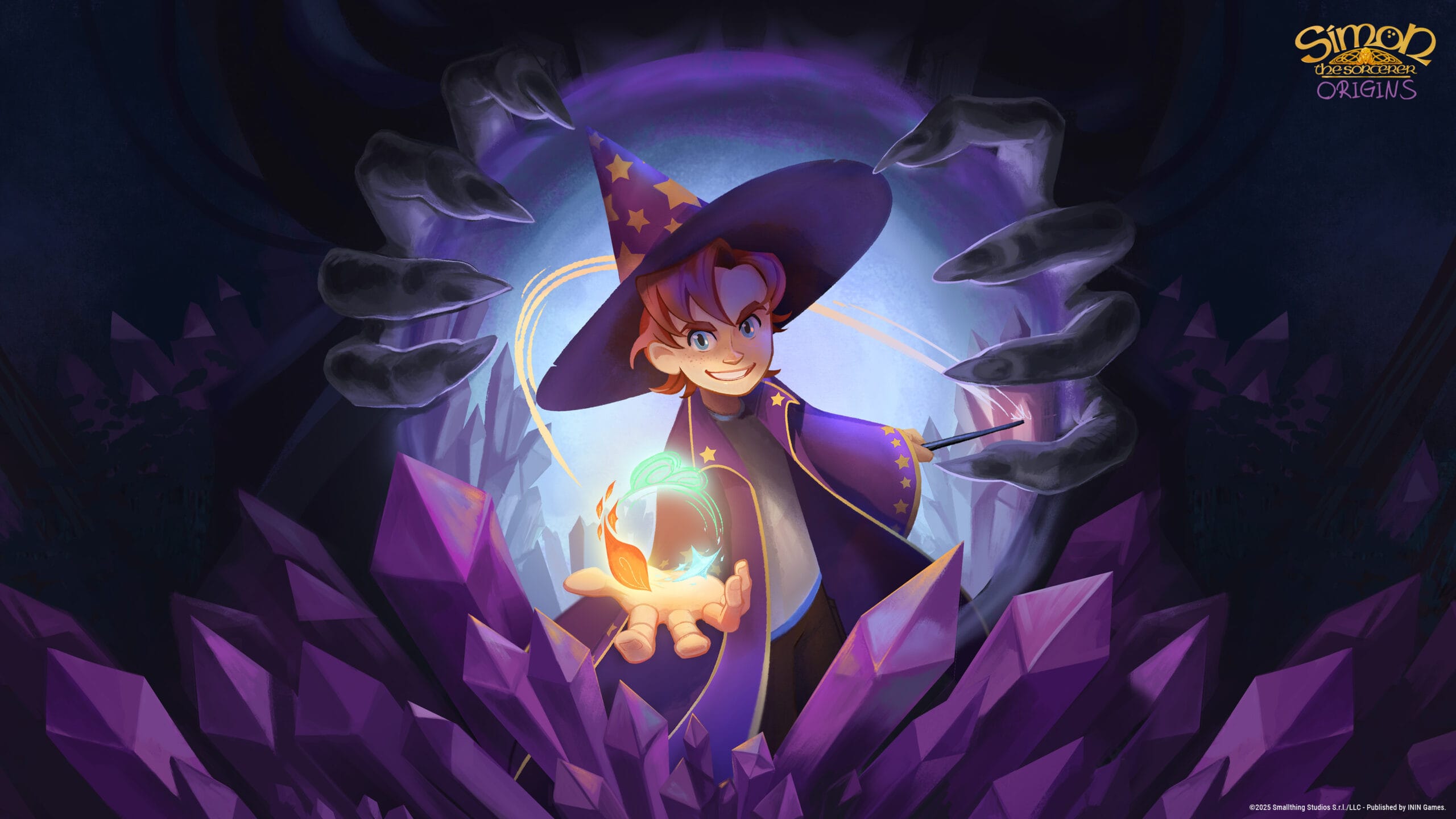
When I loaded Simon the Sorcerer: Origins on my PC last week, I wasn’t expecting to get teary-eyed or laugh out loud. Not once. Not twice. By the third time Chris Barrie’s distinctive voice cut through a moment of genuine character vulnerability, I realized that Smallthing Studios had accomplished something I genuinely thought impossible: they had created a prequel to a 32-year-old game that doesn’t just respect its source material, it elevates it.
Let’s establish something immediately: gaming needs more resurrections like this one. Not the cynical “milk the IP” kind that pervades the industry, but the honest kind where developers spend five years obsessing over the smallest details because they actually care about the material. When I spoke with Game Director Massy Calamai during our exclusive developer interview, that passion came through with almost palpable intensity. This isn’t a team checking boxes on a publishing contract. This is a team that grew up with Simon the Sorcerer, felt its loss across three decades, and decided to do something about it.
The Voice We’ve Been Waiting to Hear
I need to address this directly because it’s the gravitational center around which the entire experience orbits: Chris Barrie returning as Simon’s voice is nothing short of a miracle. When Adventure Soft originally hired Barrie for the 1993 game, they reportedly spent £3,000 per day, an almost incomprehensible budget for voice acting in adventure games at that era. It was money well spent then. Bringing him back in 2025 felt like an impossible dream until it wasn’t.
What struck me most forcefully during my playthrough wasn’t the nostalgia of hearing that voice again. It was the depth of the performance. According to Calamai’s own account, Barrie arrived at the recording sessions having already read and loved the script he came prepared to deliver stage-quality acting rather than generic voice work. The entire development team was moved to tears during recording sessions as Barrie interpreted Simon’s vulnerability beneath the sarcasm. That emotional commitment translates directly into the final product.
When Simon complains about being forced into situations “Why would I do that?” “That doesn’t make sense” the frustration lands with genuine weight rather than surface-level cynicism. Barrie pitches his voice slightly higher to reflect Simon’s teenage years, yet he retains every ounce of the character’s essential personality. Fifteen minutes into Origins, I had forgotten I was listening to an actor returning to a role after thirty years. I was simply with Simon, listening to a character whose voice felt as real as any friend’s.
The Puzzle Architecture of Respect
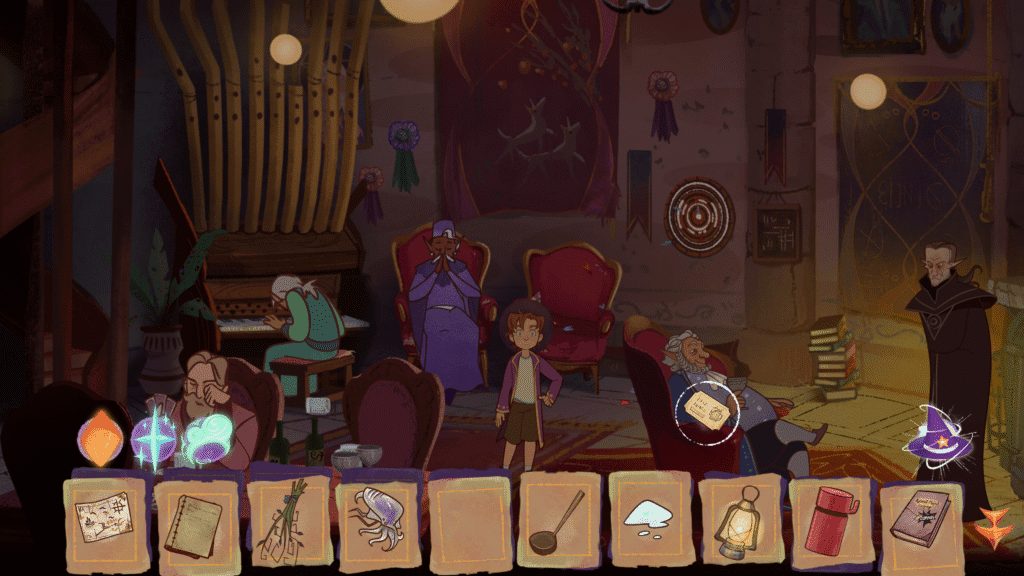
Here’s the honesty I owe you about Simon the Sorcerer: Origins it respects your intelligence in ways modern games often forget to. There are no quest markers, no quest logs that hold your hand, no convenient waypoints screaming “go here next.” The game trusts you to figure things out through environmental storytelling, logical deduction, and occasionally pure lateral thinking.
During my ten-hour playthrough, this design philosophy created moments of both profound satisfaction and genuine frustration. The academy chapter which Calamai himself identifies as one of the game’s toughest sections nearly broke me. I spent close to three hours there, oscillating between the euphoria of solving something genuinely clever and the exasperation of missing an obvious element. That tension, uncomfortable though it can be, reflects a design philosophy that the game refuses to compromise: it values your agency over your comfort.
The puzzle mechanics themselves showcase genuine ingenuity. Throughout the adventure, Simon learns three elemental spells Flambergo for fire, Freezesneezius for ice, and Windado for wind that become essential tools for solving environmental challenges. More inventively, Simon acquires multiple versions of his magical hat, each transforming inventory items differently and creating logical puzzles that require understanding rather than inventory-shuffling. When these systems click, the satisfaction is profound.
A Story That Goes Deeper Than Laughs
What genuinely surprised me about Origins was realizing that it’s not primarily a comedy. It’s a story about vulnerability that happens to be funny. According to Calamai, the narrative explores Simon’s relationship with his mother, an emotional undercurrent running beneath the surface of sarcasm and wise-cracking. During external testing, the development team witnessed something unexpected: seventeen-year-old girls who had never encountered Simon before laughed at the humor before becoming emotionally affected by the character development.
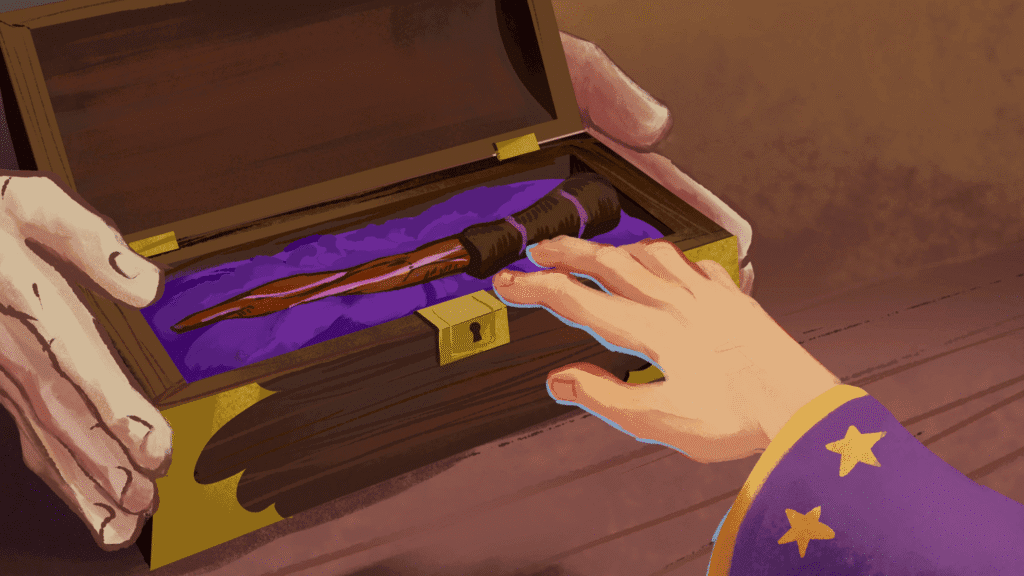
The game positions itself as a prequel set mere weeks before the events of the original 1993 game, explaining how Simon first discovered the magical world that would define his destiny. Rather than simply retreading familiar ground, the developers crafted a narrative that adds genuine weight to Simon’s later cynicism. He’s not born caustic; he becomes that way through circumstance and emotional pain. When you eventually encounter Sordid, Simon’s future nemesis from the original game, the meeting carries unexpected complexity rather than simple antagonism.
This emotional architecture transforms what could have been nostalgia-driven cash-grab into something with actual narrative weight. By the game’s conclusion, I found myself caring about Simon’s journey in ways I hadn’t anticipated. The prequel had recontextualized my entire understanding of the character.
The Visual Language of Authenticity
Smallthing Studios an Italian indie studio founded in 2018 by Calamai and Senior Programmer Stefano Campodall’Orto made an aesthetic choice that feels simultaneously risky and perfect: rendering Origins as a 1990s Saturday morning cartoon rather than maintaining the pixel-art style of the originals. This decision wasn’t casual. According to Calamai, the team spent months testing different visual styles before committing fully to this direction. “We ran months of testing the style, features, and effects to apply, until we realized that creating Origins like a ’90s cartoon would be fantastic. We never budged from this idea in five years.”
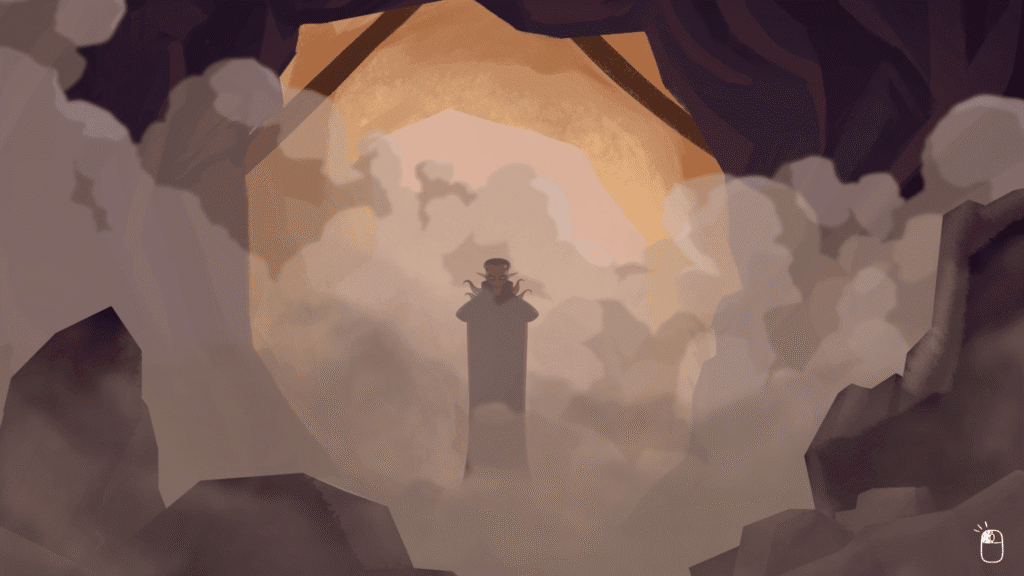
The results create a storybook atmosphere that complements the adventure’s thematic tone beautifully. Character animations courtesy of animators who previously contributed to Netflix’s Klaus showcase surprising fluidity during key moments. The visual direction embraces a Saturday morning cartoon aesthetic that feels thematically appropriate, bright, expressive, emotionally resonant.
The audio design delivers without compromise. Mason Fischer’s original score captures emotional resonance with compositional thoughtfulness. And then there’s Rick Astley, specifically his song “Together Forever” playing over the opening credits, a detail so wonderfully ’90s that it could border on parody if it didn’t feel so genuinely effective. Smallthing Studios’ choice to include Astley feels simultaneously like a wink to the audience and an authentic celebration of the game’s spiritual era.
Duration, Pacing, and World Structure
Origins runs approximately 10-12 hours for players with adventure game experience. That’s substantial without feeling excessive long enough to justify the investment, short enough that pacing rarely slackens. The narrative unfolds across twelve distinct chapters, each introducing new environments, characters, and puzzle concepts.
Completion time varies based on puzzle-solving ability. Players struggling without guidance might find themselves at 14-16 hours; skilled players could theoretically complete subsequent playthroughs in 4-5 hours. My initial playthrough landed around eleven hours appropriately calibrated to the adventure’s scope.
The pacing demonstrates genuine craft throughout. Early chapters gently introduce mechanics and world-building. Middle chapters escalate both puzzle complexity and narrative stakes. The final sequence manages emotional resonance while remaining thematically connected to everything preceding it. Calamai’s directorial vision maintains tension without artificial elongation.
The Franchise’s Vindication
After Simon the Sorcerer 3D’s commercial failure in 2002, the franchise needed more than revival it needed validation. The involvement of Adventure Soft itself proved crucial. According to Calamai, Simon Woodroffe, son of series co-creator Mike Woodroffe and original scriptwriter of the 1993 game declared Origins “the best Simon since the first game.” Coming from the franchise’s bloodline, that endorsement carries genuine weight.
Smallthing Studios managed to deliver something larger publishers might have bungled through overcomplexity. They understood the fundamental insight: this property’s value lies not in reinvention but resurrection, restoring what mattered while updating execution for contemporary audiences. The five-year development process that Calamai describes as “constantly intense, emotional, and passionate” reflects genuine commitment rather than contractual obligation.
STRENGTHS
Chris Barrie’s voice performance stands as genuinely exceptional emotionally resonant, perfectly pitched for teenage Simon, retaining his essential character essence. The puzzle design rewards logical thinking while respecting player agency. The narrative depth regarding Simon’s relationship with his mother adds surprising emotional weight beneath the humor. New mechanics like spell-casting and the transforming magic hat system expand the formula without overwhelming traditionalists. The visual presentation creates a cohesive storybook atmosphere complementing the adventure’s tone through careful aesthetic choices. Mason Fischer’s score demonstrates compositional quality. The game respects player intelligence. Adventure Soft’s involvement ensures franchise authenticity.
WEAKNESSES
Puzzle difficulty spikes unevenly, particularly in the academy chapter, creating genuine challenges that may feel overwhelming for some players. The complex puzzle logic requires patience and logical thinking without external assistance, demanding significant engagement from players. The game’s commitment to classical adventure game design means it deliberately avoids modern convenience features, which some contemporary players may find restrictive rather than liberating.
FINAL VERDICT
Simon the Sorcerer: Origins isn’t perfect, but it’s something far more important: it’s honest. It respects its legacy enough to honor rather than exploit it. After thirty years, Smallthing Studios has given us a game that bridges nostalgia and contemporary standards, a space where Barrie’s voice and Simon’s personality feel simultaneously timeless and of-the-moment.
For franchise veterans, this prequel adds emotional depth to the original series, answering burning questions about Simon’s origins while respecting the mysteries that should remain unsolved. For newcomers willing to embrace the genre’s inherent challenge, Origins serves as an exceptional introduction to why adventure games mattered. Having completed this journey from beginning to end, I emerged with unexpected affection for Simon as a character. That emotional connection that makes this prequel makes me care more about the original series rather than less represents the highest achievement possible for a franchise revival.
SCORE: 4.7/5
A legitimate achievement in franchise resurrection proving that some spells never lose their power, even across thirty years.
For an in-depth look at the creative decisions behind Simon’s revival, read our exclusive interview with Game Director Massy Calamai and the Smallthing Studios development team.
This review is based on the PC version, with a code provided by the game’s publishers.
About the Author