Stitched Together Review – Paper Mario Meets Stranger Things (And Somehow Finds Its Own Voice)
 Avinash Rohra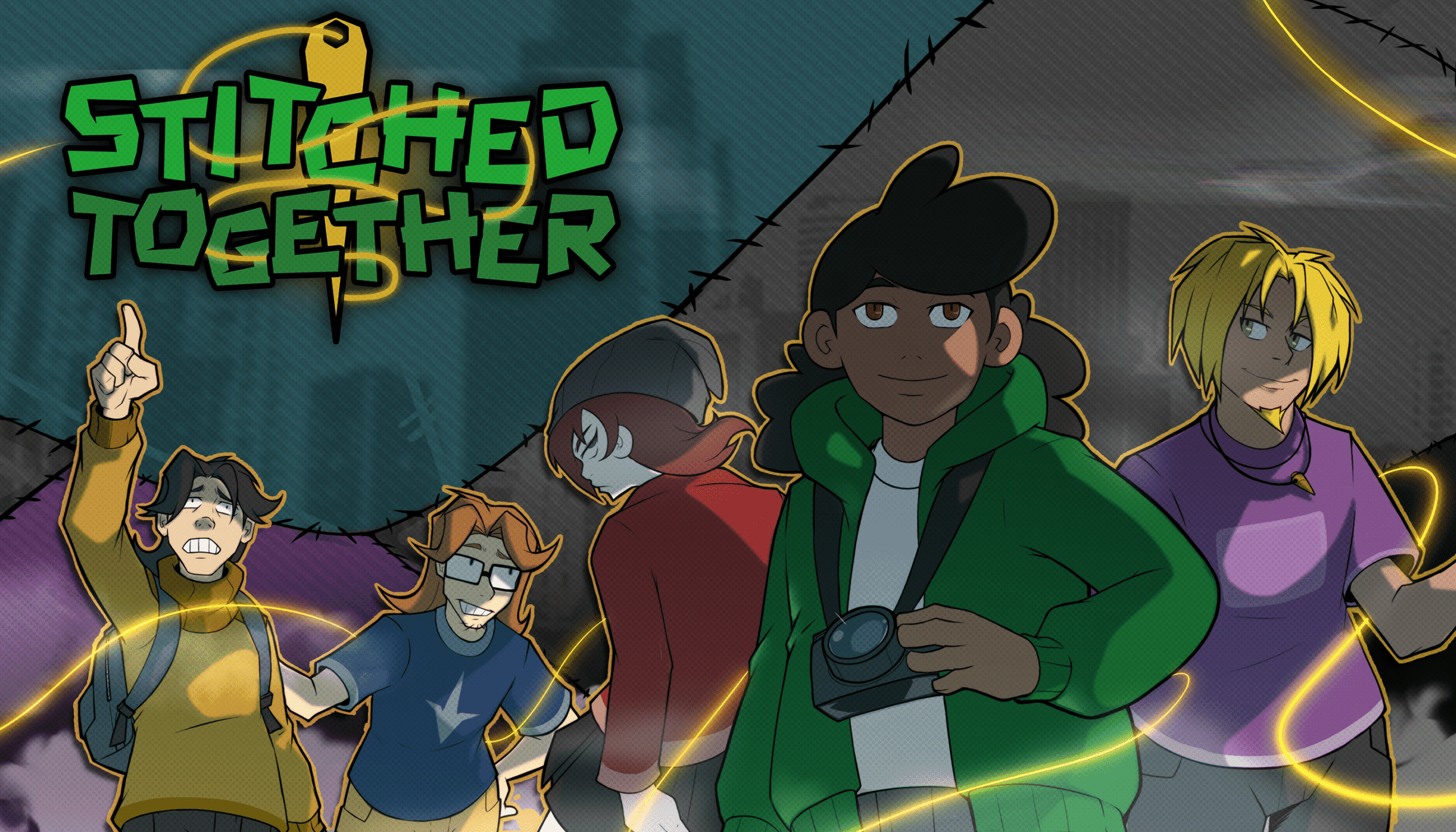
There’s always a moment, early in a game, where you decide whether it’s something you’ll finish or quietly abandon. With Stitched Together, that moment came quickly. Not because it overwhelmed me with systems or spectacle, but because it did something far more difficult.
It made a strong first impression, then slowly revealed there was more beneath it.
At a glance, Stitched Together looks like it’s borrowing heavily from familiar territory. The Paper Mario-inspired aesthetic, the quirky cast, the turn-based combat. You’ve seen this before. You think you know what it is.
And then it starts layering its ideas.
A Coming-of-Age Story Sewn Into Something Stranger
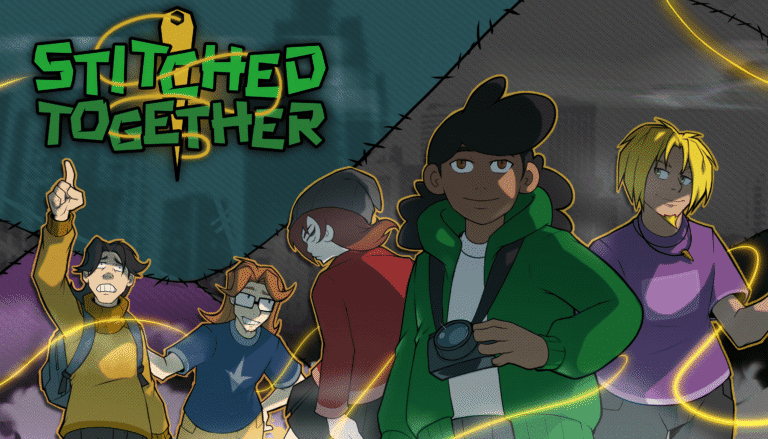
You play as Gwen, a college student returning to her hometown for the summer. It’s a grounded setup. Family tension, uncertainty about the future, a quiet town that feels just a little off.
Then things start going missing.
What follows is a narrative that leans into that classic “small-town mystery” energy. There are shades of Stranger Things, a bit of The Goonies, and even the structure of modern JRPG party storytelling. But what makes it work is how personal it feels.
The story isn’t trying to be epic right away. It builds slowly, focusing on relationships, dialogue, and the dynamic between characters. And that dialogue is one of its strongest assets.
The Fabric World – Where the Game Finds Its Identity
The turning point comes when Stitched Together introduces its core mechanic. The ability to switch between the real world and the “Fabric” dimension.
This isn’t just a visual gimmick.
It’s a structural layer that affects exploration, puzzle-solving, and progression. Objects missing in the real world have counterparts in the Fabric realm. Movement, pathways, and interactions shift depending on where you are.
It adds a puzzle-adventure layer that separates the game from more traditional JRPGs.
And importantly, it keeps exploration engaging.
Combat That Feels Familiar, But Not Lazy
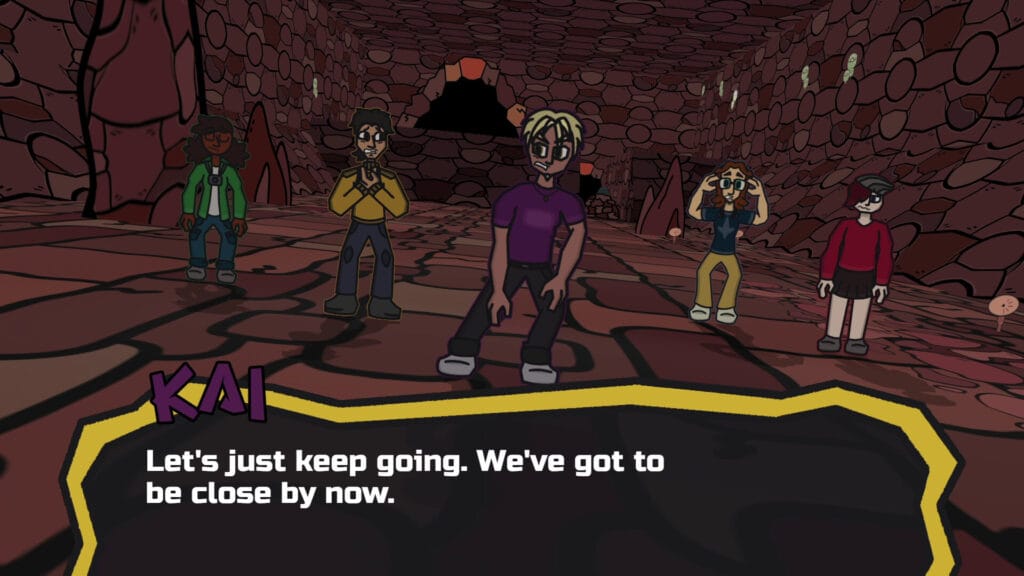
Combat here is turn-based, and initially, it feels very traditional. Standard attacks, skills, items, defensive options. Nothing immediately groundbreaking.
But then the game introduces its Link system.
This is where party relationships directly impact combat. Characters can combine abilities, consuming shared resources to create stronger or more strategic effects. It’s not just about who you bring into battle, but how those characters connect and that connection is reinforced outside combat too.
Skills are often unlocked through character-driven moments, small narrative beats that tie progression to relationships. It’s a smart integration that gives mechanical growth emotional context.
A World Designed Like a Living Sketchbook
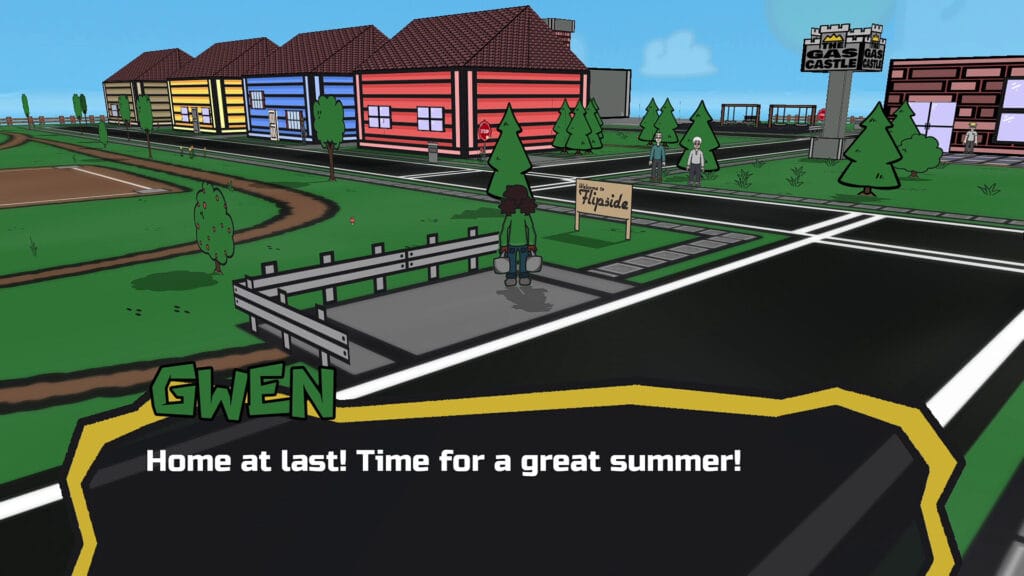
Visually, Stitched Together is one of those games that people immediately latch onto.
The Paper Mario comparison is unavoidable, but it doesn’t feel derivative. The world has a cardboard, cutout aesthetic, almost like you’re navigating a living comic book or sketchpad.
Movement is restricted in interesting ways. The camera is fixed. Perspective is controlled. At first, it can feel limiting, even slightly awkward.
But once you adjust, you realize it’s intentional.
It forces you to read the environment differently. To understand space, not just move through it. It’s a design choice that won’t work for everyone, but it gives the game a distinct identity.
Pacing That Balances Story and Systems
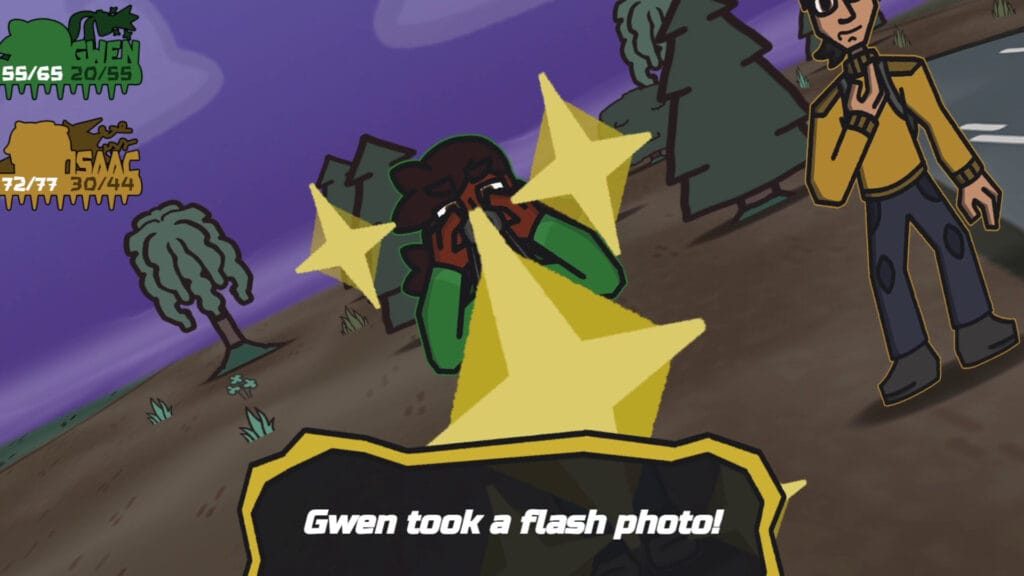
One of the more impressive aspects of Stitched Together is how it handles pacing.
It’s not overly grind-heavy. You do need to engage in combat to stay appropriately leveled, but it never demands excessive repetition. Enemy encounters are visible, allowing you to choose when to engage.
Difficulty is also flexible. There’s room for players who want a challenge, and an easier path for those more interested in the story.
The game respects different playstyles without compromising its structure.
Where the Seams Show
That said, it’s not without issues.
The most consistent complaint, and one echoed across multiple player experiences, is technical. Specifically, an audio issue where static builds up during longer dialogue sequences . It’s not universal, but when it happens, it’s distracting enough to pull you out of the experience.
There are also minor usability quirks.
- Interactions aren’t always clearly indicated
- Navigation between areas can feel inconsistent
- The fixed perspective occasionally obstructs visibility
None of these are game-breaking, but they add friction in places where the game otherwise feels polished.
A Game Full of Heart (And That Matters)
If there’s one thing that keeps coming up, both in my experience and in broader player impressions, it’s this:
Stitched Together has heart.
It’s in the writing. In the character interactions. In the way progression is tied to relationships rather than just numbers. It’s a game that clearly cares about its world and its cast.
And that sincerity carries it through its rougher edges.
The Verdict – A Charming RPG That Earns Your Time
Stitched Together doesn’t try to reinvent the RPG genre. Instead, it refines familiar ideas and adds just enough of its own identity to stand out.
It’s part JRPG, part puzzle adventure, part coming-of-age story.
And while it stumbles occasionally, especially on the technical side, what it gets right is far more important.
It’s engaging. It’s thoughtful. And most importantly, it’s memorable.
Score: 3.7 / 5
Pros
- Strong character writing and fully voiced dialogue
- Unique Fabric dimension mechanic adds depth to exploration
- Link system makes combat more strategic and relational
- Distinctive, charming visual style
Cons
- Noticeable audio bugs in longer dialogue sequences
- Occasional navigation and interaction clarity issues
- Fixed perspective may not work for everyone
If you’re looking for a story-driven RPG with personality and a few clever twists on the formula, Stitched Together is absolutely worth your time.
This review of Stitched Together is based on the PC version, with a code provided by Keymailer.
About the Author