Avinash Rohra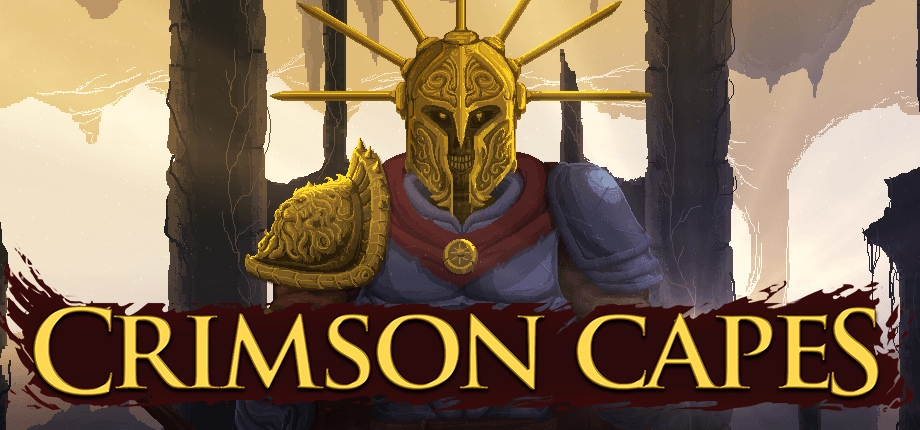
Soulslikes live and die by execution. You can borrow the cadence of stamina combat, the weight of parries, the ritual of corpse retrieval, but unless your systems interlock with intention, you are simply rehearsing someone else’s choreography.
Crimson Capes, developed and published by Poor Locke, does not lack systems. In fact, it may have more mechanical depth than its early hours suggest. What it struggles with is consistently translating that depth into a transformative experience.
This is a 2D sword-and-sorcery Soulslike set in the kingdom of Amvros, where a guild of witch hunters tracks down a conspiracy of mages who once attempted to overthrow the king. It is pulp fantasy through and through: capes dyed in blood, corrupted knights, illusionists, and blood mages pulling strings in the shadows.
Mechanically, it is far more layered than surface impressions imply.
A Guild, Not a Lone Wanderer
Unlike many genre peers, Crimson Capes is built around four playable heroes within the guild:
- Milon, the durable frontline leader with lightning-infused Recall.
- Skean, a pressure-heavy fighter who surrounds himself with flame.
- Feiyoun, an acrobatic bleed specialist who can turn invisible.
- Jonai, a swift prodigy whose Recall boosts speed and damage.
Each hero carries distinct stat profiles and combat identities. This is not cosmetic variation; it meaningfully alters approach. Milon favors heavier commitments. Feiyoun rewards aggressive bleed stacking. Jonai leans into tempo and precision.
You can switch heroes at rest points, reinforcing the idea that this is a tactical guild, not a solitary knight’s journey.
Combat: More Than Dodge and Swing
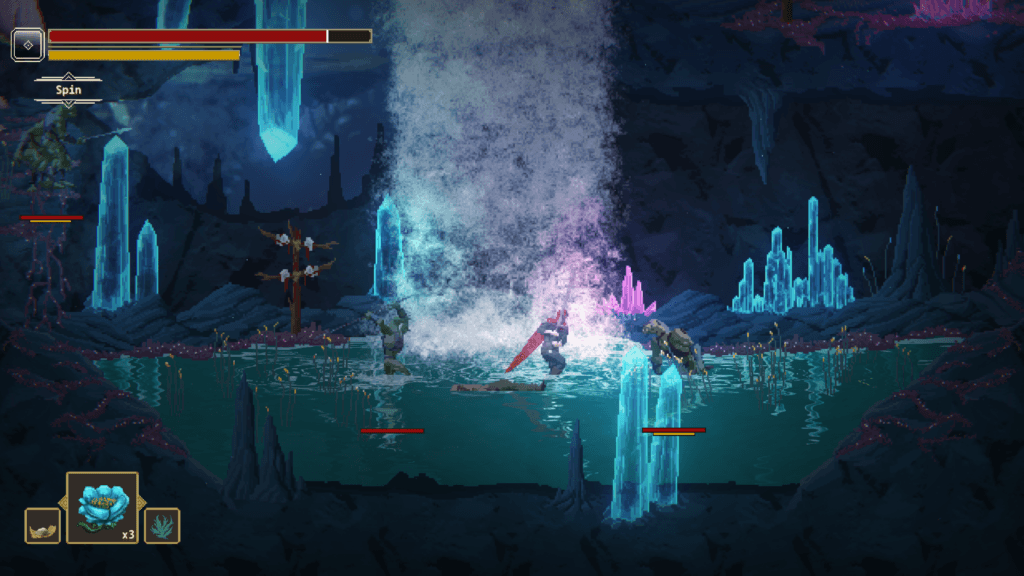
At its core, combat adheres to Soulslike fundamentals. Light attacks are faster and harder to deflect but weaker. Heavy attacks are slower and riskier, yet deal more damage. Physical attacks can be deflected; magical ones must be dodged. Enemies possess both health and stamina bars, and breaking stamina sets up critical hits after a successful deflect.
Beneath that familiar rhythm lies something more intricate.
Combat Flow
One of the most interesting systems is Combat Flow. If you land a hit and precisely time your next input on confirmation, rather than mashing, your subsequent attack accelerates. Sustain the rhythm and you enter a flowing chain of increasingly faster strikes. Break the timing, and you drop out of the flow.
It is subtle, but it adds a rhythmic skill ceiling that rewards execution rather than brute repetition.
Composite Moves and Disciplines
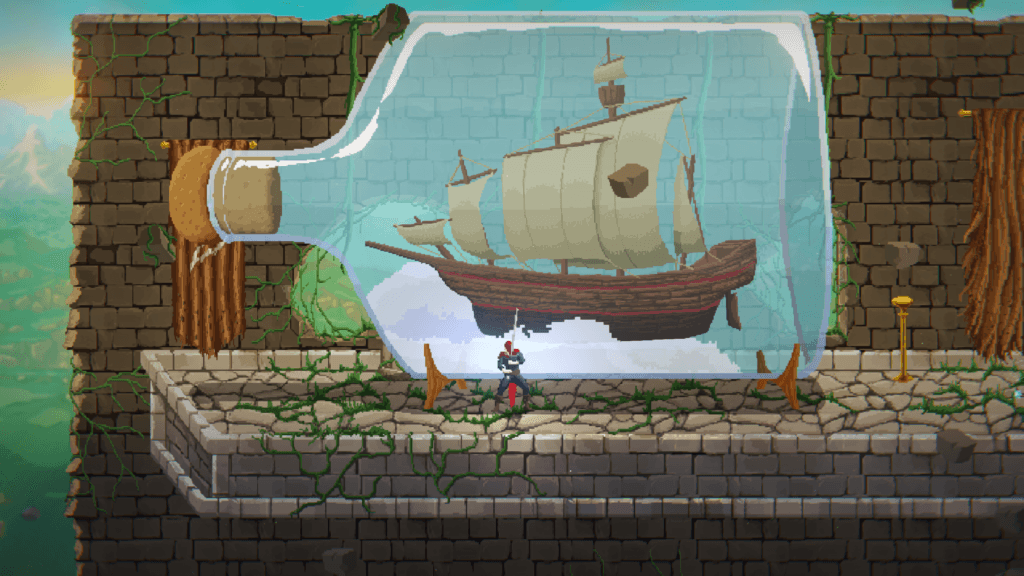
Beyond normal attacks, each hero unlocks up to four Composite Moves, directional plus attack inputs that can inflict bleed, daze, stamina drain, or unblockable pressure, depending on the move.
Then there are Combat Disciplines, stance-based abilities executed in two steps: enter stance, then choose a Light or Heavy finisher. If you spend Charge, a secondary resource, the Discipline amplifies and leaves a visible aura trail.
Crucially, Disciplines and even feints can be canceled into deflects, dodges, or composite attacks. Add in Deflect Cancels, Discipline Cancels, Recall Cancels, and Stunlock Escape mechanics, and you have a combat engine that supports layered decision-making.
Mechanically, this is not a shallow game.
The frustration lies elsewhere.
When Systems Outpace Encounter Design
The campaign does not always demand the full expression of these systems. Many encounters can be solved through conservative bait-and-punish loops. Boss fights, and there are over twenty-five, occasionally shine with mechanical clarity, forcing stamina breaks and disciplined timing.
Just as often, difficulty spikes stem from cramped environments or multi-enemy pressure rather than sophisticated behavioral design.
There is depth here. The game simply does not always push you to use it.
Exploration and Hunts
Rest points take the form of Turquoise Flowerbeds, which heal, save, respawn enemies, and unlock fast travel. The world opens non-linearly as you pursue conspirators in flexible order, though progression rarely feels architecturally surprising.
Lore arrives via Blood Memory, as your Crimson Cape absorbs memories from fallen enemies, gradually revealing the kingdom’s history.
There is also a surprising late-game addition: Hunts, procedurally generated zones with their own bosses and unique equipment rewards. These RNG dungeons extend replayability and give build experimentation room to breathe beyond the main campaign.
You can even tame a Black Wolf companion who assists in combat after being discovered and fed, a small but meaningful mechanical layer that changes certain engagements.
Multiplayer and Risk
Online functionality mirrors classic Souls structure: host and cooperator lobbies, and PvP invasions by “Deathblades.” Boss kills in co-op restore healing resources, encouraging coordinated progression. It is a faithful 2D translation of familiar multiplayer tension.
Art and Atmosphere
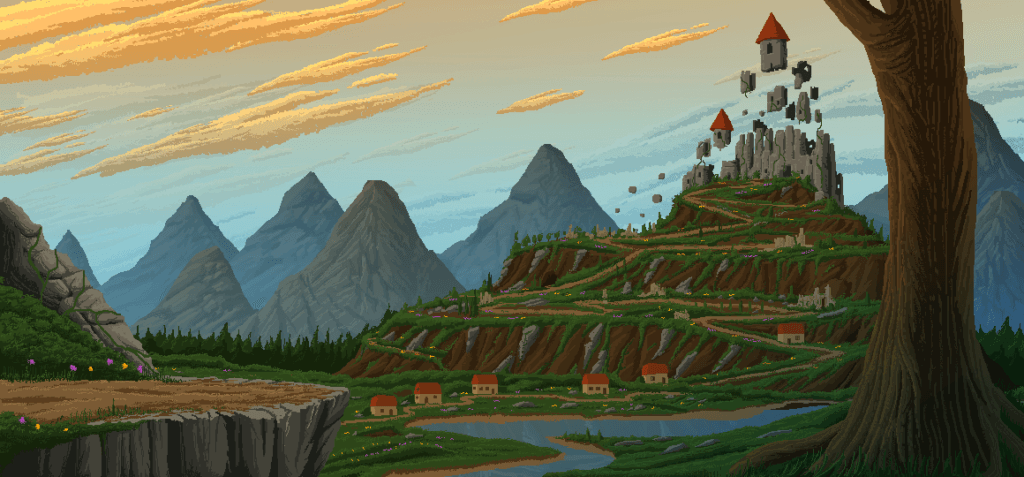
Visually, Crimson Capes excels. Rotoscope-inspired animation gives characters grounded movement rarely seen in pixel-based Soulslikes. Environments are hand-drawn, steeped in pulp fantasy, Conan by way of decaying Europe.
It looks distinctive. It feels committed.
Final Verdict – 3/5
Crimson Capes is mechanically ambitious. Combat Flow, cancel systems, multi-hero builds, procedurally generated Hunts: these are not surface-level inclusions. There is design intelligence here.
What holds it back is consistency. The campaign does not always extract the full potential of its systems, and encounter pacing can feel uneven. The result is a game that impresses on paper and in moments but rarely sustains transcendence.
It understands the Soulslike formula deeply.
It just does not always bend it far enough to carve its own legacy.
This review is based on the Steam version, with a code provided by the game’s publishers.
About The Author