Avinash Rohra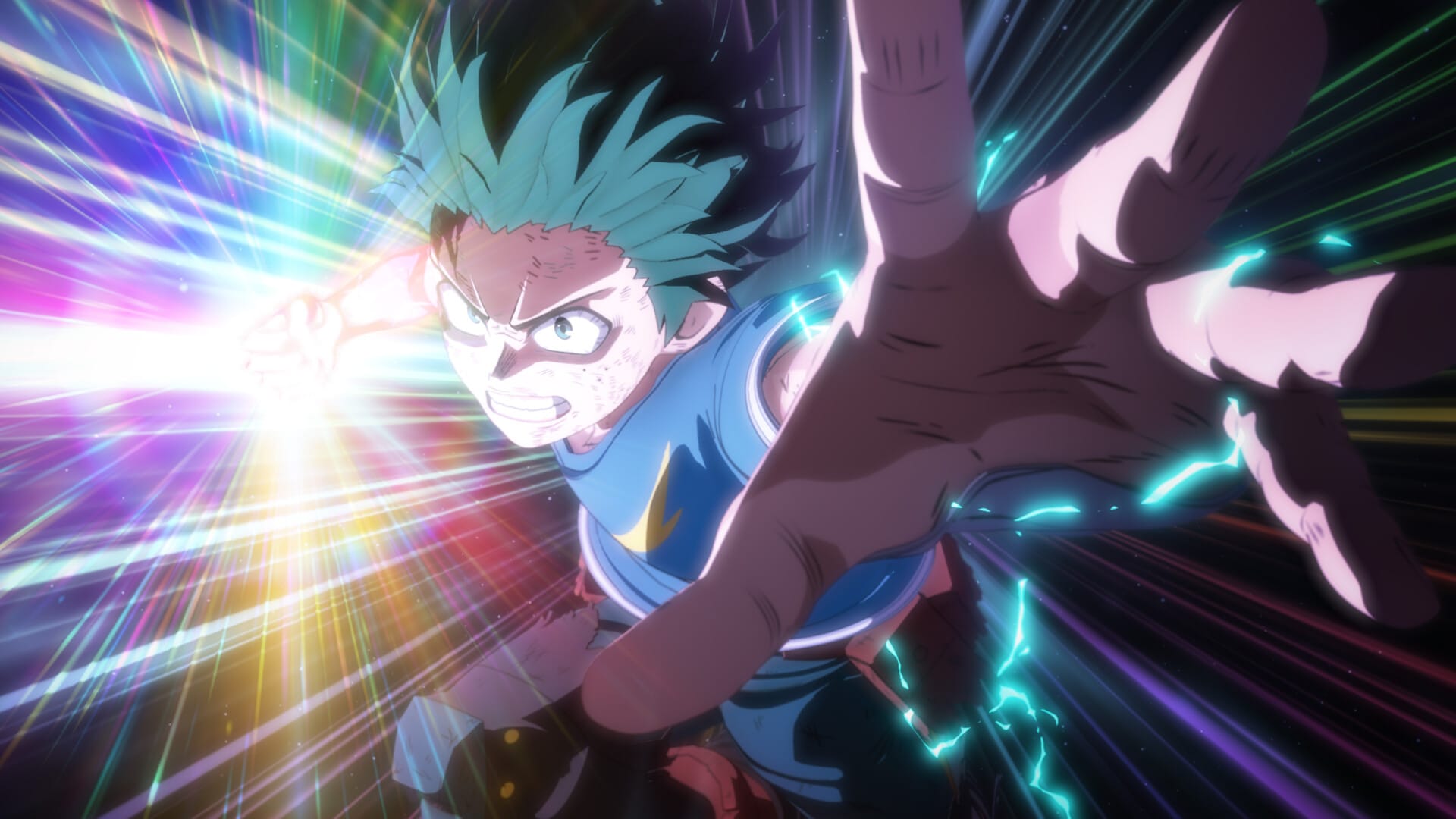
I spent just over thirty hours with My Hero Academia: All’s Justice on PC before I allowed myself to write a single sentence about it. Thirty hours of ranked matches, story chapters, side missions, and late-night lab sessions in training mode, testing frame data and combo routes until my hands moved on muscle memory alone. Then came the drafts – three of them – each trying to reconcile my affection for Kohei Horikoshi’s superhero universe with the cold precision required of a fighting game critique.
Anime arena fighters carry baggage. They promise spectacle but often deliver repetition. They sell fantasy but frequently trade depth for accessibility. I went into All’s Justice wary – not because I dislike My Hero Academia, but because I’ve been burned before by adaptations that mistake brand power for mechanical rigor.
And yet, somewhere between a perfectly timed Detroit Smash and a last-second Plus Ultra reversal, I found myself smiling.
This is not the genre’s revolution. It is not flawless. But it is, against my initial skepticism, a surprisingly confident, occasionally thrilling superhero brawler that earns its score through sheer commitment to its source material – and just enough mechanical ambition to matter.
My Hero Academia: All’s Justice is the latest arena fighter adaptation of Kohei Horikoshi’s long-running superhero saga. Developed by Byking Inc. and published by Bandai Namco Entertainment, it positions itself as a culmination of the series’ climactic Final War arc, packaging high-stakes confrontations, a large playable roster, and multiple side modes into one cinematic brawler.
A Story Built for the Arena
The central draw of All’s Justice is its adaptation of the anime’s Final War storyline. Major confrontations between heroes and villains in decisive, world-altering battles are recreated through a blend of in-engine cutscenes and playable encounters. For longtime followers of the franchise, this framing carries immediate emotional weight.
The pacing, however, is compressed. The structure prioritizes momentum over nuance, moving quickly from one headline confrontation to the next. There is little downtime between set pieces, and character introspection often gives way to escalating combat. This approach keeps the experience energetic but sometimes flattens emotional arcs that unfolded more gradually in the source material.
That said, the presentation remains faithful. Key rivalries are intact, and character motivations are clear. The game does not reinterpret the story so much as condense it into an accessible, action-driven format. For invested players, this feels purposeful. For newcomers, it may feel like stepping into the middle of an ongoing saga without full context.
Combat That Prioritizes Accessibility
At its core, All’s Justice is a 3v3 3D arena fighter. Players assemble teams of three heroes or villains and engage in fast-paced battles across open arenas. Fully three-dimensional movement, dash mechanics, aerial engagements, and team switching form the backbone of the combat system.
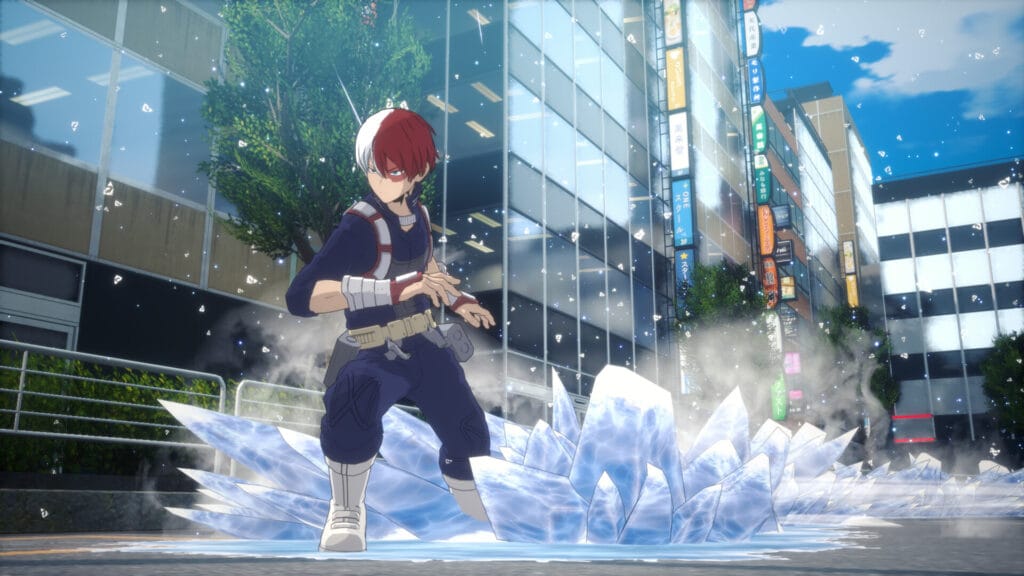
The most immediate strength is clarity. Controls are intuitive, allowing new players to execute flashy Quirk attacks within minutes. Signature moves are visually distinct and carry the dramatic flair expected of a superhero brawler. Team switching adds tactical flexibility, enabling players to extend pressure or reposition strategically.
However, accessibility comes at a cost. While there are layers, including meter management, assist timing, and spacing awareness, the mechanical depth plateaus sooner than expected. After mastering core combos and basic defensive tools, the room for discovery narrows. Character matchups offer strategic variation, but the overall combat loop rarely evolves in ways that surprise seasoned players.
It is enjoyable, certainly, but not transformative.
Roster Diversity and Identity
One of the game’s strongest elements is its roster design. U.A. students, Pro Heroes, and villains are represented with distinct move sets that reflect their Quirks and personalities. Mobility-focused characters feel different from those centered on ranged control or brute force.
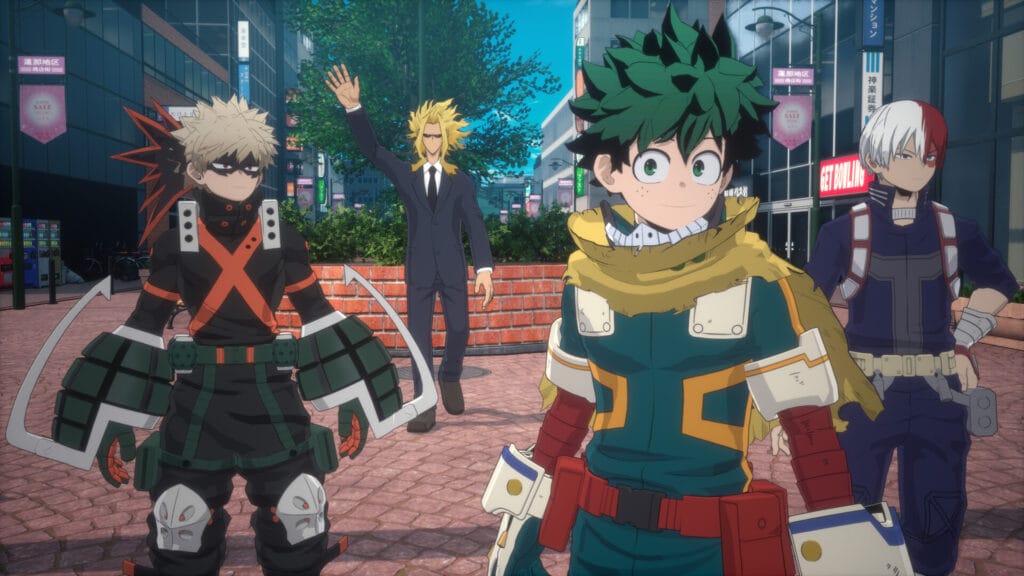
Importantly, the differentiation goes beyond cosmetics. Some characters excel at zoning and space denial, while others reward aggressive rushdown play. Team composition matters, as pairing complementary abilities can extend combos or create defensive synergy.
Despite this variety, certain archetypes overlap in function. As more characters are explored, patterns emerge. This does not undermine the roster’s appeal, but it limits how radically different each team feels in practice.
Modes Beyond the Main Campaign
Beyond Story Mode, All’s Justice includes several additional offerings designed to extend playtime:
- Team Up Missions, which present combat scenarios built around objective completion.
- Archive Battles, allowing players to revisit iconic clashes from earlier arcs.
- Hero’s Diary, unlocking character-focused content through progression.
These additions broaden the experience beyond a single linear campaign. Team Up Missions, in particular, introduce structural variation by tying combat to specific goals rather than simple elimination.
Over extended sessions, however, repetition becomes noticeable. Objectives do not always evolve meaningfully, and some side content lacks the narrative intensity of the main storyline. The modes provide quantity, but refinement varies.
Visual Fidelity and Audio Design
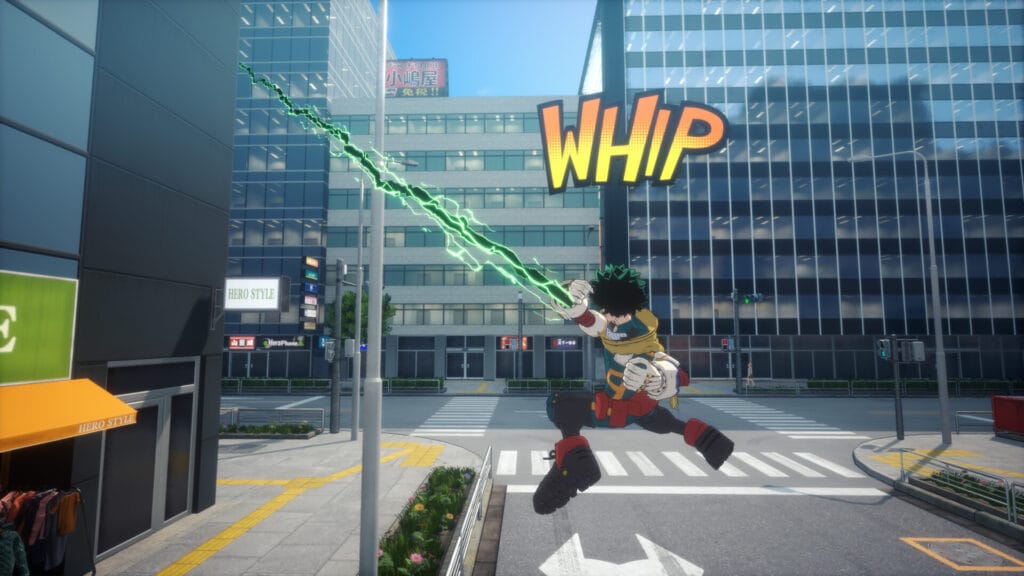
On PC, All’s Justice remains visually faithful to its anime roots. Cel-shaded character models capture expressive facial animations and dynamic attack effects. Quirk activations burst with color and exaggerated motion, preserving the series’ larger-than-life tone.
Performance on a mid-range system remains stable, even during chaotic multi-character sequences. Load times are brisk, and graphical settings allow customization without obvious compromises in visual clarity.
Environmental design, while serviceable, does not always match the polish of the character models. Arenas function effectively as combat spaces but rarely become memorable in their own right. They frame the action rather than define it.
Where the Experience is held back
The game’s primary limitation lies in its reluctance to push beyond established arena fighter conventions.
Combat, though polished, does not significantly expand the genre’s design language. Arena layouts remain largely cosmetic in mechanical impact, and environmental interactions are minimal. Narrative pacing favors speed over depth.
Online functionality on PC is functional but inconsistent. Match quality can vary depending on connection stability. Competitive play is viable, but it lacks the infrastructural robustness seen in dedicated esports-focused fighters.
None of these issues are fatal flaws. Collectively, however, they define a ceiling the game never quite surpasses.
Personal Impressions from the PC Arena
Across dozens of matches, story encounters, local bouts, and online skirmishes, the experience remained consistently engaging, even if it did not continually evolve.
The first few hours are exhilarating. Quirk effects erupt across the screen, team synergy feels empowering, and clutch finishes create genuine adrenaline spikes. That energy sustains momentum for a significant stretch.
As hours accumulate, patterns become familiar. The rhythm of dash, engage, combo, assist stabilizes. What initially feels chaotic gradually feels rehearsed.
The game thrives in shorter bursts. Extended sessions reveal its mechanical boundaries more clearly.
Longevity and Value Proposition
Replayability depends largely on multiplayer engagement and character experimentation. Players invested in mastering specific team compositions will find reasons to return. Casual fans may be satisfied with unlocking cosmetics and revisiting favorite characters.
The campaign’s condensed structure and limited systemic evolution mean long-term retention depends heavily on how much players enjoy the core combat loop. For franchise devotees, that may be enough. For others, longevity may taper sooner.
Pros
- Faithful adaptation of the Final War arc
- Accessible, visually exciting combat
- Diverse roster with distinct identities
Cons
- Condensed storytelling limits emotional depth
- Combat systems plateau in complexity
- Online performance inconsistencies
- Story mod rarely surprises longtime fans
Final Verdict:
My Hero Academia: All’s Justice does not transcend its genre, but it does not falter within it.
It is polished, mechanically thoughtful in places, occasionally repetitive, and undeniably faithful to its source. It respects the fantasy of heroism while cautiously expanding the arena fighter template.
If you expect the next evolutionary leap in competitive design, you may leave underwhelmed. If you embrace its layered systems, strong character identity, and high-impact spectacle, you will find something worthwhile.
Sometimes being a hero is not about rewriting the rules. Sometimes it is about executing them well.
Mechanical depth, narrative pacing, and side content refinement remain solid rather than exceptional. Fans eager to step directly into the Final War and command their favorite Quirks in motion will find a satisfying package. Players searching for a bold evolution in arena fighter design may find its ambitions measured.
Score: 3.8 / 5
This review is based on the Steam version, with a code provided by the game’s publishers,
About the Author