Avinash Rohra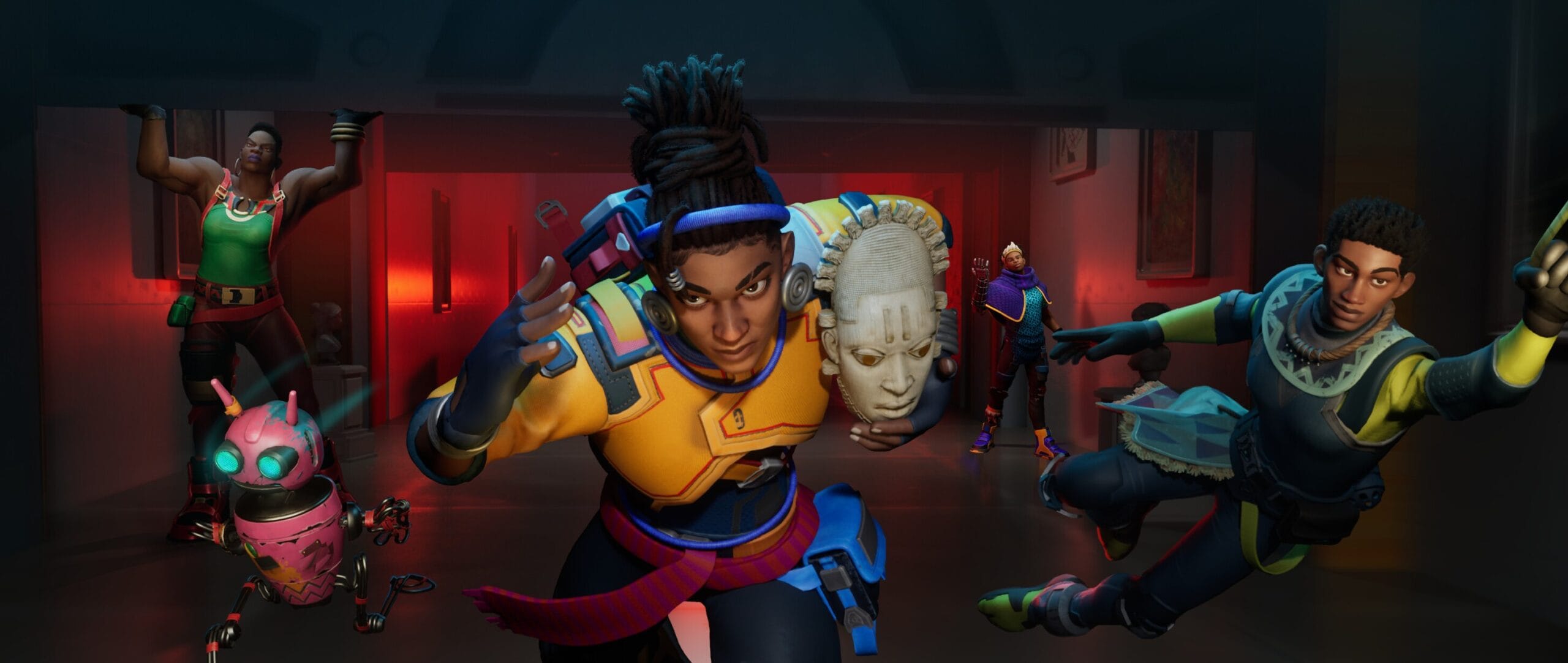
I put just under twenty hours into Relooted on PC. That might not sound monumental, but for a focused heist platformer, it is deliberate time. I replayed missions with different crew combinations. I optimized escape routes. I restarted runs not because I failed, but because I wanted to understand whether the systems were elastic or simply rehearsed.
I also rewrote this review twice.
As someone who has covered stealth hybrids and platforming heist games for years, I approached Relooted with cautious curiosity. The premise, reclaiming African artifacts from Western institutions in a near future shaped by a restitution treaty, is bold. It immediately signals cultural weight. But bold premises can sometimes mask mechanical thinness.
I wanted to see whether this game was carried by its idea or strengthened by its design.
I Was Skeptical – And Not About the Politics
My initial hesitation was not about the theme. It was about sustainability.
The structure reveals itself quickly: scout a location, plan your approach using crew abilities, secure the artifact, and execute a high-speed escape. It is clean, readable, and satisfying early on. The first museum infiltration clicks almost immediately. You understand guard patterns, disable obstacles, and then sprint through an escape corridor as alarms flare.
It works. But it is also familiar.
I worried that I had already seen the full arc within the first two hours. The loop was elegant, but would it deepen? Would later missions meaningfully complicate the formula or simply repackage it?
Those questions lingered well into the mid-game.
The Moment It Started to Feel Cinematic
What changed my perspective was not a narrative twist. It was choreography.
Around my fifth or sixth heist, I stopped treating planning as a checklist and started treating it as momentum engineering. I placed teammates not just to disable obstacles, but to shape the rhythm of my escape. I visualized jumps in advance.
Then came a run where everything aligned.
The artifact was secured, alarms triggered, and I sprinted through a route I had carefully constructed. Wall jumps chained cleanly. A drone barely missed me because I had opened a side passage earlier. I reached the final exit with seconds to spare.
For a brief stretch, Relooted felt like a perfectly executed action sequence that I had authored myself.
That is when I understood its strength: cohesion. Scouting feeds planning. Planning feeds execution. Execution rewards foresight.
It is not shallow. It is disciplined.
The issue is that it rarely escalates beyond that realization.
A Story That Grounds the Heist
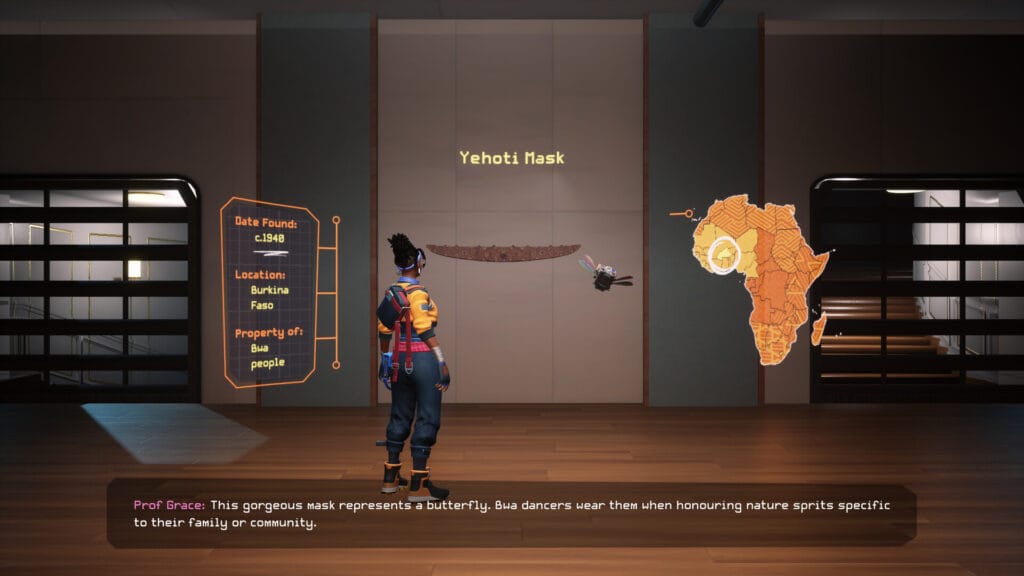
Nomali and her crew are not stealing for profit. They are reclaiming real, historically significant African artifacts. The game treats these objects with contextual respect, framing each recovery as restoration rather than plunder.
That thematic backbone matters. It reframes every mission emotionally. You are not chasing score multipliers. You are participating in an act of narrative correction.
The hideout hub reinforces that tone. It feels communal and intentional rather than flashy. The Africanfuturist aesthetic, with its vibrant color palettes and grounded character design, gives the game an identity separate from generic stealth platformers.
Still, the narrative arc remains measured. Character dynamics are warm but rarely explosive. Emotional beats land softly rather than dramatically. The premise is powerful, yet the story itself does not fully capitalize on its potential intensity.
It is thoughtful, not transformative.
Mechanics That Work – But Do Not Mutate
From a systems standpoint, Relooted is cohesive. The three-phase heist structure remains clear throughout. Crew abilities meaningfully influence traversal options. Movement on PC is responsive, whether using a keyboard or controller. Sprinting, vaulting, and chaining jumps feel smooth once internalized.
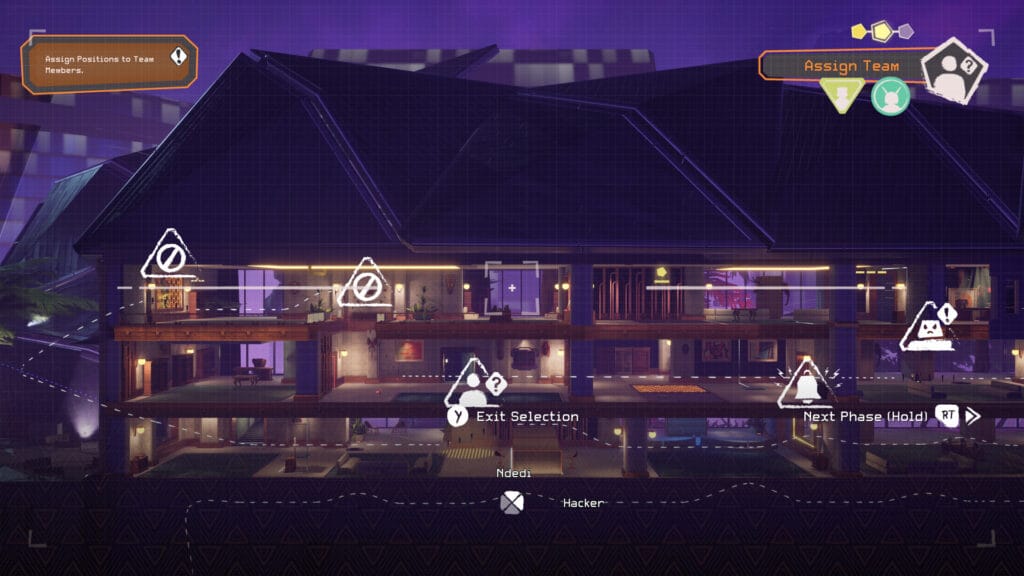
Here is the consistent friction point: growth.
Later missions introduce new layouts and variations, but they rarely redefine your approach. I kept waiting for a mission that would fundamentally disrupt the formula: a layered objective, a shifting escape route, an unexpected mechanical complication.
The game instead opts for refinement rather than reinvention.
That restraint keeps it stable, but it also keeps it contained.
Movement That Deserves Bigger Risks
Nomali’s parkour is easily the most satisfying mechanical element. Momentum builds quickly when you commit to it. Hesitation is punished, and confidence is rewarded.
During late-game escapes, I felt flashes of brilliance. The system is strong enough to support more verticality, greater environmental complexity, and more dramatic route variation.
But environments often feel constructed to serve the loop rather than to challenge it. They are functional arenas, not evolving playgrounds.
The potential for something greater is visible. It simply remains partially unrealized.
Presentation and Performance
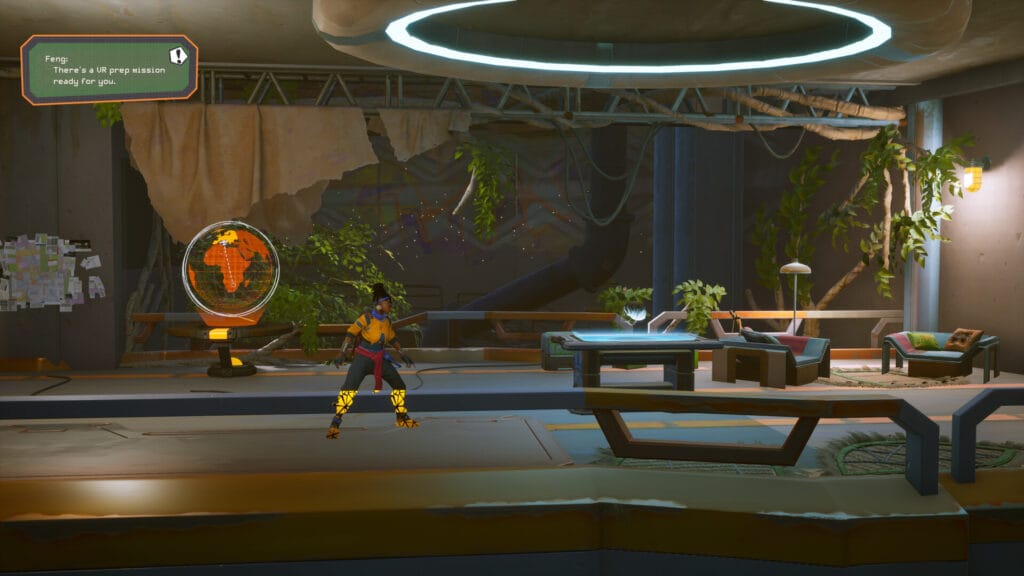
Visually, the game’s stylization works in its favor. Museums feel sterile and institutional; the crew’s base feels lived-in and warm. The contrast subtly reinforces the narrative context without heavy-handed exposition.
The soundtrack supports both halves of the experience, offering tension during planning and urgency during escape sequences. It never overwhelms, but it reinforces pacing.
On PC, performance was stable throughout my time with it. Frame pacing held steady during high-speed escapes. Controls remained precise. I encountered no major technical disruptions.
Technically, it is polished.
The Aftertaste
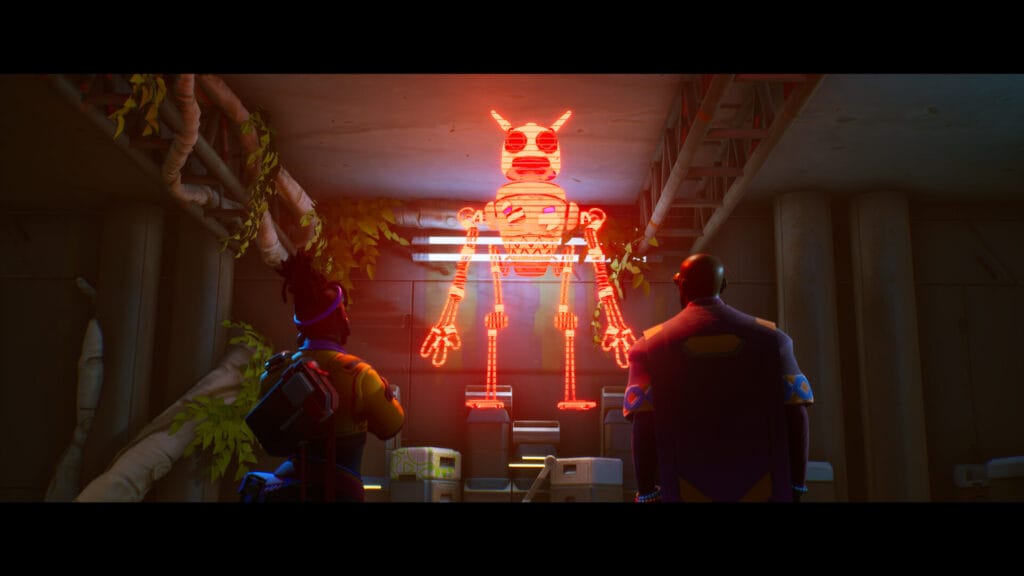
By the end of my time with Relooted, I felt more reflective than exhilarated.
This is a good game with a strong heart. Its premise is culturally meaningful. Its systems are clean and readable. Its parkour feels satisfying in bursts.
But it never fully transforms into the ambitious mechanical crescendo I hoped it would become.
I admired it deeply.
I enjoyed it consistently.
I just wished it had taken one more daring leap.
Score: 3.5/5
If you care about games that attempt to reframe history through interactive design, Relooted is worth playing. Approach it expecting disciplined cohesion rather than explosive evolution.
This review is based on the Steam version, with a code provided by the game’s publishers.
About the Author