Avinash Rohra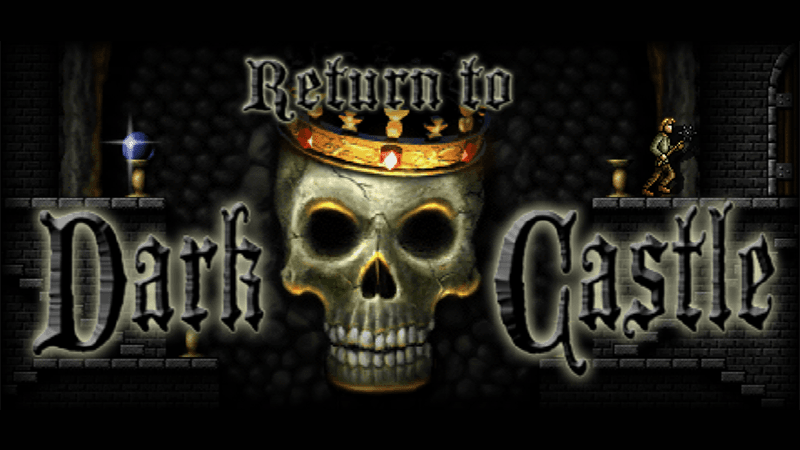
I went into Return to Dark Castle expecting a polished revival. What I found over roughly 14 hours on PC was something more layered, a release that doesn’t just revisit the past, but reorganizes it into something larger and more demanding.
This isn’t a straight remake. It’s a composite experience: remastered versions of Dark Castle (1986) and Beyond Dark Castle (1987), folded together with a substantial amount of new content into a single, cohesive structure. That context matters, because the way the game unfolds and the expectations it places on you only make sense once you recognize that you’re not playing a linear update, but a reconstructed legacy.
The Resistance Is Intentional
The first hour is still hostile in the way only older platforming design can be. Movement is deliberate. Inputs demand commitment. There’s no onboarding layer easing you into its systems; you learn by failing, repeating, and adjusting.
That hasn’t changed, and it shouldn’t. The series has always been built on precision over forgiveness, and this version preserves that identity explicitly.
But what initially feels like rigidity starts to settle once you realize the game isn’t withholding information, it’s expecting observation. Enemy patterns are fixed. Hazards behave consistently. The structure is strict, but not arbitrary.
What’s Actually New – And Why It Matters
The biggest misconception about this release is that it’s primarily a visual upgrade. It isn’t.
This version includes over 80 levels, combining 30 remastered stages from the original games with 50 entirely new levels. Those new levels aren’t side content; they’re integrated into a full new quest, fundamentally expanding the scope of the experience.
You feel that expansion immediately in pacing. The remastered levels establish rhythm, teaching you how to read enemy timing, how to position, how to survive. The newer levels assume you’ve internalized that and begin to compress your decision-making.
Enemy encounters become denser. You’re no longer isolating threats; you’re managing overlapping ones. Platforming sequences leave less room for hesitation. The game starts asking for fluid execution instead of careful planning.
There are also new monsters, bosses, weapons, and power-ups layered into these sections. None of them break the core design, but they extend it just enough to keep you from relying purely on memory. You’re still operating within the same rule set, but the variables shift.
Even the inclusion of randomized labyrinth segments adds a rare element of unpredictability to a game otherwise built on fixed patterns. It’s a small addition, but it disrupts complacency in a meaningful way.
Visuals That Clarify, Not Transform
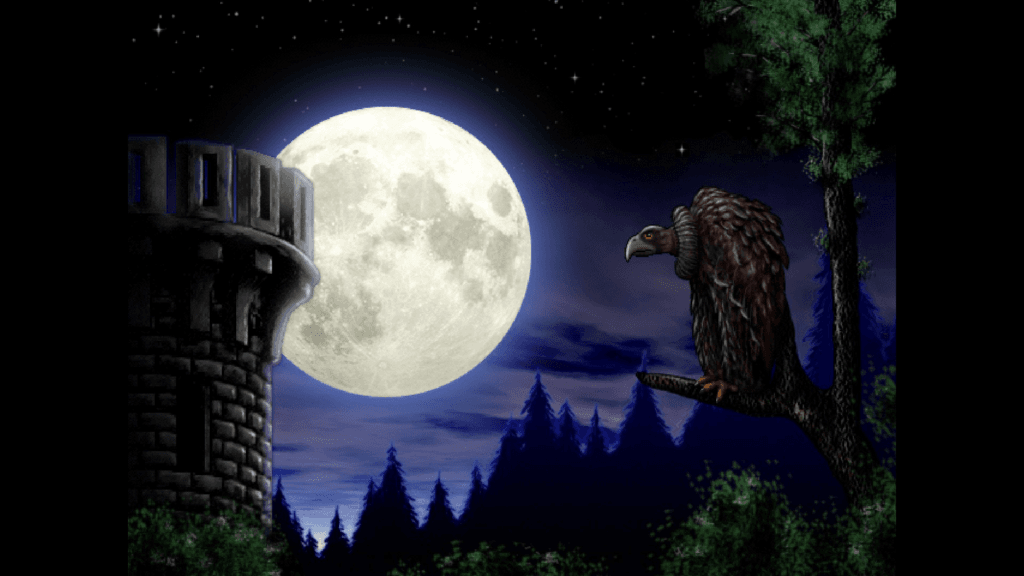
The updated presentation is immediately noticeable, but it’s best understood as functional refinement rather than reinvention. The remastered versions of the original games are presented in color, with cleaner, more readable assets.
That clarity changes how you engage with the game. Hazards are easier to identify. Enemy silhouettes stand out more distinctly. Platform edges are clearer.
This doesn’t reduce difficulty; it removes ambiguity. When you fail, it’s rarely because you misread the screen. It’s because you misjudged timing or positioning.
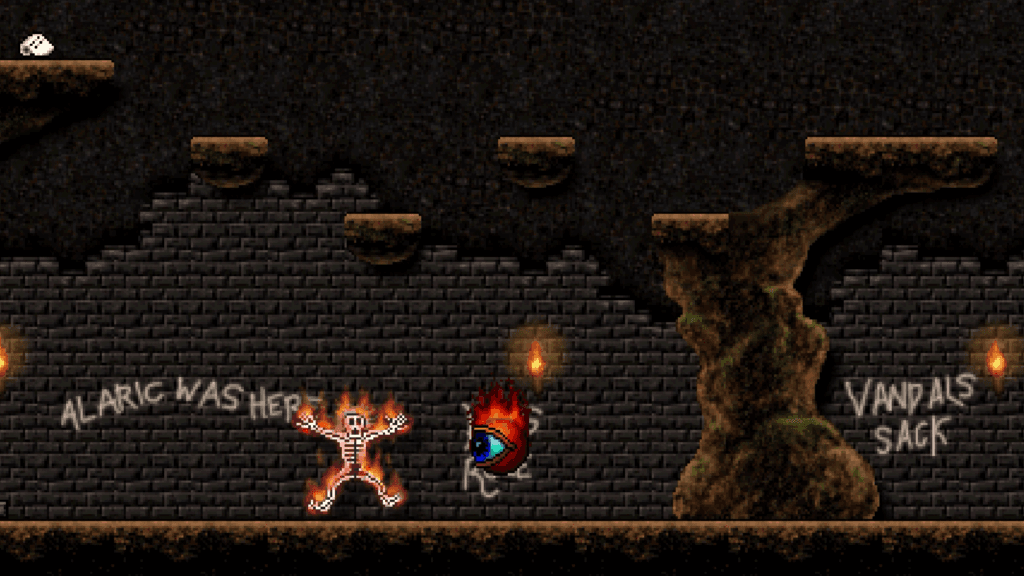
That distinction is subtle, but it fundamentally shifts the experience from feeling opaque to feeling exact.
Design That Still Refuses to Bend
Despite the expanded content and improved presentation, the core philosophy remains intact. This is still a precision platformer built on repetition and mastery.
The game doesn’t scale difficulty through spectacle. It scales through density and expectation. By the time you reach later sections, especially within the newly added levels, you’re expected to act decisively, not cautiously.
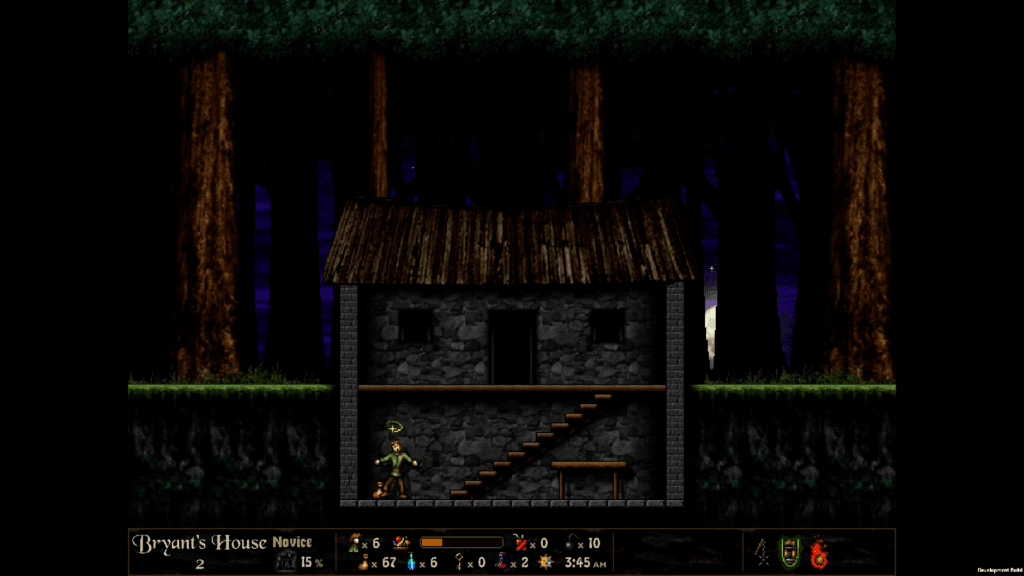
There’s no safety net layered over that. No assist systems. No soft corrections. The game remains consistent in its demands, even as it grows in scope.
A Quietly Broader Experience
What surprised me most is how much broader this release feels without announcing it loudly. Features like collectibles, hidden rooms, and replay recording add layers of engagement without disrupting the core loop.
The castle no longer feels like a sequence of challenges; it feels like a system you can explore, optimize, and revisit with intent.
That added depth doesn’t change the identity of Return to Dark Castle. It reinforces it.
The Moment It Clicked
There was a point late in the game, deep into one of the newer sections, where everything tightened. Multiple enemies, limited space, no margin for hesitation.
I failed repeatedly, not because the game was unclear, but because I wasn’t precise enough.
When it finally came together, it didn’t feel like overcoming difficulty. It felt like alignment, like I had finally met the game on its own terms.
That’s what this version does best. It removes excuses and leaves only execution.
Final Verdict
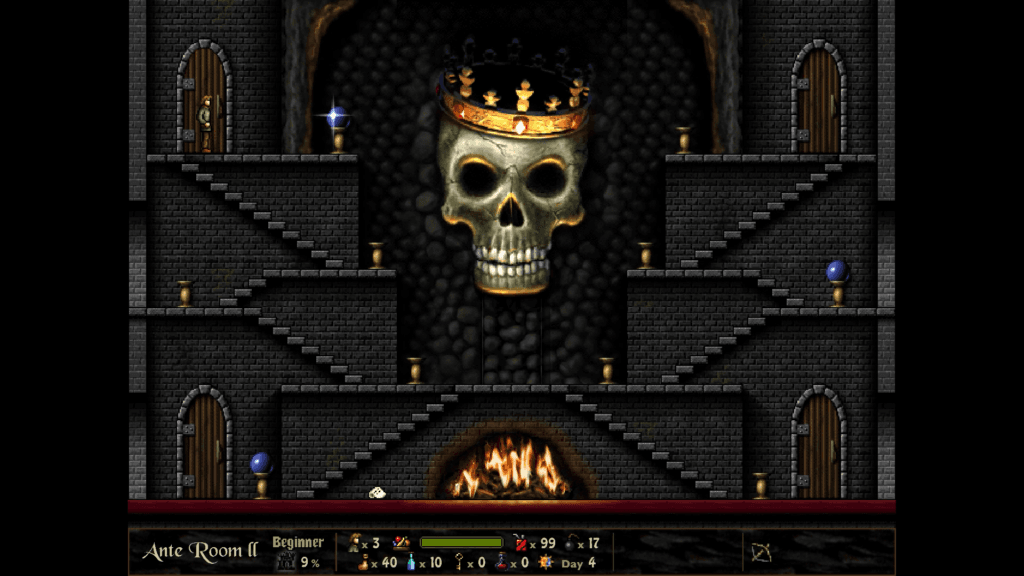
Return to Dark Castle isn’t just a revival; it’s a complete package that preserves, expands, and sharpens a classic design. The remastered originals provide the foundation. The 50 new levels extend it meaningfully. The updated presentation makes it clearer without making it easier.
It demands patience. It demands attention. And it rewards both.
Score: 4/5
Pros
- Substantial content: remastered classics + 50 new levels
- Cleaner visuals improve readability without reducing challenge
- Consistent, precision-driven design
Cons
- Steep learning curve with minimal onboarding
- Deliberate movement may feel restrictive
- Limited evolution beyond core mechanics
This isn’t nostalgia dressed up for modern hardware. It’s a classic rebuilt to test whether you still have the patience to understand it.
This review of Return to Dark Castle is based on the PC version, with a code provided by the game’s publishers from Keymailer.
About The Author