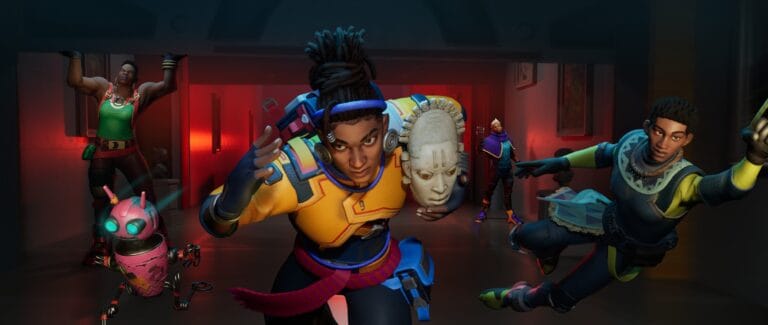
The Question That Kept Him Awake for 30 Years: Creating Simon the Sorcerer: Origins – A Conversation with Massy Calamai
 Avinash Rohra
 Five Years, One Dream: Resurrecting British Gaming’s Most Beloved Cynic
After three decades of dormancy, Simon the Sorcerer has returned not as a nostalgic cash-grab, but as a genuine love letter to the golden age of point-and-click adventures. Behind this resurrection stands Smallthing Studios, an Italian indie team that spent five years meticulously crafting Simon the Sorcerer: Origins, a prequel that answers burning questions while respecting the mysteries that made the franchise magical.
In our review, we scored Origins a remarkable 4.7/5, praising Chris Barrie’s triumphant vocal return, the emotionally resonant narrative, and puzzle design that respects player intelligence. But what drove these creative decisions? How does a small studio resurrect a cult classic without betraying what made it special?
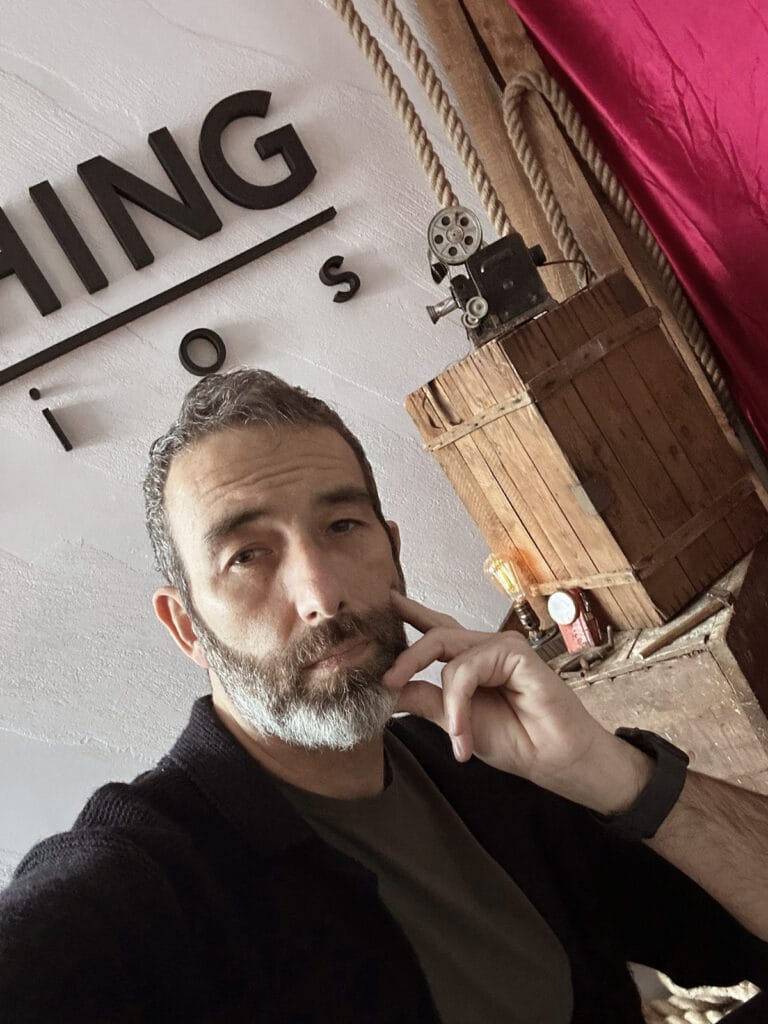
We sat down with Massy Calamai Founder, Game Director, and Designer at Smallthing Studios for an exclusive, in-depth conversation about the passion, challenges, and philosophy behind bringing Simon back to life. What emerged was a portrait of development as devotion: a team that refused to compromise their vision across five years of intense, emotional work.
This isn’t just an interview about game mechanics. It’s about understanding what happens when fans become creators, when childhood memories transform into professional ambition, and when the question “Why does Simon end up in the Wizarding World?” becomes an obsession that drives an entire studio.
THE INTERVIEW
1. Okay, I have to ask – which burning mysteries from Simon 1 and 2 kept you awake at night as fans, and which ones did you deliberately leave unsolved because some magic should stay mysterious?
It’s a question that evokes my youthful traumas, you know the ones that always stick in your head. Why does Simon end up in the Wizarding World? When I played the first Simon, I loved it for its personality, its distinct feel from the Lucas Arts and SIERRA titles. But every time I saw a photo online over the years, chatted with friends, or dusted off my copy on the shelf, it came back to me. Why does he end up in the Wizarding World? Because Chippy (the dog) notices these magical manifestations in the attic, and what is that book doing there?
2. Simon’s sarcasm was surgical in the 90s – cutting but never cruel. How did you walk that tightrope of keeping his wit sharp for modern audiences without neutering what made him brilliant?
Simon from the ’90s was brilliant, true. One of the first characters who seemed to have a personality that contrasted with the bon-ton, video game-esque style that more or less all the titles of the time had. His acidity truly reflected a pre-teen who hadn’t yet found his own confidence and reacted irreverently. So, we based ourselves on this, and it was natural to recreate exactly the same spirit, deepening it and simply avoiding those words or dialectical forms that would seem out of place today. Simon is still that irreverent brat, who will be fun to explore further.
3. Getting Chris Barrie back after 30 years… I’m genuinely emotional about this. What was that first recording session like, and how did you help him find teenage Simon’s voice versus the Simon we knew?
I wanted it at all costs. Chris Barrie is an iconic actor, a cult classic for the series. He’s not just a great voice actor, but a performer. When he walked into the studio, it was a thrilling moment. He’d already read the script and said he wanted to do it; he loved the story and how we’d written Simon.
He cleared his throat and began as if the Simon of 1993 was still inside him. It didn’t seem like dubbing, but rather stage acting. He interpreted, caricatured, and created emotional moments. A professional and a great person. At the end of the long sessions that lasted a few days, all our guys applauded him and were all moved to tears. Yes, I assure you, for new players it will be fantastic to hear him, and for fans of the series, it will be a thrill.
4. What was your elevator pitch moment? That one sentence that made everyone go “YES, this is exactly what Simon needs”?
I wanted emotion in the game. I wanted Simon to be sarcastic, yet subtly tell the story of an insecure boy and his fraught relationship with his mother. I was very careful to ensure all of this was handled with sensitivity and distance. We were in the qualitative testing phase with external players of various ages.
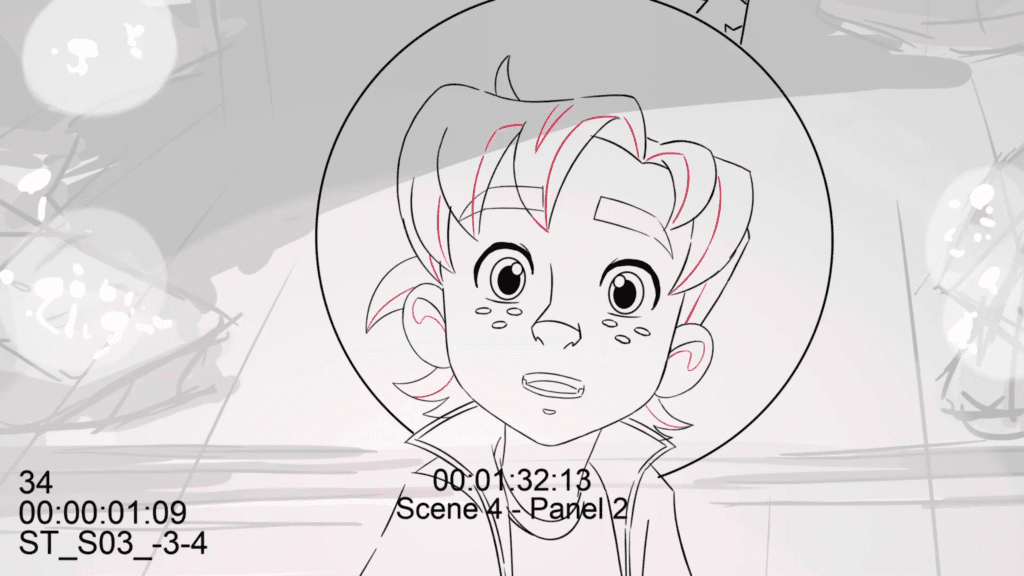
Two very young girls, seventeen years old, who didn’t know Simon, entered the closed testing room, so they wouldn’t be influenced. We observed.
They laughed, they exchanged opinions, they burst into laughter, and then at a certain point we saw them become emotional. Perhaps that was the moment when I somehow thought, yes, we’ve said something that evokes emotion.
5. Adventure Soft is collaborating with you to ensure authenticity – how involved are the original creators in validating your take on Simon’s world and humor?
They immediately fell in love with the story; at one point, Simon Woodroffe told us it was the best Simon since the first game. They checked the texts to make sure the humor was working and made minimal changes. Then I left them out for a bit because I wanted them to test the finished game. And when they tried it, they were thrilled. The entire project was handled entirely by Smallthing Studios.
6. The original games never dumbed down their British humor for anyone – it was gloriously, unapologetically itself. Please tell me you didn’t sanitize it for global markets.
Trust me, all the irreverent humor of the first Simon is still there, obviously in a form that is acceptable today, but it’s all there.
7. I need to know – how many Monty Python easter eggs are we talking about here? And please tell me there’s at least one Holy Grail reference hidden somewhere.
Haha, I can’t tell you anything. Origins is full of Easter eggs ranging from Monty Python, to Norse culture, fairy tales, fables, pop culture, and novels from Tolkien and Lewis, to references to events in Simon 1 that have yet to happen. Of course, if you don’t discover them or know about them, you’re still enjoying a great story. They’re hidden delights that we had fun disseminating in a narratively coherent way.
8. Every Simon fan has that ONE puzzle that made them rage-quit for months. Did you intentionally craft a successor to the infamous “mucusade” moment?
Haha, I don’t want to spoil anything, but let’s just say that ORIGINS is a very challenging game, but always logical and narratively coherent.
9. What’s your best “happy accident” story? The bug that was so perfect it became canon?
More than bug conditions, we sometimes had incredibly tough testing sessions, which involved checking everything about the game. These sessions sometimes lasted 4 or 5 hours straight, even though we knew everything exactly, so we solved every puzzle quickly (the game lasts about 10 hours for those who don’t know the solution). Well, we reached the final stage with terror: the last chapters have special conditions, and sometimes a specific bug we knew about right at the end which I can’t say for sure would cause us to stop testing, make some fixes or balance changes, and start again the next day. There was a point when Fabrizio Rizzo, the game designer, and I literally spent all night testing, and when we reached that stage, we were hoping everything would work fine.
10. The commitment to hand-drawn 2D animation feels like a love letter to the originals. Was there ever any pressure to modernize with 3D, or was traditional animation always the vision?
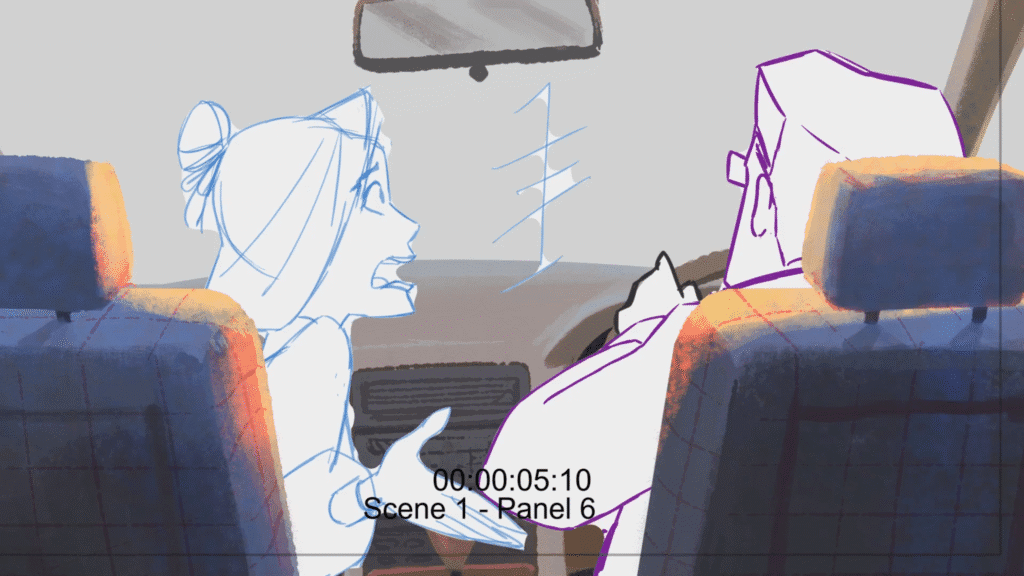
No, it wasn’t what I wanted from the start. I wanted to honor the series and create something iconic that looked like it was made in the ’90s, but not pixel art; that deserves to remain relevant. We ran months of testing the style, features, and effects to apply, until, despite all its strengths and weaknesses, we realized that creating Origins like a ’90s cartoon would be fantastic. We never budged from this idea in five years.
11. You’re making a prequel, which means Easter eggs that won’t pay off for 30 years. What breadcrumbs did you plant that’ll make longtime fans lose their minds?
It’s a prequel, but also a rebirth. For new players, it will be an exciting story with its conclusion. For fans, it will be fantastic to find connections with the first episode; Origins and Simon 1, you’ll see, despite being 30 years old, have an evocative continuity.
12. How do you explain Simon’s brand of cynical British fantasy to players who missed the 90s point-and-click revolution entirely?
Origins is a new story, a new game that carries with it all the flavor of the ’90s, yet is also a new, modern game. It’s a coin with two sides that seem stylistically distant but actually exist side by side. Origins will lead these players by the hand, showcasing a new sense of humor and introducing them to adventures with a modern twist, where fans will easily identify. We’ve worked hard to make the 30-year gap not so much imperceptible as noticeable. It’s a strange phrase, but you’ll understand once you play it.
13. Every adventure game developer has nightmares about ONE puzzle that nearly broke them. What was your “we might have to scrap everything” moment?
There’s a moment when Simon reaches the academy, where he’ll be new to magic. There’s a lot of comedy, but it’ll be tough: it’s a very logical phase, but it requires careful attention to how things are done. I think some players will find that moment difficult, but I assure you, everything is always logical. I like to think that there are games that require challenge and cunning; today, too many titles are banal and predictable, making the experience so flat that they forget to be fun, challenging, and satisfying when you solve the puzzle. I wanted Simon to be a game that requires commitment, and I think that phase will be one of the toughest.
14. Simon always mocked traditional heroism, but Origins showed him before he became that cynic. How does teenage idealism transform into adult sarcasm without betraying either version?
Origins is set a few weeks before the events of the first episode, so you’ll see, you’ll find exactly the Simon you left 30 years ago, only with more depth and acting.
15. Be honest – how much of this game is about Simon growing up, and how much is about us as fans coming to terms with our own relationship to childhood magic?
I can only be honest because I’ve been answering this question consistently for five years. I think we’ve given the fans a great gift. We’ve taken care of every aspect: music, sounds, voice acting, quotes, characters, narrative… truly every detail so that fans, at the end of 2025, can launch Origins and journey back to the magic of their childhood. As much as I wanted Origins to be a title for new players, I’ve never forgotten for a single day to honor the saga, and I’ve never forgotten that I myself am a fan of Simon.
16. Working on a beloved cult classic – was the pressure paralyzing or energizing? How did you stop second-guessing every dialogue choice?
Just energy, I love a challenge and I wanted to bring such a legendary title back today. Then Return to Monkey Island came out and there was a great exchange on Twitter (now X) with Ron Gilbert, this moment fueled even more energy and the desire to bring back this Legend of a title that is Simon. ORIGINS was a constantly intense, emotional, and passionate development journey.
When Fans Become Custodians
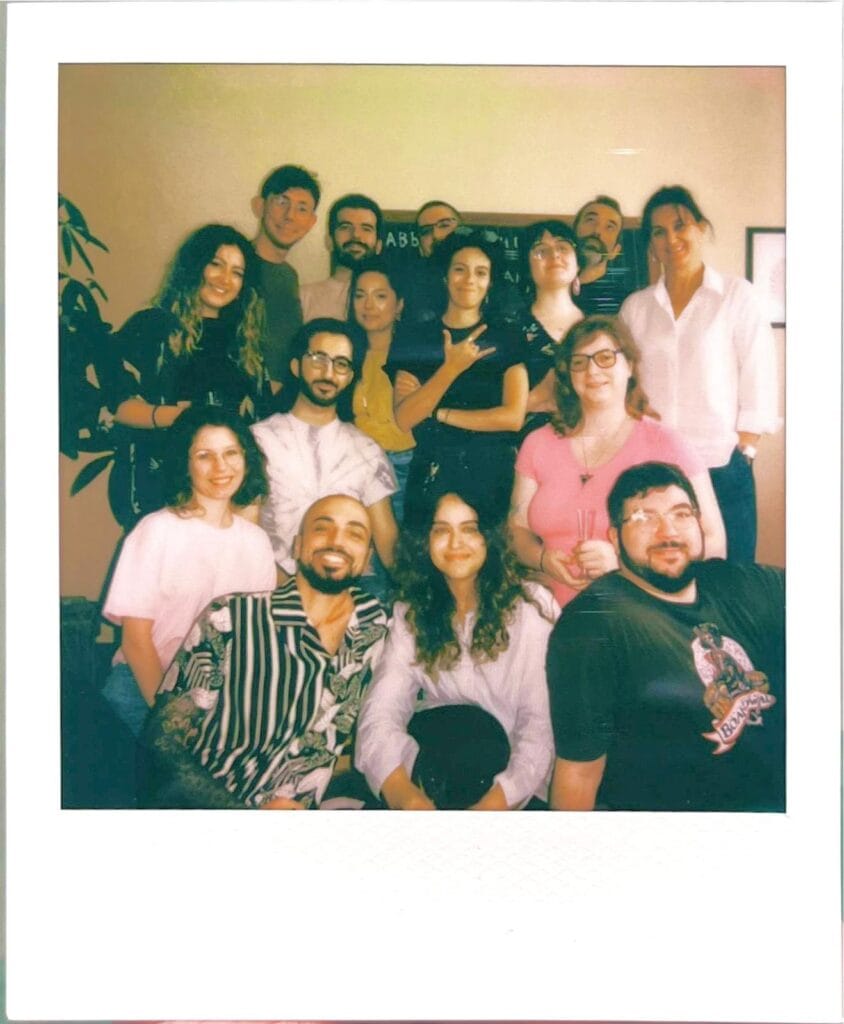
What emerges from this conversation is something rarely seen in modern game development: absolute devotion to source material married with creative ambition. Calamai and his team at Smallthing Studios didn’t just make a Simon game; they lived with Simon for five years, questioning every puzzle, every line of dialogue, every visual choice until it felt right.
The moments that stand out most aren’t about technical achievements or marketing strategies. They’re human moments: the entire studio moved to tears by Chris Barrie’s performance. Calamai and designer Fabrizio Rizzo spent all night testing the final chapters, terrified a single bug would break everything they’d built.
This is what franchise resurrection looks like when it’s done right. Not a corporate checklist exercise, but a labor of love from developers who understand what it means to be fans first. As we noted in our review, Origins earned its 4.7/5 score not through revolutionary innovation, but through honest execution bringing back what mattered while updating it for contemporary audiences.
Calamai’s philosophy shines through every answer: respect player intelligence, honor the source material, and never forget that you’re creating something for the fans who’ve waited three decades for Simon to return home. The result is a game that proves some spells never lose their power, even after thirty years.
Simon the Sorcerer: Origins is available now on PC, PlayStation, Xbox, and Nintendo Switch.
For our complete review of Simon the Sorcerer: Origins, including detailed analysis of gameplay mechanics, puzzle design, and final verdict, check out our full review here.
A Big Thank You and Shoutout to PR HOUND & Derek for facilitating this beautiful interview.
About the Author