Fallen Tear: The Ascension Review (Early Access) – Chasing Balance in a Broken World
 Sakshi Vaidya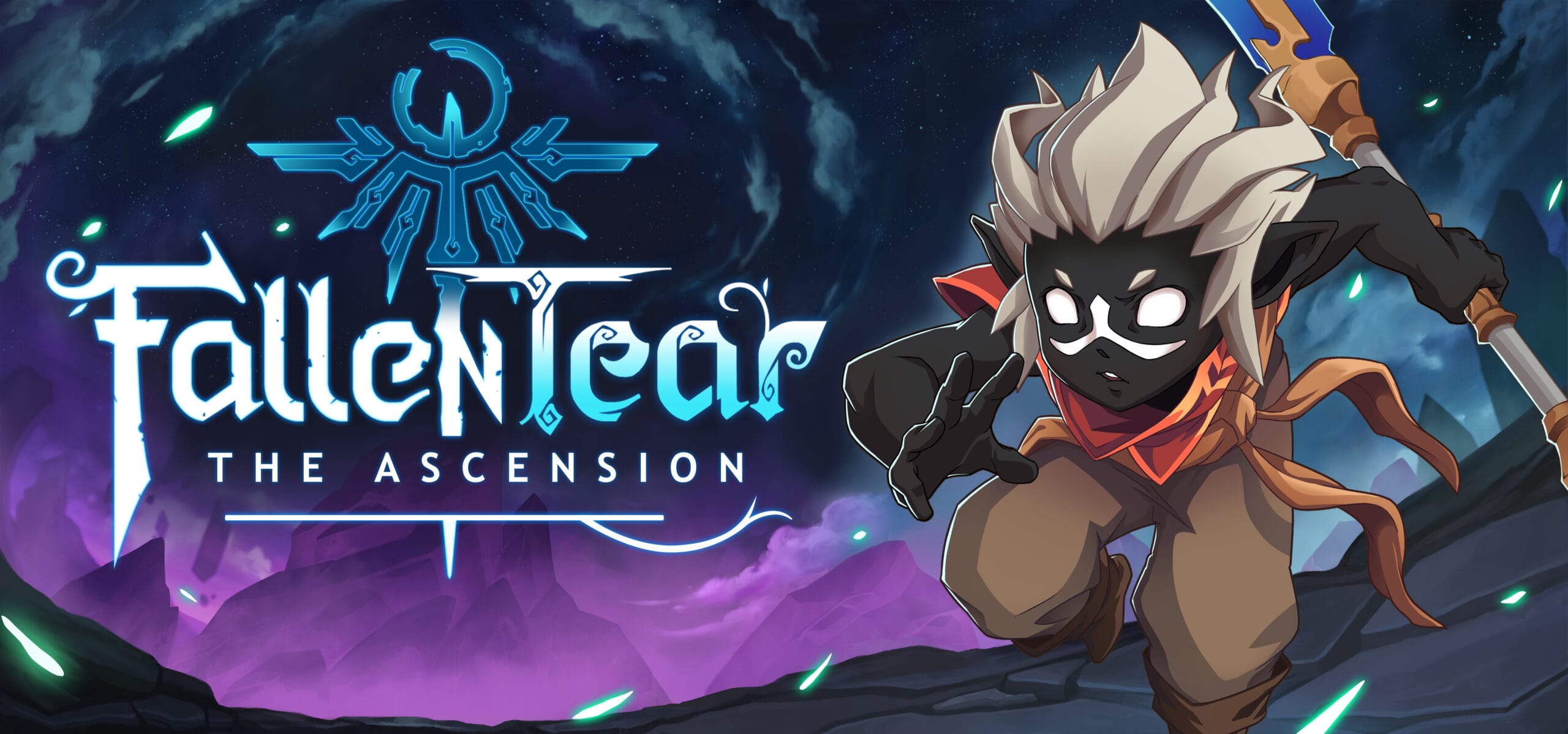
There’s a particular kind of fatigue that sets in when you’ve played one too many Metroidvanias. The genre, once defined by discovery and deliberate pacing, now often feels like a checklist of expected mechanics stitched together with varying degrees of polish. So when Fallen Tear: The Ascension first landed on my radar, I approached it with cautious curiosity rather than excitement. Another 2D action RPG promising a “vast interconnected world”? I’ve heard that pitch before.
And yet, every now and then, something cuts through the noise.
Fallen Tear doesn’t just flirt with that possibility. It embraces it.
Raoah, Where Every Frame Feels Painted With Intention
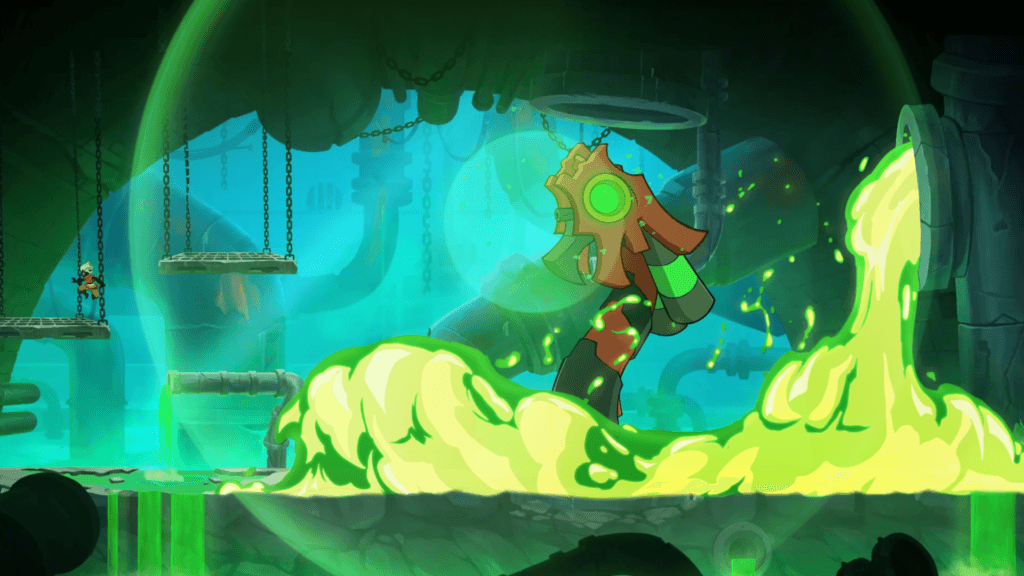
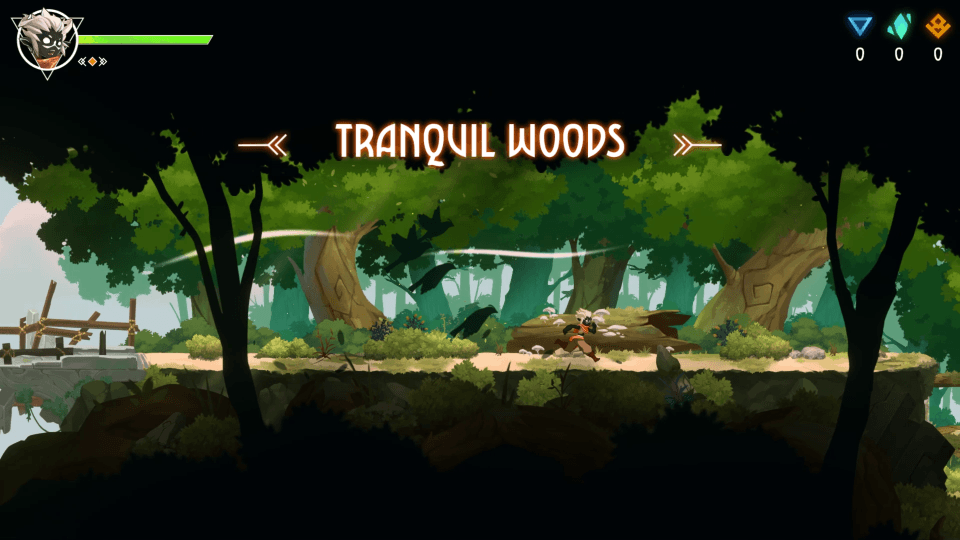
From the moment you step into the world of Raoah, the game establishes its strongest argument. This is a meticulously crafted, hand-drawn world that doesn’t just look good in screenshots but breathes in motion. There’s a softness to its animation and environmental design that evokes classic JRPG sensibilities while still feeling contemporary.
Exploration here is not just mechanical. It’s emotional.
The ambient design plays a crucial role in that immersion. Subtle musical cues and environmental audio create a sense of place that encourages you to pause, observe, and absorb. It’s the kind of world where you occasionally forget your objective because the act of being there is rewarding enough.
And importantly, Raoah never feels like a hollow backdrop. Even in its Early Access state, it feels inhabited, layered, and purposeful.
Hira’s Journey Is Familiar, But Never Empty
You play as Hira, a young boy navigating a journey that, on paper, feels archetypal. Lost past. Hidden truths. A world on the brink. It’s a monomyth structure we’ve seen countless times, but Fallen Tear understands that execution matters more than originality in premise.
The storytelling here is refreshingly restrained.
Dialogue is concise, well-paced, and avoids the trap of over-exposition. There’s no unnecessary verbosity, no indulgent lore dumps that derail momentum. Instead, the game trusts its world and its characters to carry emotional weight without overwhelming the player.
A standout element is the fully voiced quest system. Both main and side quests benefit from voice acting, which significantly enhances immersion. It’s a detail that many games in this space overlook, but here it adds a layer of accessibility and engagement that keeps you anchored in the narrative.
According to the official overview, the game leans heavily into character relationships and player-driven outcomes, with choices influencing both Hira’s journey and the broader world . While Early Access only hints at this depth, the foundation is clearly there.
Systems That Work With You, Not Against You
Progression in Fallen Tear is built on three interconnected systems, each reinforcing player agency without overcomplicating things.
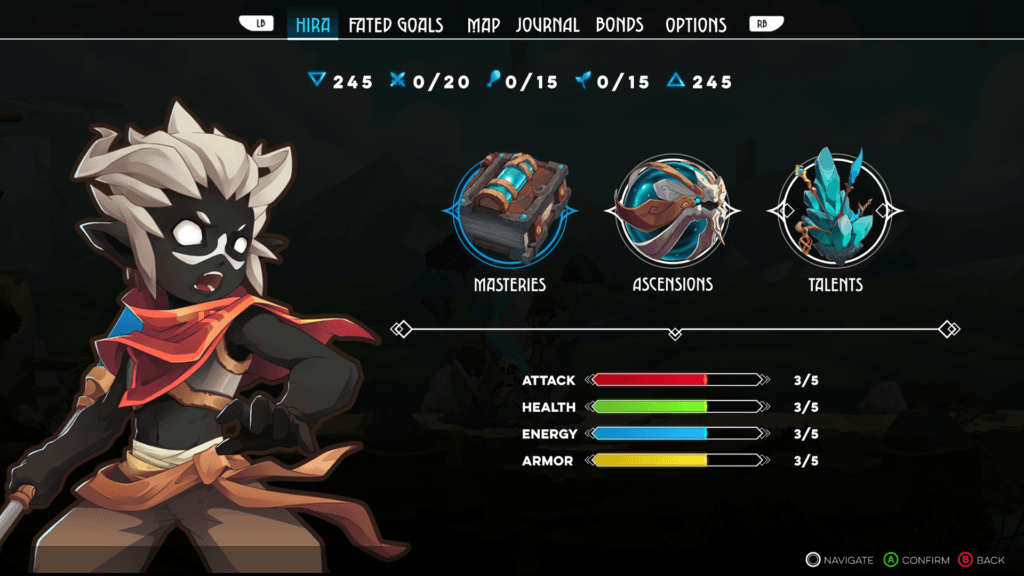
First, you have Ascensions. These are your traditional Metroidvania traversal upgrades. Dash, double jump, wall climb. They’re familiar, but they’re implemented cleanly, unlocking new pathways and encouraging organic backtracking.
Then there’s Hira’s skill system, divided into Hunter Skills and Mastery Skills. As you progress, you unlock different tiers, allowing you to shape your build around your preferred playstyle. Whether you lean toward aggressive combat or a more measured approach, the game accommodates that flexibility.
Finally, and perhaps most interestingly, there are the Fated Bonds.
These companions are more than passive additions. They actively contribute to combat and exploration with unique abilities. As you build relationships with them through affection points, their skills evolve, creating a tangible sense of growth and connection.
This aligns with the game’s broader design philosophy. Systems are not isolated. They intersect, reinforce each other, and contribute to a cohesive gameplay loop that rarely feels disjointed.
The Temple of Oras and a World That Feels Alive
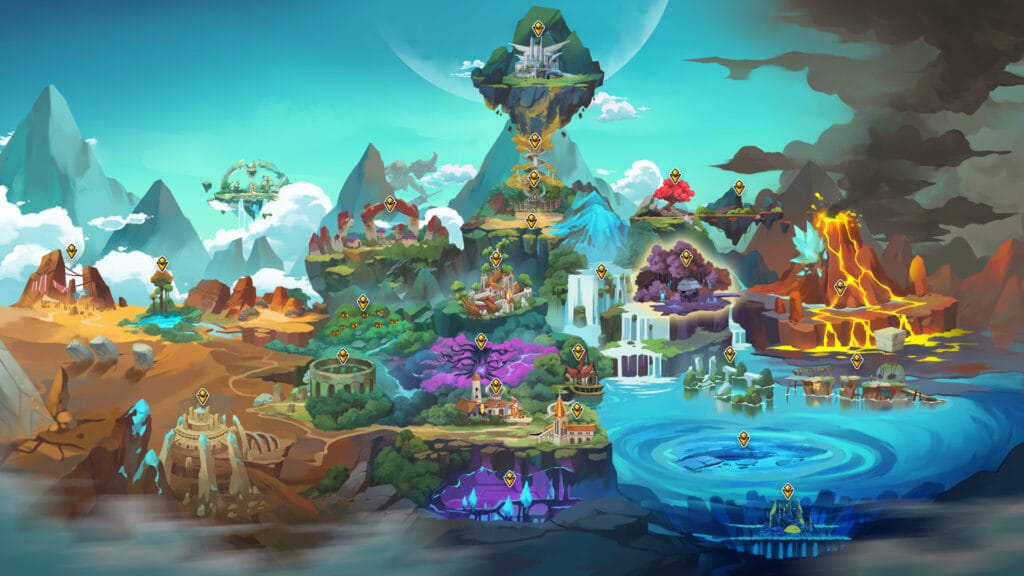
Your central hub, the Temple of Oras, acts as both a narrative anchor and a gameplay utility space. It houses your companions, upgrade vendors like the blacksmith, and acts as a reminder that your journey is part of something larger.
Beyond the hub, the world expands into towns and regions filled with side quests and optional encounters. These aren’t filler tasks. Hunting specific monsters or gathering resources often ties back into the world’s ecology and narrative threads.
What stands out is how seamlessly side story bosses are integrated. They don’t feel like arbitrary difficulty spikes or disconnected challenges. They belong to the world.
At no point during my time with the Early Access build did Raoah feel empty or artificially padded. There’s always something to discover, even if it’s just a small environmental detail that adds texture to the world.
A Difficulty Curve That Respects Your Time
Fallen Tear walks a careful line when it comes to difficulty.
Early hours are relatively forgiving, allowing players to familiarize themselves with traversal and combat mechanics. But once you move past the more linear segments tied to Ascension unlocks, the game begins to demand more precision and awareness.
The spike isn’t abrupt, but it’s noticeable.
Platforming remains fair throughout. It challenges without frustrating, which is crucial in a genre where poor level design can quickly sour the experience. Combat encounters, particularly against stronger enemies and bosses, require a better understanding of your abilities and positioning.
What’s refreshing is that the game rarely feels punitive.
You’re given room to experiment, fail, and adapt.
Quality of Life Friction That Still Needs Smoothing
For all its strengths, Fallen Tear isn’t without its rough edges, especially in its current Early Access form.
Fast travel is one of the more noticeable limitations. While you can teleport between checkpoints using shards, the inability to fast travel freely becomes more apparent as the map expands. In a game that encourages backtracking, this can occasionally disrupt pacing.
Shard loss on death is another point of friction. While it adds stakes, it can feel unnecessarily punishing, especially after longer encounters or boss fights.
These are not deal-breakers, but they are areas where refinement would significantly enhance the overall experience.
The game does include an autosave system, which mitigates some frustration. Being able to quit at any point and resume from the last checkpoint is a practical and welcome feature.
Early Access: Promise vs Patience
Perhaps the biggest caveat is the game’s Early Access status.
Currently, only about 35% of the full experience is available. That’s enough to showcase its systems, world-building, and narrative direction, but it also means you’re engaging with an incomplete journey.
And in a genre that thrives on progression and payoff, that incompleteness is felt.
Backtracking, a core pillar of Metroidvania design, becomes a double-edged sword here. It can either build anticipation for what’s to come or highlight the gaps that are yet to be filled.
The decision to jump in now or wait for full release is ultimately a personal one.
Combat That Balances Fluidity and Strategy
Combat in Fallen Tear leans into a hybrid philosophy.
It combines the immediacy of action-based encounters with the layered depth of JRPG-inspired systems. You’re not just reacting. You’re strategizing.
Enemy encounters require attention to patterns, positioning, and ability usage. As you unlock more skills and companions, combat becomes increasingly dynamic.
The game’s design encourages experimentation.
Different builds, different companions, different approaches. There’s no single “correct” way to engage with its systems, which adds to its replayability and long-term appeal.
This aligns with its promise of modernizing classic mechanics while retaining their core appeal .
Art and Sound That Carry Emotional Weight
If there’s one area where Fallen Tear consistently excels, it’s presentation.
The hand-drawn art style is not just visually appealing. It’s expressive. Characters and environments feel alive, with subtle animations and details that add depth to every scene.
The soundtrack complements this beautifully.
It doesn’t overpower. It enhances. Whether you’re exploring a serene landscape or engaging in a tense encounter, the audio design supports the experience without distracting from it.
It’s a cohesive aesthetic vision, and it works.
The Verdict: A Metroidvania That Earns Your Attention
Fallen Tear: The Ascension is not trying to reinvent the genre. Instead, it refines, respects, and occasionally reimagines it.
It understands what makes Metroidvanias compelling and builds upon that foundation with thoughtful systems, a beautifully realized world, and a narrative that values clarity over complexity.
Yes, it has its flaws. Quality of life improvements are needed. The Early Access state means you’re only seeing part of the picture.
But what’s already here is enough to make a strong case.
This is a game that invites you to get lost, not just in its world, but in its potential.
And sometimes, that’s more than enough.
Score: 4.2 / 5
Pros
- Gorgeous hand-drawn world with strong artistic identity
- Cohesive progression systems that support player agency
- Fully voiced quests enhance immersion
- Balanced difficulty that avoids frustration
- Companions add meaningful depth to gameplay
Cons
- Limited fast travel options impact pacing
- Shard loss on death can feel punitive
- Early Access content leaves experience incomplete
If this is what 35% of Raoah feels like, the full journey might be something special.
This review of Fallen Tear Ascension is based on the PC version, with a code provided by the game’s publishers.
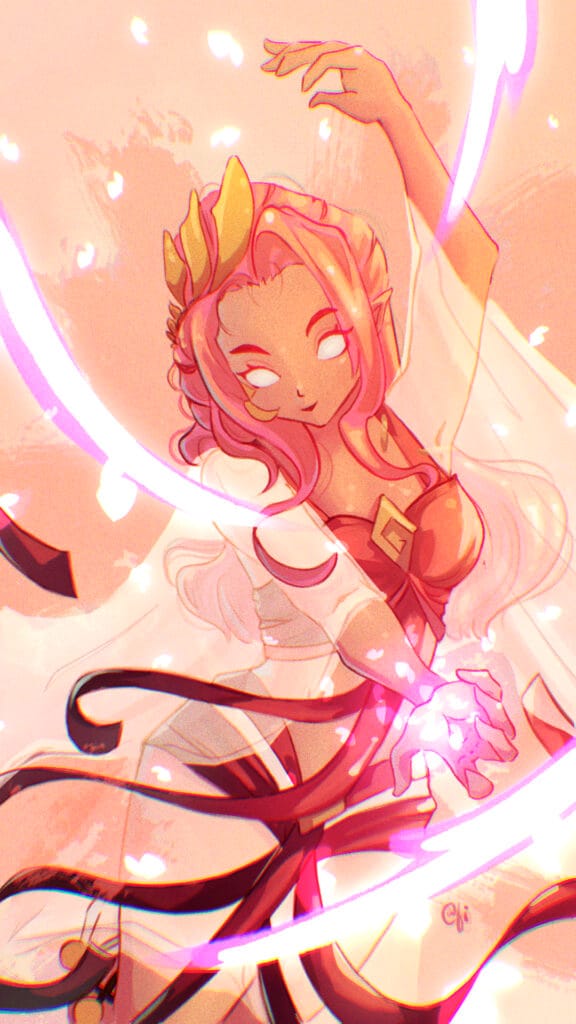
Heres’ Nesta fanart by me
About The Author

 Avinash Rohra