Barbarian Saga: The Beastmaster Review – Plenty of Beast, Not Enough Mastery
 Avinash Rohra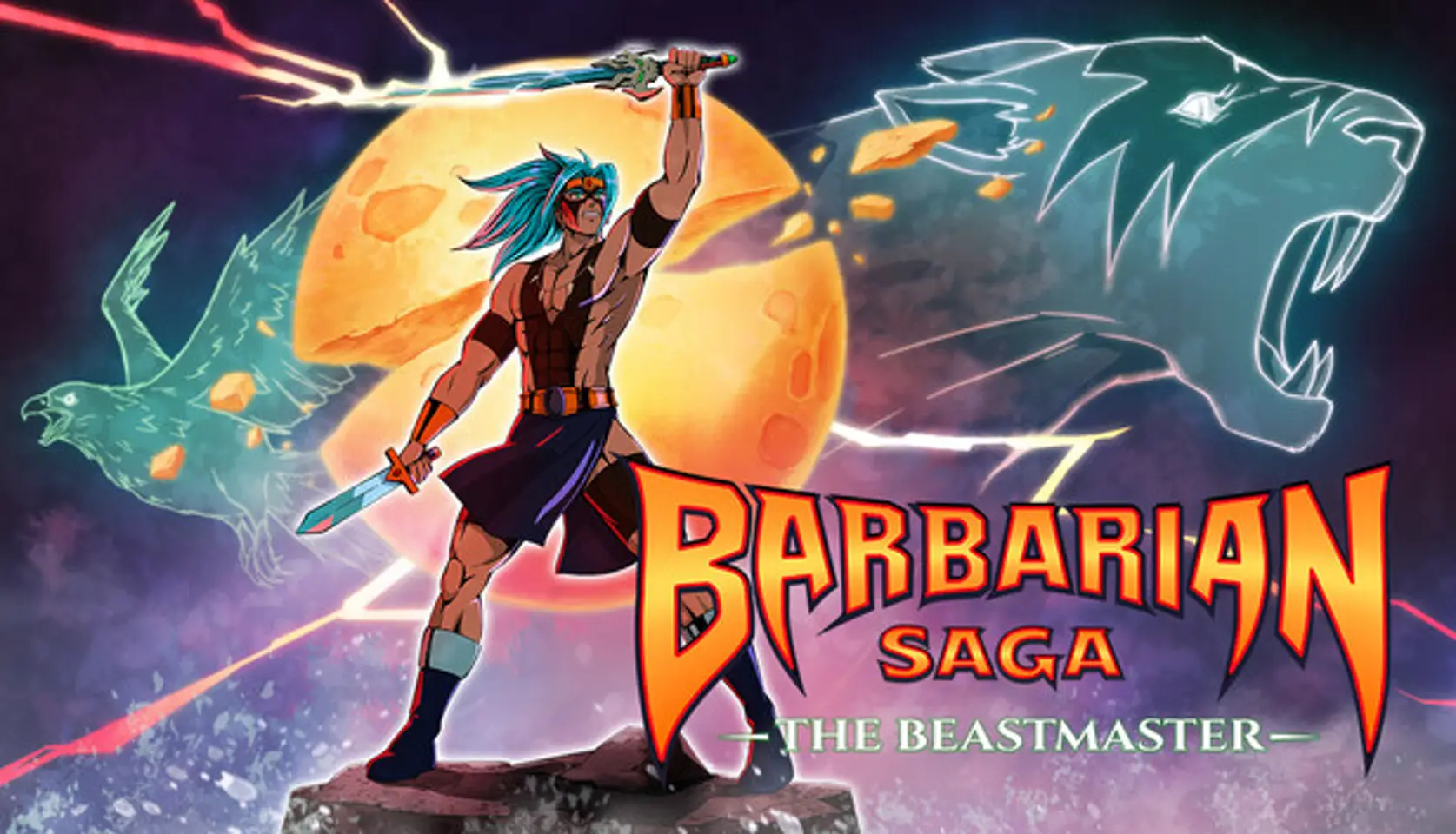
There is a version of Barbarian Saga: The Beastmaster that I can imagine somebody falling completely in love with. It has hand-drawn barbarians, grotesque monsters, animal transformations, enormous swords, obscure pathways, difficult bosses and a world seemingly designed by people who grew up staring at fantasy comic covers. Even when I was frustrated with it on PS5, there were moments when I understood exactly why another player might push through every rough edge and come away delighted.
I just was not that player.
Beast Master is full of ideas that sound much better when listed than they consistently feel in motion. Its transformations give traditional Metroidvania progression genuine personality. Its world encourages poking around forgotten corners. Its boss battles can produce moments of real satisfaction. Yet almost every strength is accompanied by some smaller inconvenience that gradually chips away at the experience. Combat can feel awkward, navigation is frequently less informative than it needs to be, healing adds an unnecessary layer of resource management, and storytelling regularly asks for more attention than its writing earns.
Nothing here completely sinks the adventure. Together, though, these problems make Arborea far more exhausting to explore than it should be.
Conan by Way of Metroid
Beast Master follows Ren, a Beastmaster drawn into a renewed conflict between humanity and the non-human inhabitants of Arborea. Imperia and the Sacred Kingdom loom over a story involving war, prophecy, magic and Ren’s heart-devouring sword, while numerous NPCs offer their own quests and smaller stories throughout the journey.
It is unapologetically old-school fantasy, which immediately gives the game some flavour. Unfortunately, the storytelling does not always keep pace with the strength of its visual world.
There is a lot of dialogue, particularly early on, and the English text occasionally contains grammatical oddities that make already lengthy conversations less elegant than they should be. Beast Master is clearly interested in its mythology and characters, but I rarely found myself equally invested. The larger narrative has ambition, including choices and multiple endings, yet too many conversations feel like information being delivered rather than characters drawing me deeper into Arborea.
The world looks much more interesting than it often sounds.
Becoming the Beast
The animal transformations are the game’s strongest idea.
Ren absorbs the souls of creatures and gains new forms that double as traversal abilities. Functionally, this is classic Metroidvania design: acquire a new power, recognise what parts of the map it can unlock, then return to previously inaccessible locations. Wrapping that familiar structure around the Beastmaster concept gives those upgrades considerably more personality.
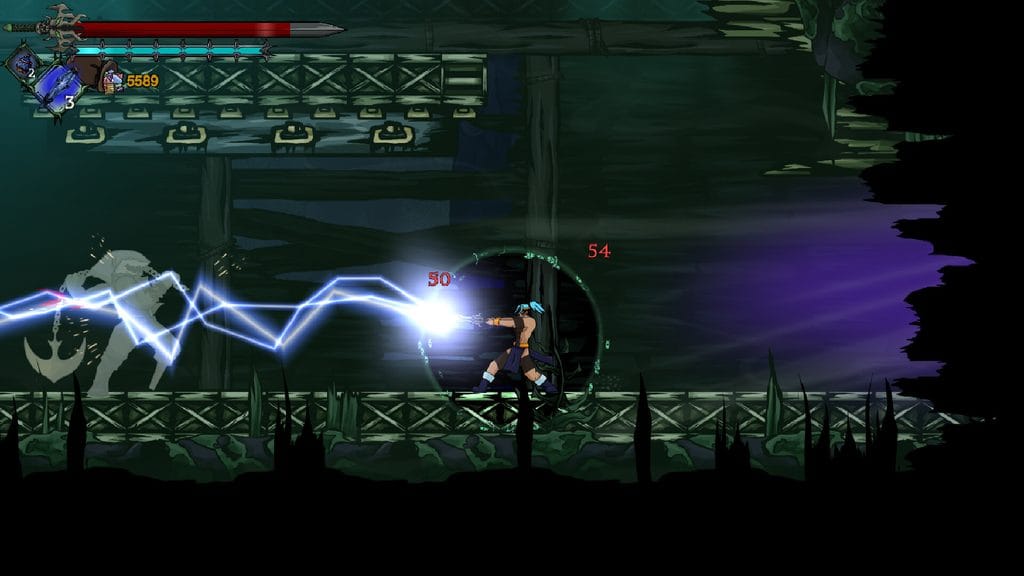
The game also offers more character building than I initially expected. Ren can learn additional sword techniques, use magic and consumables, and modify himself through a ritual necklace that accepts items such as beads, fangs, roots and amulets. These can alter attributes including vitality, mana and offensive capabilities.
Then there are special arena encounters that bring the camera closer and present fights more like a traditional fighting game. They are a strange inclusion on paper, but one I actually appreciated because they break up the normal rhythm of wandering, fighting and backtracking.
Beast Master is rarely short of systems.
Its problem is refinement.
Fighting for the Wrong Reasons
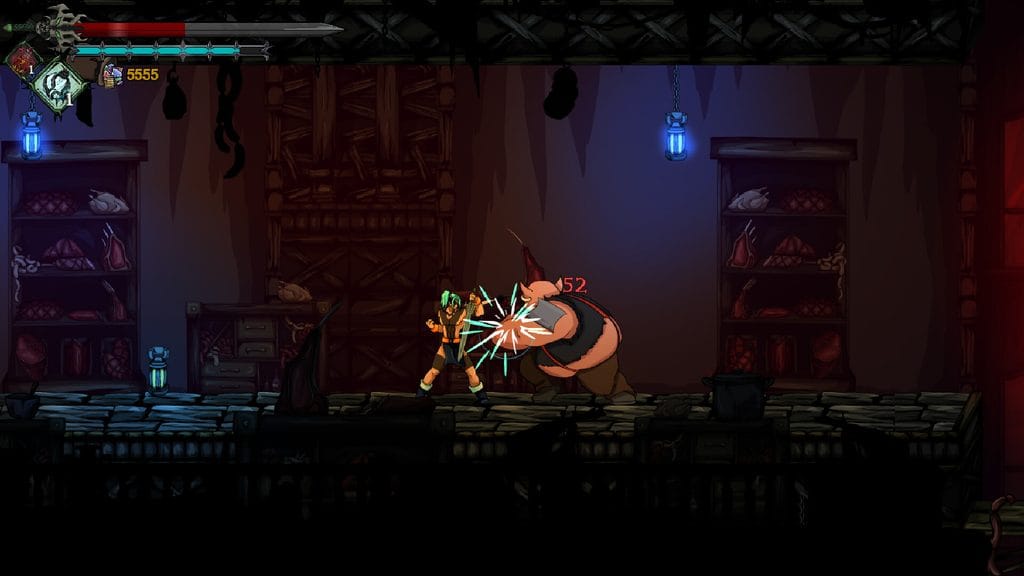
Combat sits in an uncomfortable place between deliberate and clumsy.
Ren can attack, defend and dodge, with additional abilities expanding those basic options, and some boss battles genuinely make those mechanics click. Learning patterns, surviving an encounter that initially seemed overwhelming and finally getting the killing blow can be satisfying.
Ordinary combat is much less consistent.
Attack commitment makes certain exchanges feel awkward because you cannot always immediately transition from offence into defence. Contact damage can make close-range encounters messy, particularly when enemies overlap with Ren’s movement, while flying creatures expose some irritating hitbox behaviour.
None of that makes Beast Master unplayable. Some players have actually responded positively to its difficulty and describe the combat as demanding but rewarding. I can understand that perspective, especially during the better bosses.
My frustration comes from how frequently difficulty is accompanied by friction that has little to do with learning an enemy.
Healing is a perfect example. Potions are limited consumables rather than something that simply refills whenever you rest. Replacing them can require spending gold, while health pickups from regular enemies are not generous enough to eliminate that dependency. After enough failed attempts, the pressure therefore shifts from mastering the fight to rebuilding your supplies.
Challenge should make me want another attempt.
Beast Master occasionally made me want another shopping trip.
Lost, But Not Always in a Good Way
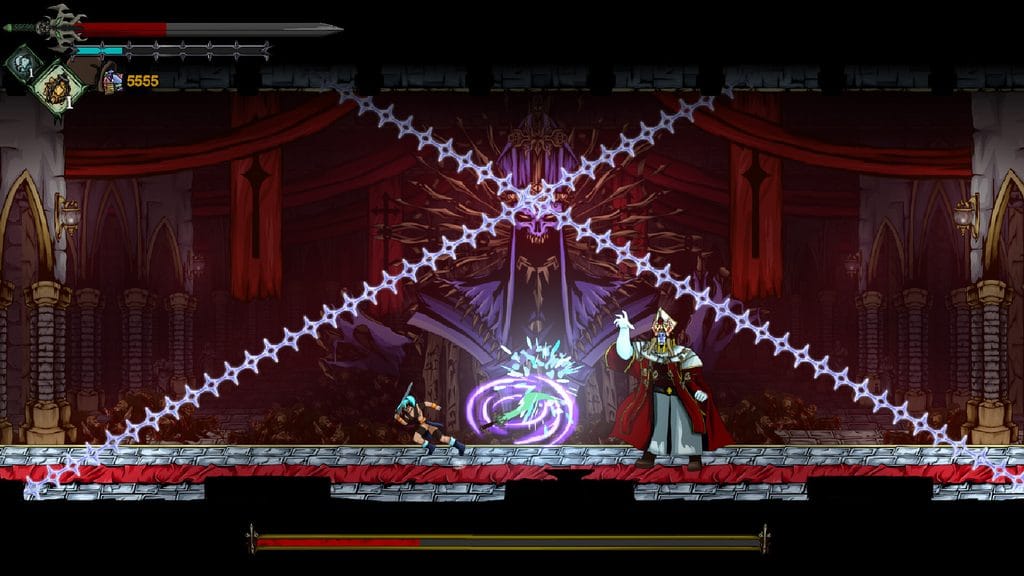
Exploration creates a similar contradiction.
Arborea is designed as a continuous Metroidvania world filled with locked passages, secrets, optional paths and locations that only become accessible after gaining new transformations. There are genuine moments of discovery here, and players who enjoy being given minimal direction may find considerably more satisfaction in deciphering the game’s progression than I did.
My problem is that Beast Master does not always provide enough information to distinguish a deliberate mystery from a dead end.
The map reveals relatively little about what you have encountered, tracking quests and NPC-related objectives could be clearer, and the interface used for navigating between Spirit Tree fast-travel points is more cumbersome than I would like. Fast travel itself is available early, so the problem is not an absence of convenience. It is that the tools around exploration do not always communicate enough information.
I enjoy getting lost in Metroidvanias when the world is teaching me something while I wander.
Here, I sometimes felt I was retracing rooms simply because I had no better idea where to go.
A Beautifully Drawn Barbarian World
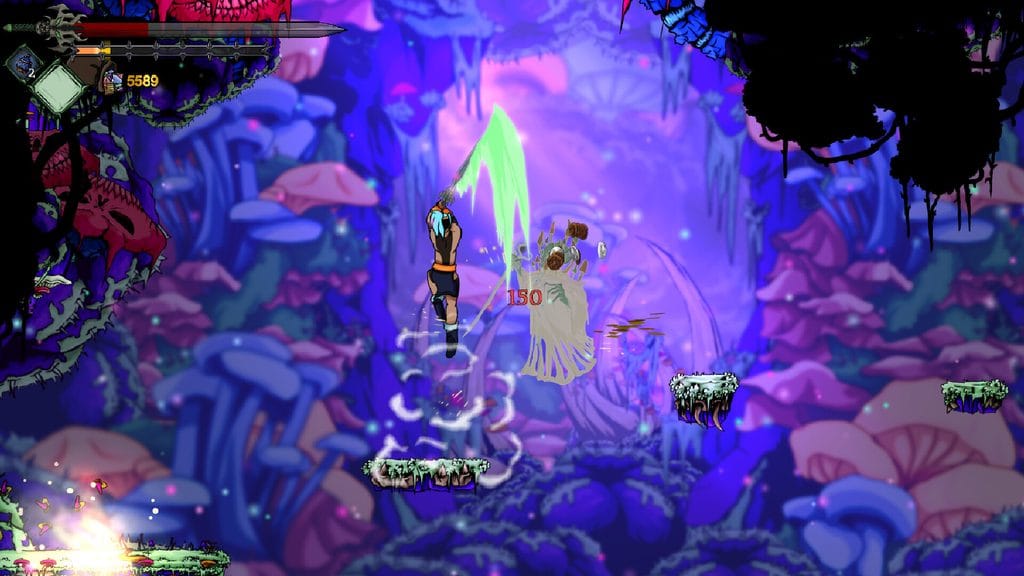
Visually, Beast Master is far easier to recommend.
Its hand-drawn presentation immediately separates it from the increasingly crowded Metroidvania field. Hulking warriors, unusual creatures and richly illustrated environments give Arborea the feeling of an animated fantasy comic, while the exaggerated proportions of its characters embrace the pulpiness rather than apologising for it.
This is where Dormidin Studio’s personality comes through most clearly. The environments change enough to keep exploration visually interesting, monsters have memorable silhouettes, and the whole thing carries a distinctly sword-and-sorcery flavour without simply mimicking one obvious reference point.
The audio is more inconsistent. The soundtrack generally complements the fantasy setting, but some individual effects sound noticeably cheaper than the imagery they accompany. It is a small complaint, yet Beast Master is full of small complaints.
That becomes the running theme.
Pros and Cons
Pros
- Distinctive hand-drawn fantasy artwork
- Animal transformations make familiar Metroidvania abilities more interesting
- Plenty of secrets and optional exploration
- Surprisingly flexible necklace and character customisation
- Boss battles can provide satisfying challenges
- Arena encounters offer a welcome change of pace
Cons
- Combat can feel awkward and inconsistent
- Contact damage and some enemy hitboxes frustrate
- Healing economy encourages unnecessary resource farming
- Navigation and objective tracking could communicate much more clearly
- English text contains noticeable grammatical roughness
- Too many individually minor irritations accumulate across the adventure
Final Verdict
Score: 2.5/5
Beast Master is not short of imagination. That is precisely why I found it so frustrating.
There is an appealing Metroidvania underneath its rougher systems, one with striking artwork, clever transformation-based progression and enough secrets to reward players willing to interrogate every corner of Arborea. I can also understand why some players have embraced its difficulty and comparatively hands-off approach to exploration.
But its strengths continually have to fight through unnecessary resistance. Combat needed greater responsiveness, navigation needed clearer communication, healing needed less busywork, and the writing needed another editing pass.
I never stopped seeing the game Beast Master could have been.
I just rarely felt like I was actually playing it.
This review of Barbarian Saga The Beastmaster is based on the PS5 Version, with the code provided by the Publisher/PR Agency.
About The Author