Captain Wayne – Vacation Desperation Review: A Holiday That Refuses to Stay Peaceful
 Avinash Rohra
At a glance, Captain Wayne – Vacation Desperation looks like it could be little more than a novelty: a short, comedic action game built around the idea of a grizzled action hero being dropped into situations fundamentally incompatible with his temperament. It is easy to expect a lightweight parody that burns through its premise quickly, leaning too heavily on slapstick to sustain momentum.
After playing it on PC across multiple sessions, what stands out is how consistently the game commits to its tone and structure. Vacation Desperation is not a sprawling experience, nor does it attempt to be one. Instead, it focuses on compact levels, physical comedy, and situational escalation, delivering an experience that remains engaging through variety rather than scale.
This is a game that understands its limits and works carefully within them.
A Protagonist Built for Trouble
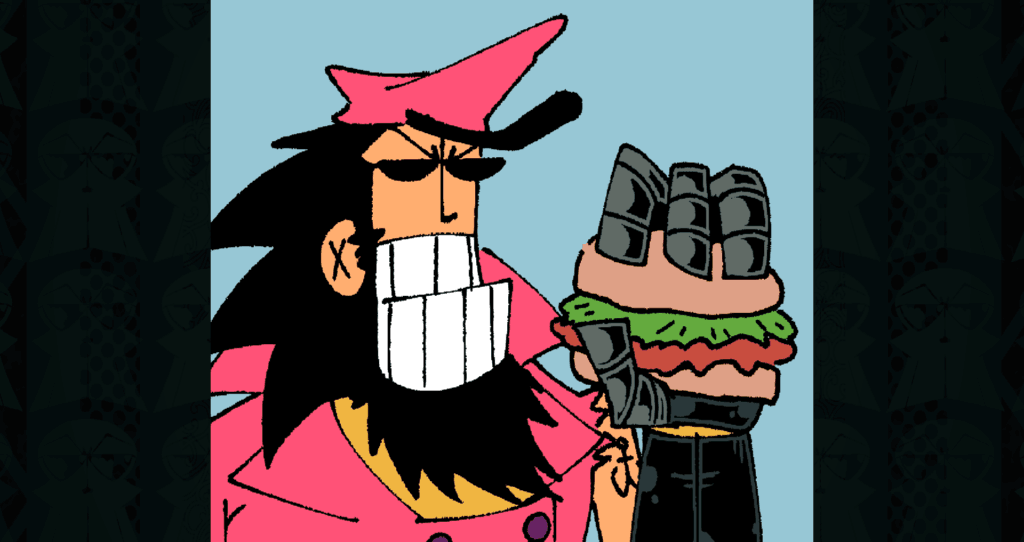
Captain Wayne is presented as a blunt, confrontational action hero whose default response to inconvenience is force. The game establishes this through short dialogue snippets, exaggerated reactions, and the way Wayne interacts with the world around him. He is not subtle or introspective, and the humour largely comes from placing this personality into environments that demand patience, restraint, or calm.
Rather than relying on extended cutscenes, the game communicates character through behaviour. Wayne reacts audibly to obstacles, becomes visibly frustrated when actions fail, and often escalates situations instead of resolving them cleanly. These moments are consistent throughout the experience and help establish a clear comedic identity without the need for heavy narrative exposition.
Crucially, the game does not attempt to reframe Wayne as sympathetic through backstory or emotional justification. What you see is what you get: a character whose presence reliably turns mundane scenarios into chaotic ones.
Gameplay Focused on Physical Comedy
The core gameplay loop combines light combat, environmental interaction, and movement systems that emphasise momentum and exaggerated physicality. Wayne’s actions feel intentionally heavy. Attacks commit fully, movement carries weight, and small misjudgements can quickly snowball into larger problems.
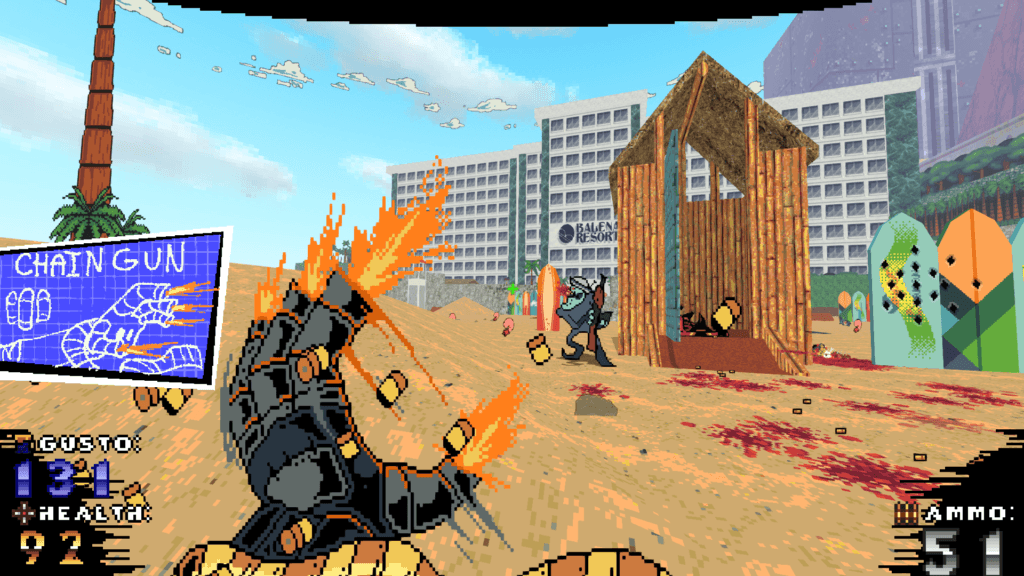
Combat is accessible rather than complex. Encounters prioritise positioning, timing, and the use of nearby objects over deep combo systems or mechanical layering. This simplicity works in the game’s favour, as engagement comes less from mastery and more from how each situation unfolds.
Levels are designed to introduce scenarios that can spiral rapidly. Objects are easily displaced, enemies react dynamically, and environments often shift or break during encounters. These interactions create moments of unplanned chaos that feel entirely in line with the game’s tone, even when they briefly wrest control away from the player.
Consistent Pacing Without Overextension
One of the game’s most reliable strengths is its pacing. New environments and scenarios are introduced at a steady rhythm, and mechanics are rarely pushed beyond their usefulness. Familiar actions are kept fresh by placing them in new contexts rather than by layering on additional complexity.
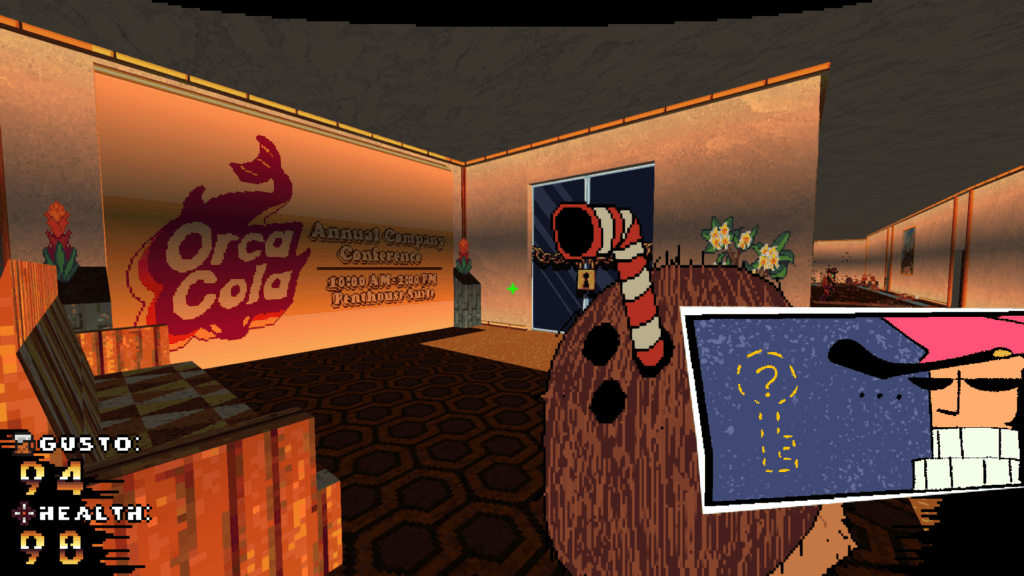
Levels are generally concise, with clear endpoints and minimal downtime. When a sequence ends, it does so decisively, without unnecessary epilogues or forced escalation. This keeps momentum high and prevents the central joke from wearing thin.
The overall runtime is modest, but the structure ensures that most of the experience feels deliberate rather than padded.
Visual Presentation and Animation
Visually, Vacation Desperation adopts a low-poly style that prioritises clarity over detail. Characters are easy to read, environments are navigable at a glance, and visual clutter is kept to a minimum. This readability supports both combat and comedic timing, allowing players to quickly grasp what is happening on screen.
Animation does much of the heavy lifting when it comes to humour. Wayne’s movements are exaggerated, with pronounced follow-through on attacks and expressive reactions that sell the physical nature of the comedy. Failures are often as visually communicative as successes, reinforcing tone without relying on additional dialogue.
The camera generally keeps the action readable, though it can occasionally struggle during especially crowded or chaotic moments.
Sound Design and Music
The audio design supports the experience without overpowering it. Sound effects are clear and functional, giving appropriate weight to attacks, impacts, and environmental interactions. Destruction, movement, and combat all have distinct cues that reinforce player feedback.
Music is used sparingly and rarely attempts to dictate emotional tone. In several sections, ambient sound or minimal musical backing allows the situation itself to carry the humour. This restraint helps avoid audio fatigue and keeps focus on moment-to-moment play.
Minor Technical Friction
There are moments where movement precision can feel inconsistent, particularly in confined spaces or during faster encounters. Wayne’s heavy momentum, while thematically appropriate, can occasionally work against precise input.
Camera behaviour, while mostly stable, can briefly obscure key elements when multiple characters or objects collide in close quarters. These moments are infrequent, but noticeable.
Final Verdict
Score: 4 / 5
Captain Wayne – Vacation Desperation succeeds because it remains disciplined. It does not overcomplicate its mechanics, overstay its welcome, or dilute its central idea. Instead, it delivers a focused, consistently entertaining experience built around physical comedy, readable systems, and a clearly defined tone.
Players looking for deep progression systems or long-term replay hooks may find it limited. Those in search of a tightly designed, humorous action game that knows exactly what it wants to be will find a great deal to enjoy.
This review is based on the PC (Steam) version, with the code provided by the game’s publishers.
About The Author