Avinash Rohra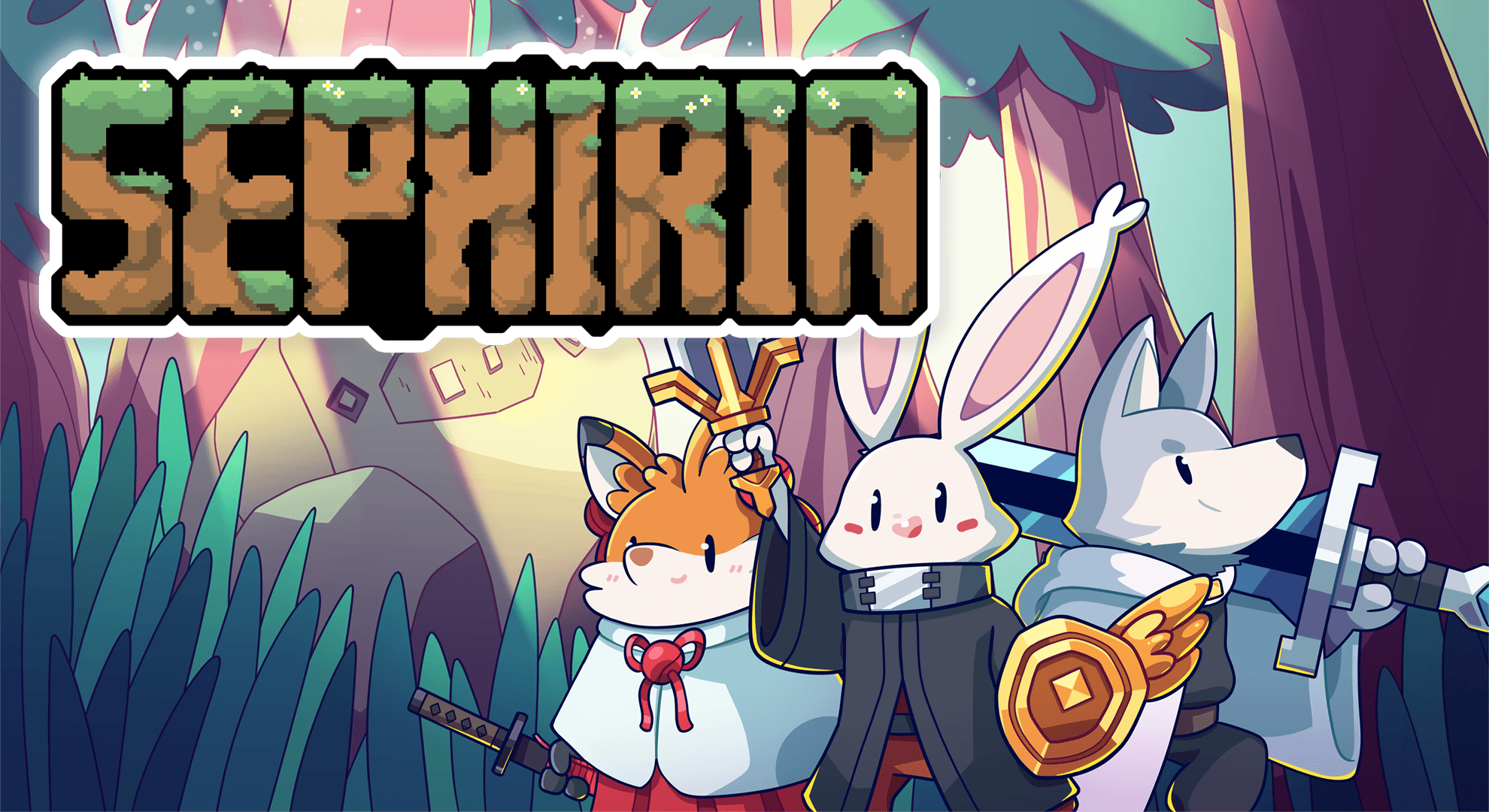
Most roguelites train you to look at an item and ask one question: is this better than what I already have? Sephiria asks a more troublesome one. Where does it go?
That small distinction is the foundation of TEAM HORAY’s second game, and it is also the reason Sephiria stands apart from the crowded field of action roguelites. Beneath its colourful pixel art and deceptively cheerful cast of rabbits is a game that makes inventory management an actual part of buildcraft. Artifacts are arranged within your inventory, Tablets empower them, and the position of those pieces matters to the character you are constructing.
It sounds like the sort of system that could turn a fast action game into an accounting exercise. Instead, it gives Sephiria a strategic layer that becomes increasingly important as a run develops.
The premise itself is straightforward. On the Day of Destiny, Bunnyville faces destruction at the hands of a demon horde, and a brave bunny sets out through the tower to prevent it. The story provides the destination, but Sephiria’s real interest lies in everything that happens between the beginning of a run and the next boss.
After entering Early Access on April 3, 2025, Sephiria reached its 1.0 release on July 31, 2026. The full release completed the six-chapter journey, adding the final chapter and boss alongside more weapon upgrades, Miracles, inventory items, hard modes and rewards.
What emerged after that extended development period is a roguelite whose most interesting battles often begin before the fighting does.
Sephiria’s Inventory System Is Its Best Idea
The inventory is not simply where Sephiria keeps the things you collect.
The game lets you collect Artifacts and arrange them in your inventory, while Tablets can empower those Artifacts. Their positioning therefore becomes part of the process of building your character.
That changes the usual logic of roguelite loot.
In many games, acquiring a new item is primarily a comparison between its effect and whatever you are currently using. Sephiria adds a spatial problem. An Artifact may be useful by itself, but its value can change depending on how it fits into the configuration you have already created. Moving something can be as meaningful as acquiring something new.
This is where the game’s design becomes more interesting than its premise suggests. You are not merely collecting power. You are organising it.
The effect is especially noticeable later in a run, when the inventory has accumulated enough pieces for rearranging it to become a genuine decision rather than a quick bit of housekeeping. The game encourages you to think about the configuration as a whole instead of treating every new pickup as an isolated upgrade.
That idea is reinforced by the rest of Sephiria’s progression. There are six distinct weapons, each with more than 50 upgrades, while new Talents can be unlocked during runs. The number of systems involved gives the inventory puzzle enough material to remain relevant instead of becoming a gimmick that stops mattering once the player understands it.
It is a clever inversion of the usual roguelite relationship between action and menus. Sephiria’s menu systems are not interruptions to the game. They are part of what you are playing.
The Combat Gives the Buildcraft a Reason to Exist
Of course, none of that matters if the combat cannot support it.
Sephiria is a top-down action roguelite, and its basic structure is deliberately familiar. You descend through the tower, fight enemies, improve your character and attempt to push farther than before. The game has more than 60 enemy types and over 10 bosses spread across six chapters.
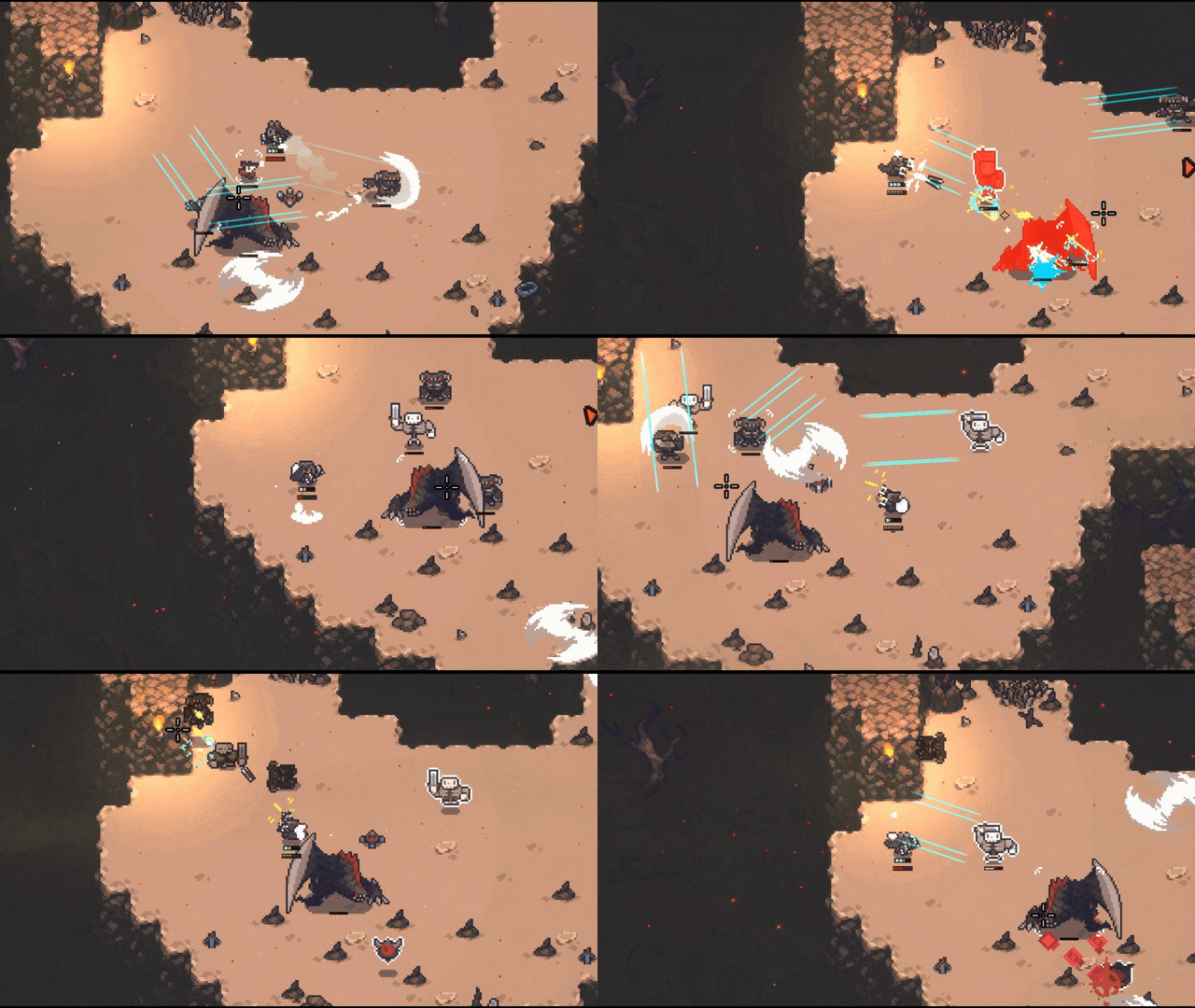
The six weapons are important because they give the build system something concrete to shape. Rather than simply increasing a single character’s numbers, Sephiria lets you approach its combat through different weapon configurations, then build around those choices with upgrades, Artifacts and Talents.
The result is a useful division of labour between the game’s systems. Combat asks you to respond to what is happening in front of you. Buildcraft asks you to think about what you want your character to become.
That distinction is what keeps the inventory from feeling detached from the action. A good configuration is not valuable because the numbers on a menu look impressive. It is valuable because you can take it back into the tower and see what those decisions actually do.
Sephiria also uses branching routes through its tower, giving runs another decision beyond simply moving from one combat arena to the next. Choosing where to go becomes part of deciding what kind of run you are trying to construct.
It is a relatively modest addition, but it fits the game’s larger philosophy. Sephiria keeps giving you small decisions and lets their consequences accumulate.
Six Chapters Give the Runs a Destination
The narrative is intentionally subordinate to the mechanics, but that does not make it irrelevant.
Bunnyville’s impending destruction gives the tower a clear purpose, while the six-chapter structure gives repeated expeditions a sense of progression toward an actual conclusion. The 1.0 release is significant because it completes that structure rather than leaving the story suspended at the end of its Early Access chapters.
The writing also benefits from the game’s visual tone. Sephiria uses pixel art and an intentionally cute cast of animal characters, creating a light presentation for a game about demons threatening to slaughter an entire village. It is an effective contrast without requiring the game to pretend that its story is darker or more complicated than it is.
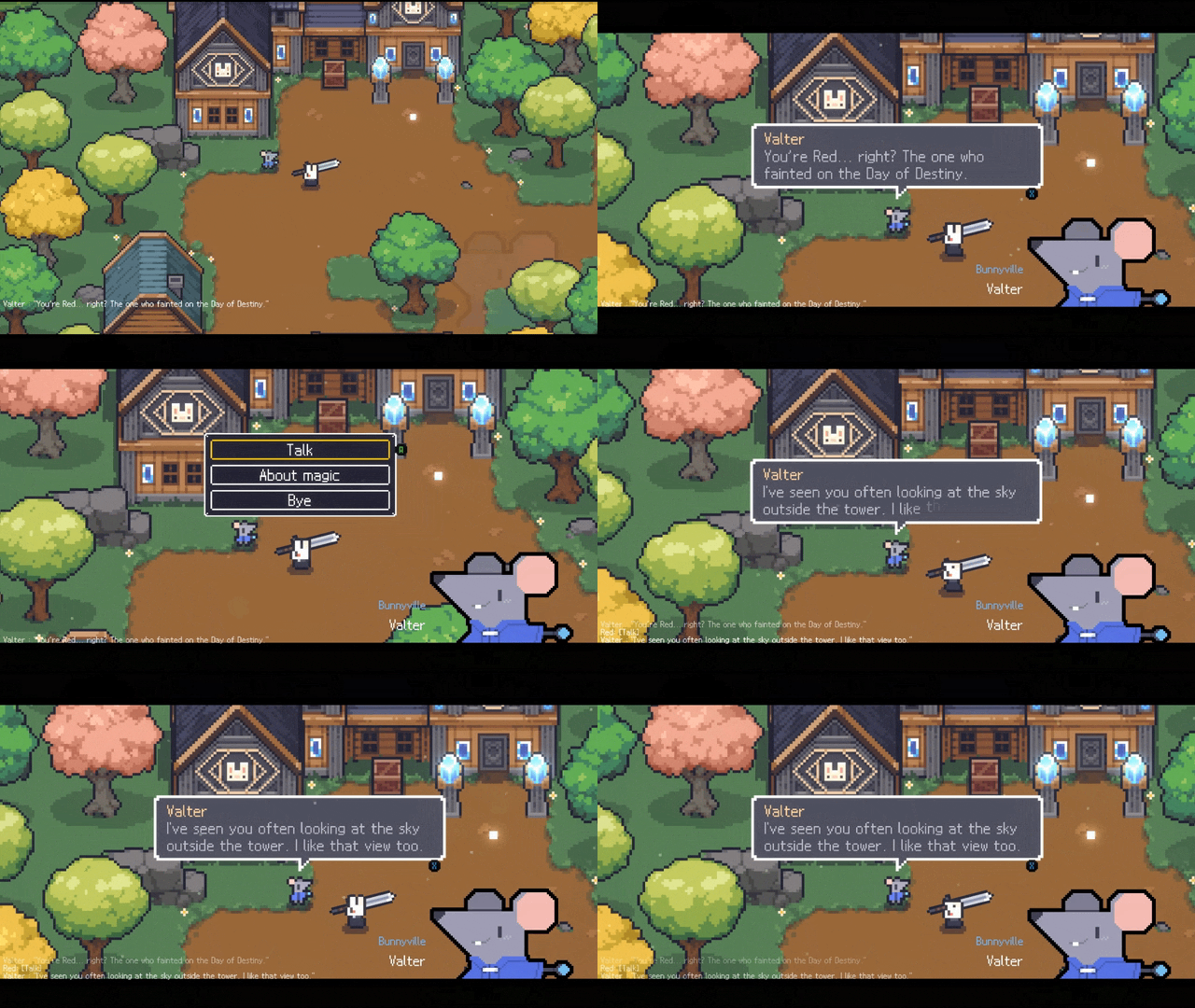
There is a pleasant economy to the presentation. Sephiria does not need elaborate storytelling to justify another run. The mechanical journey is the attraction, while the story provides enough context to make the journey feel like it is going somewhere.
That balance is sensible for a roguelite, particularly one with as much mechanical attention devoted to build construction as Sephiria.
Difficulty Is Closely Tied to How Well You Build
Sephiria’s difficulty is inseparable from its progression systems.
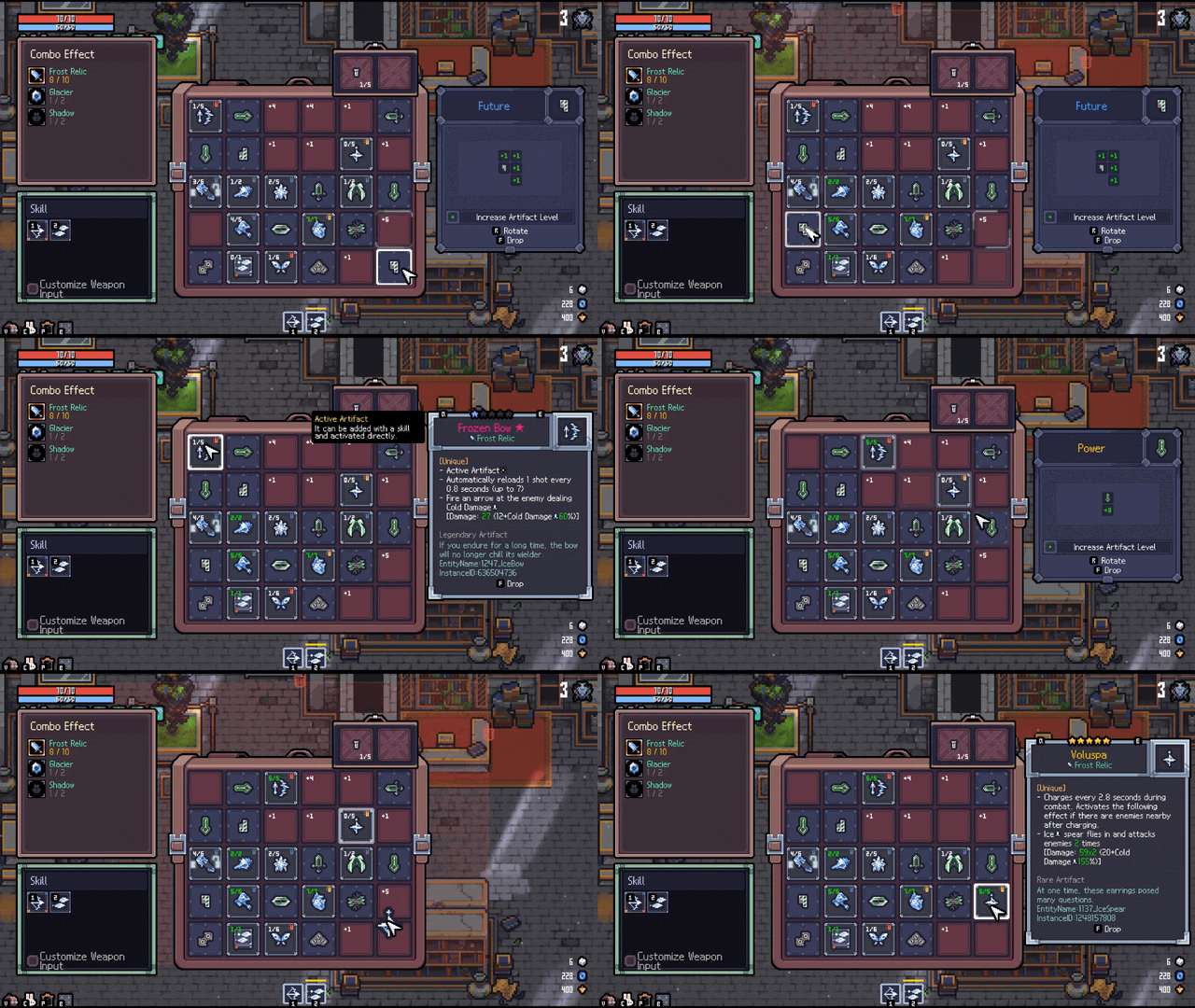
The game gives you considerable control over how your character develops, but that also means the player has to understand what their choices are doing. Weapon upgrades, Talents, Artifacts and Tablets all contribute to the final configuration, and a run becomes increasingly dependent on how those pieces work together.
That makes failure more useful when the problem is obvious. A weak build can tell you something about the decisions that produced it, while a successful one can encourage you to push the same idea further.
The game does not advertise itself as an easy roguelite, either. Its official description specifically frames the challenges as growing across the six chapters, and the 1.0 release adds further hard modes for players looking for additional difficulty.
I would stop short of calling Sephiria universally fair or universally punishing. Difficulty in an action roguelite is too dependent on the player’s familiarity with its systems for those labels to mean much on their own. What matters more is that Sephiria gives players a substantial number of tools with which to respond to increasing difficulty.
The better you understand those tools, the more deliberate your runs become.
Co-op Makes the Build System a Team Exercise
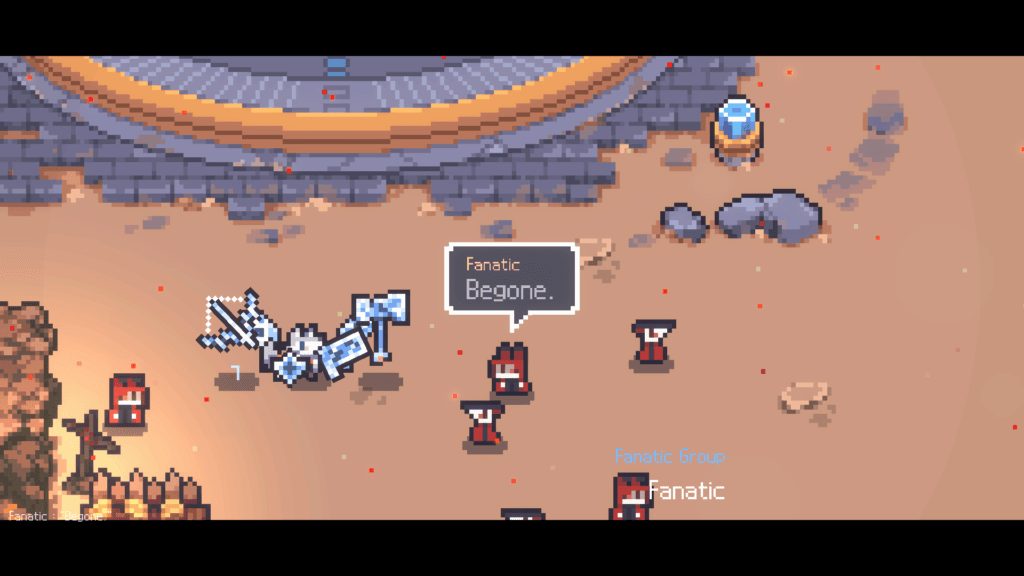
Sephiria supports online co-op for up to four players, and the multiplayer systems are unusually well aligned with the game’s focus on building characters. Players can trade items and revive fallen companions while exploring the tower together.
The item trading is particularly relevant because it turns the inventory system into something players can discuss. A piece that is unnecessary for one character can potentially be useful to another, making the decision about what to keep less isolated than it is during a solo run.
TEAM HORAY also spent its Early Access development improving controller usability, multiplayer issues and other interface problems, with updates continuing to address bugs and presentation details before launch.
That history is worth mentioning because Sephiria’s 1.0 release is not simply a content update. It is the result of a long Early Access development cycle in which the developers continued adjusting systems and fixing problems.
Sephiria’s pixel-art presentation is not technically extravagant, and it does not need to be.
The game’s visual design is primarily functional. Characters and enemies are presented in a readable pixel-art style, while the environments provide the setting for the tower’s combat encounters.
Sephiria Is a Natural Evolution of Dungreed
The most useful comparison for Sephiria is Dungreed, TEAM HORAY’s previous game.
Both are action roguelites from the same developer, but Sephiria places substantially more emphasis on inventory construction. That difference matters because it changes the pace of decision-making. The combat remains central, but there is now a more elaborate system running underneath it, asking you to consider not only what you have acquired but how everything fits together.
That makes Sephiria feel less like a straightforward follow-up and more like TEAM HORAY experimenting with what else can be done inside the action-roguelite format.
The studio has not abandoned the basic appeal of repeated runs. It has simply added another reason to care about what happens during them.
And that is why the inventory system works as more than a feature. It changes the question the player is asking.
Instead of wondering only what the next reward will be, you start wondering what the next reward could do to the build you already have.
Final Verdict
4.5/5
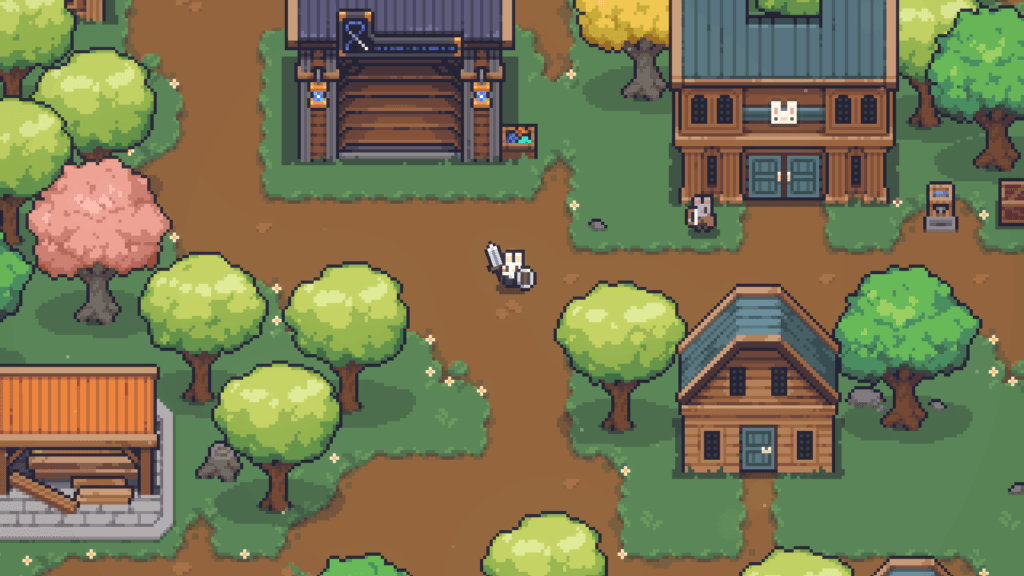
Sephiria does not reinvent the action roguelite. It does something more useful: it identifies one part of the genre that is normally treated as administration and turns it into a meaningful game system.
Its inventory is the reason to pay attention.
The six weapons, their extensive upgrade paths, Talents, Artifacts, Tablets, branching tower progression, six chapters and optional hard modes give Sephiria plenty of mechanical material to work with. The four-player online co-op, item trading and revival systems also give its build-focused design a natural multiplayer extension.
The story is straightforward, the pixel-art presentation is modest, and the game does not need either element to carry it. Sephiria succeeds because its systems complement one another. Combat gives your build purpose, the inventory gives your rewards context, and the repeated tower runs give you enough opportunities to test what you have constructed.
That is a much stronger foundation than another roguelite simply adding more weapons and more numbers.
Sephiria is an easy recommendation for players who enjoy action roguelites but want something more deliberate than simply choosing the largest upgrade on the screen. It is especially well suited to players who enjoy experimenting, rearranging, optimising and discovering that a seemingly ordinary item becomes valuable when placed in exactly the right spot.
Sephiria’s best idea is also its simplest: sometimes the most important move in a run happens before you swing your weapon.
Sephiria is a roguelite where building the character is almost as important as surviving the tower.
This review of Sephiria is based on the PC Version, with the code provided by the Publisher/PR Agency.
About The Author