Tales of Arise: Beyond the Dawn Edition Review (S2) – Some Journeys Are Worth Taking Twice
 Avinash Rohra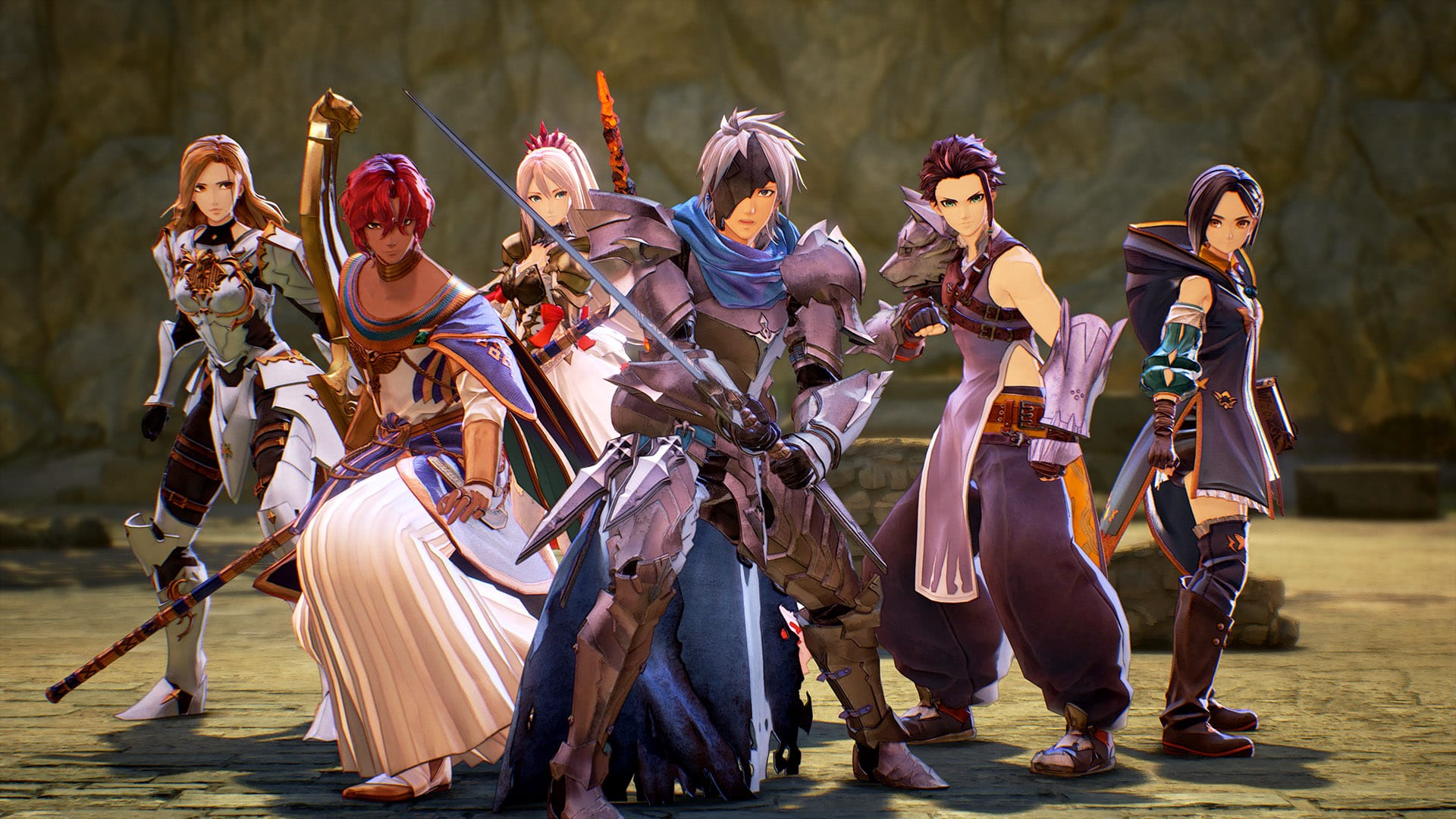
I wasn’t sure how I’d feel about returning to Tales of Arise.
Five years is a long time in video games. Entire genres rise and fall. Trends come and go. Games that once felt revolutionary suddenly feel dated, buried beneath a mountain of sequels, remasters, and the next big thing. Since first playing Tales of Arise, I’ve journeyed through the sprawling worlds of countless RPGs, saved galaxies, kingdoms, and timelines more times than I can count, and watched the genre continue to evolve in fascinating ways.
So when Tales of Arise: Beyond the Dawn Edition arrived on Switch 2, I found myself asking a simple question:
Was this game actually as good as I remembered?
The answer surprised me.
Not only does Tales of Arise hold up remarkably well in 2026, but revisiting it with fresh eyes reminded me why it became such an important moment for Bandai Namco’s long-running franchise in the first place. The addition of the Beyond the Dawn expansion makes this the most complete version of the experience, but make no mistake – the real star of the package remains the original adventure itself.
This is still one of the finest modern JRPGs you can play.
Breaking Chains and Building Hope
For newcomers, Tales of Arise tells the story of two worlds locked in a brutal imbalance of power.
For 300 years, the technologically advanced Renans have dominated the people of Dahna, exploiting them for resources and treating them as little more than tools. Into this conflict steps Alphen, a Dahnan who cannot feel pain, and Shionne, a Renan woman whose mysterious curse prevents anyone from touching her.
It’s a premise that sounds like classic fantasy-anime territory on paper, but what impressed me most during this return journey was how seriously the game commits to its themes.
Freedom, prejudice, privilege, trauma, identity, forgiveness – these ideas aren’t simply mentioned in passing. They’re woven into the world, the characters, and the conflicts that drive the story forward.
Each realm of Dahna tells a different story about oppression. One region is built on forced labor. Another uses competition as a means of control. Others rely on surveillance, manipulation, or fear. Together, they create a world that feels surprisingly nuanced for a blockbuster JRPG.
The narrative isn’t perfect. The final act remains divisive, and there are moments where exposition arrives in large, overwhelming chunks. Yet even now, years later, the emotional journey of Alphen and Shionne remains compelling.
More importantly, it earns its emotional payoffs.
A Cast Worth Fighting For

What truly elevates Tales of Arise above many of its contemporaries is its cast.
JRPGs live and die by the characters who accompany you for dozens of hours, and this group remains one of the strongest in recent memory.
Alphen and Shionne carry the story, but they’re supported by an excellent ensemble. Rinwell’s guarded personality, Law’s infectious energy, Kisara’s quiet strength, and Dohalim’s unique perspective all contribute meaningfully to both the narrative and party dynamics. The game’s skit system deserves particular praise.
These optional conversations have long been a defining feature of the Tales series, and Arise uses them brilliantly. They transform companions from quest-givers and combat partners into believable friends who joke, argue, support one another, and gradually grow closer over time.
By the time the credits rolled, I wasn’t simply interested in seeing how the story ended. I genuinely cared about the people living it.
The Combat System That Revitalized a Franchise
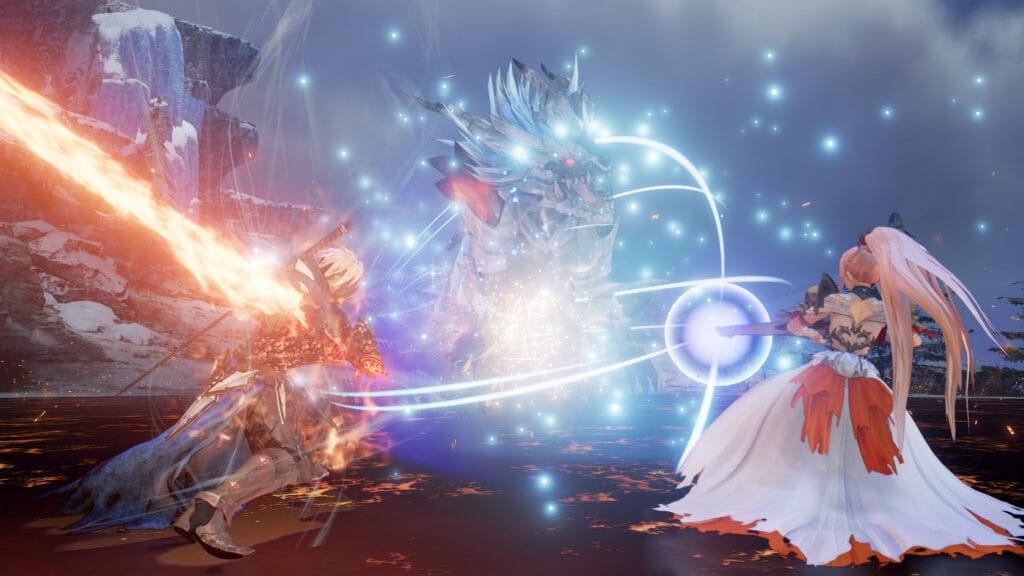
If the story keeps you invested, the combat is what keeps you playing.
Even after half a decade, Tales of Arise remains one of the most satisfying action combat systems in the genre. Battles are fast without becoming chaotic. Flashy without becoming mindless. Strategic without sacrificing momentum. Every character offers a distinct playstyle. Alphen rewards aggressive risk-taking. Shionne excels at ranged support. Rinwell dominates with magic. Kisara transforms into a defensive powerhouse. Swapping between them dramatically changes how encounters unfold. The real magic comes from how all these systems interact.
Boost Attacks allow party members to counter specific enemy types. Boost Strikes deliver cinematic finishers. Dodges, aerial combos, and Artes flow together naturally, creating battles that constantly encourage experimentation.
Beyond the Dawn: A Thoughtful Epilogue
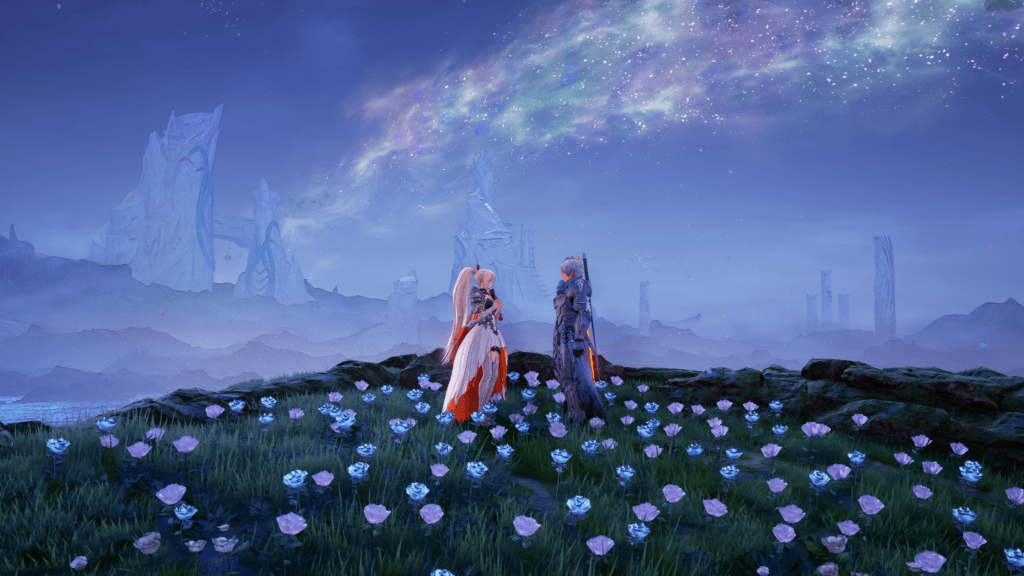
The Beyond the Dawn expansion doesn’t reinvent Tales of Arise, and that’s both its greatest strength and its biggest weakness.
Set after the main campaign, the expansion focuses on the aftermath of liberation and the challenges of rebuilding a fractured society. Rather than escalating the stakes with another world-ending threat, it explores the consequences of everything that came before.
I appreciated that restraint.
Too many expansions feel obligated to go bigger. Beyond the Dawn instead chooses to go smaller and more personal. That said, players expecting major gameplay additions may come away disappointed. The expansion largely builds upon existing systems and familiar locations. As additional character-focused storytelling, it succeeds. As a transformative expansion, it falls short.
Viewed as a bonus chapter rather than a second campaign, however, it fits comfortably within the overall package.
A Watercolor World That Refuses to Age
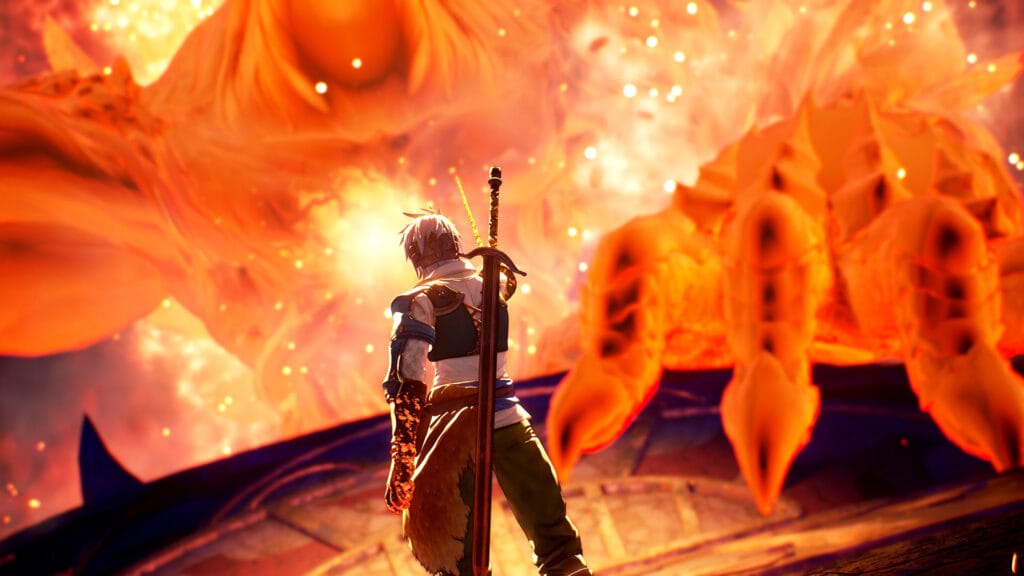
One area where Tales of Arise continues to excel is presentation. Bandai Namco’s art direction remains spectacular.
The game’s watercolor-inspired visual style gives environments a dreamlike quality that helps them stand apart from countless fantasy RPGs. Snow-covered mountains, lush forests, barren deserts, and industrial wastelands all possess a distinct identity. Importantly, this artistic approach has aged better than photorealism ever could. The soundtrack deserves equal recognition.
Whether accompanying emotional character moments or high-energy boss encounters, the music consistently elevates the experience without overwhelming it. Combined with strong voice performances across the cast, the presentation remains impressive years after launch.
The Switch 2 Experience
The biggest surprise of this edition is how comfortable Tales of Arise feels on a portable system.
Is this the most technically impressive version available?
No.
Players with access to high-end PCs or current-generation consoles will find stronger visual performance elsewhere.What Switch 2 offers instead is flexibility. Being able to chip away at side quests during a commute, tackle a dungeon from the couch, or continue a lengthy RPG session without monopolizing the television feels perfectly suited to a game of this scale.More importantly, the core experience remains intact.
The combat retains its responsiveness, the world remains beautiful, and the story loses none of its impact.For a game that can easily absorb 70 to 100 hours of your time when including side content and the expansion, portability becomes a meaningful advantage.
Pros & Cons
Pros
- Excellent action combat that remains engaging throughout
- Memorable cast with fantastic chemistry
- Strong themes and emotional storytelling
- Beautiful art direction that has aged gracefully
- Outstanding soundtrack and presentation
- Huge amount of content in a single package
- Great fit for portable play on Switch 2
Cons
- Final act still suffers from heavy exposition
- Some side quests feel routine
- Beyond the Dawn adds limited gameplay innovation
Final Verdict – One of Modern JRPG’s Best Still Has Plenty to Say
Score: 4.25/5
Revisiting Tales of Arise in 2026 felt a little like reopening a favorite novel.
You remember the major plot points. You know where the journey leads. Yet along the way, you discover details, moments, and emotions you somehow missed the first time.
That’s exactly what happened here.
The years have done little to diminish what made Tales of Arise special. Its combat remains thrilling. Its world remains beautiful. Its characters remain easy to love. Most importantly, its message about breaking cycles of hatred and building a better future remains just as relevant today as it was at launch.
The Beyond the Dawn expansion doesn’t elevate the game to new heights, but it does provide additional closure for a cast that deserves it.
As a complete package, this is still one of the strongest JRPGs of the modern era and an easy recommendation for both newcomers and returning fans.
Some revolutions change a world.
The best ones leave behind stories worth remembering.
This review of Tales of Arise is based on the Switch 2 version, with a code provided by the game’s publishers.
About The Author