Wandersky Preview: A Skybound Adventure That Already Feels Like a Lost Zelda Classic
 Avinash Rohra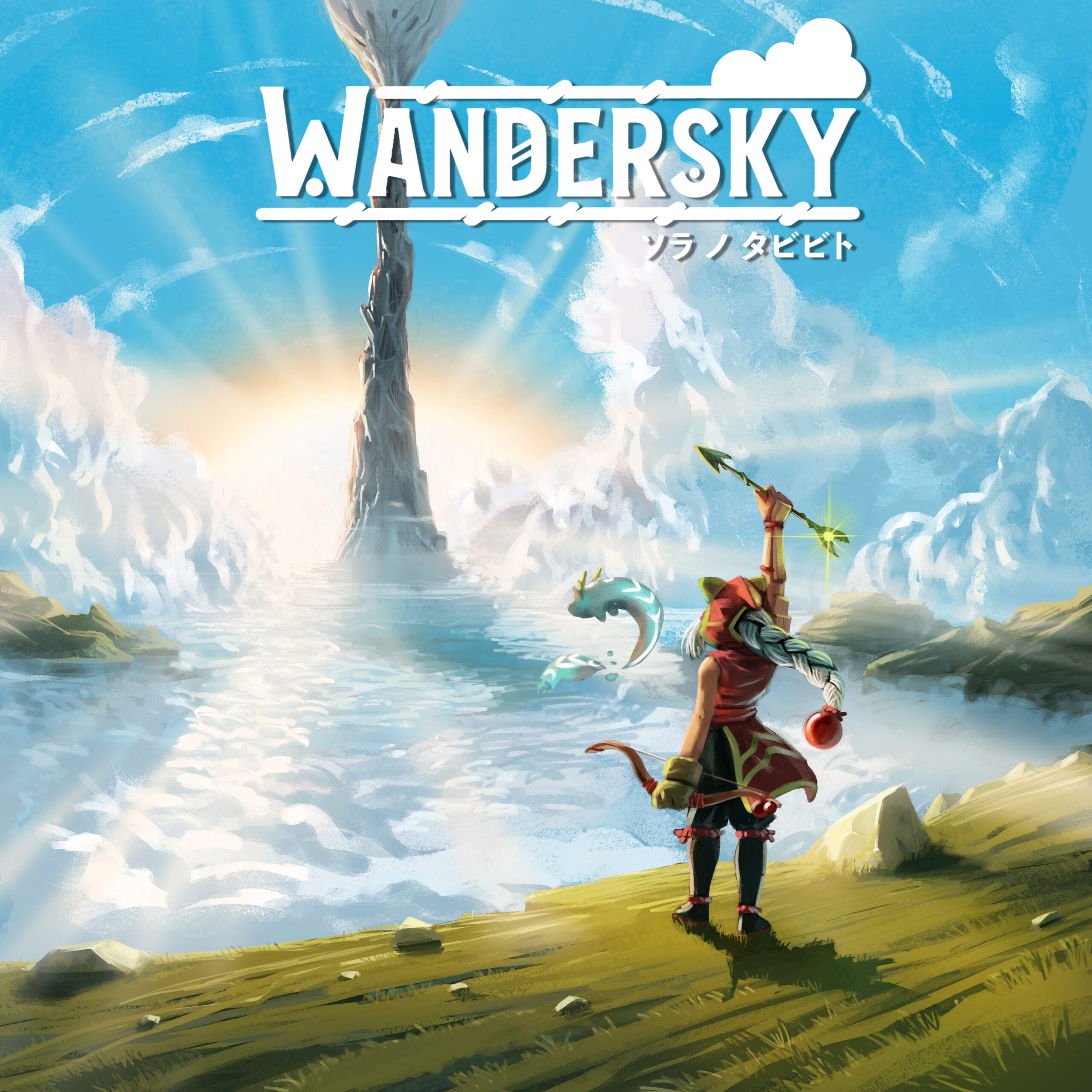
There is a very specific kind of magic that only a handful of games manage to capture. It is not just exploration. It is not just puzzle-solving or combat. It is the feeling of stepping into a world that seems ancient, wounded, and quietly alive. The kind of world where every ruin looks like it remembers something you do not. After spending time with the current pre-alpha build of Wandersky, that is the sensation that refused to leave my head.
And honestly, I did not expect that.
At first glance, Tiny Potion Tree’s upcoming adventure looks like another indie title wearing its inspirations proudly on its sleeve. The comparisons to The Legend of Zelda: Wind Waker and older top-down Zelda games are immediate and unavoidable. Floating islands, environmental puzzles, mysterious ruins, a young protagonist carrying the weight of a dying world. We have seen echoes of this formula before.
But after digging through the pre-alpha build and examining the material currently available, it became increasingly clear that Wandersky is trying to carve out something more personal. Something quieter. Something melancholic.
Set in the world of Hyndara, Wandersky follows Kuu and her companion Tama as they journey across a fractured landscape threatened by the Oremite plague. The central hook is deceptively simple: you wield a single magical arrow capable of solving puzzles, manipulating the environment, and fighting corrupted creatures.
That single-arrow mechanic is where the game immediately begins to separate itself from the pack.
From the pre-alpha footage and available hands-on impressions, the arrow is not treated like disposable ammunition. It behaves more like an extension of Kuu herself. You throw it, redirect it, recall it, and use it to activate mechanisms scattered across ancient ruins. Certain puzzles require careful positioning and angle alignment, creating interactions that feel closer to a tactile environmental puzzle game than traditional archery combat.
There is one moment in particular from the current build that stuck with me. Kuu enters a crumbling ruin where progress depends entirely on understanding the trajectory of the arrow and how it rebounds through the environment. It is simple on paper, but the way the game frames these spaces gives them a ceremonial quality. Every solved puzzle feels less like checking off a gameplay requirement and more like deciphering the language of a forgotten civilization.
That atmosphere is doing a tremendous amount of heavy lifting already.
The world of Hyndara appears drenched in environmental sorrow. Massive dead trees, abandoned pilgrimage sites, black towers looming in the distance, and whispers of ecological collapse dominate the game’s tone. The opening narration alone establishes a surprisingly somber mood, centered around Kuu burying her grandfather beneath a sacred tree before witnessing a luminous branch grow from his grave.
It is striking material for a game that initially looks cozy and whimsical.
Tiny Potion Tree repeatedly describes Wandersky as a story about “nature and hope,” and that thematic identity already feels embedded into everything shown so far. The world is not just visually inspired by nature. It feels spiritually tied to it. Even traversal reinforces that idea.
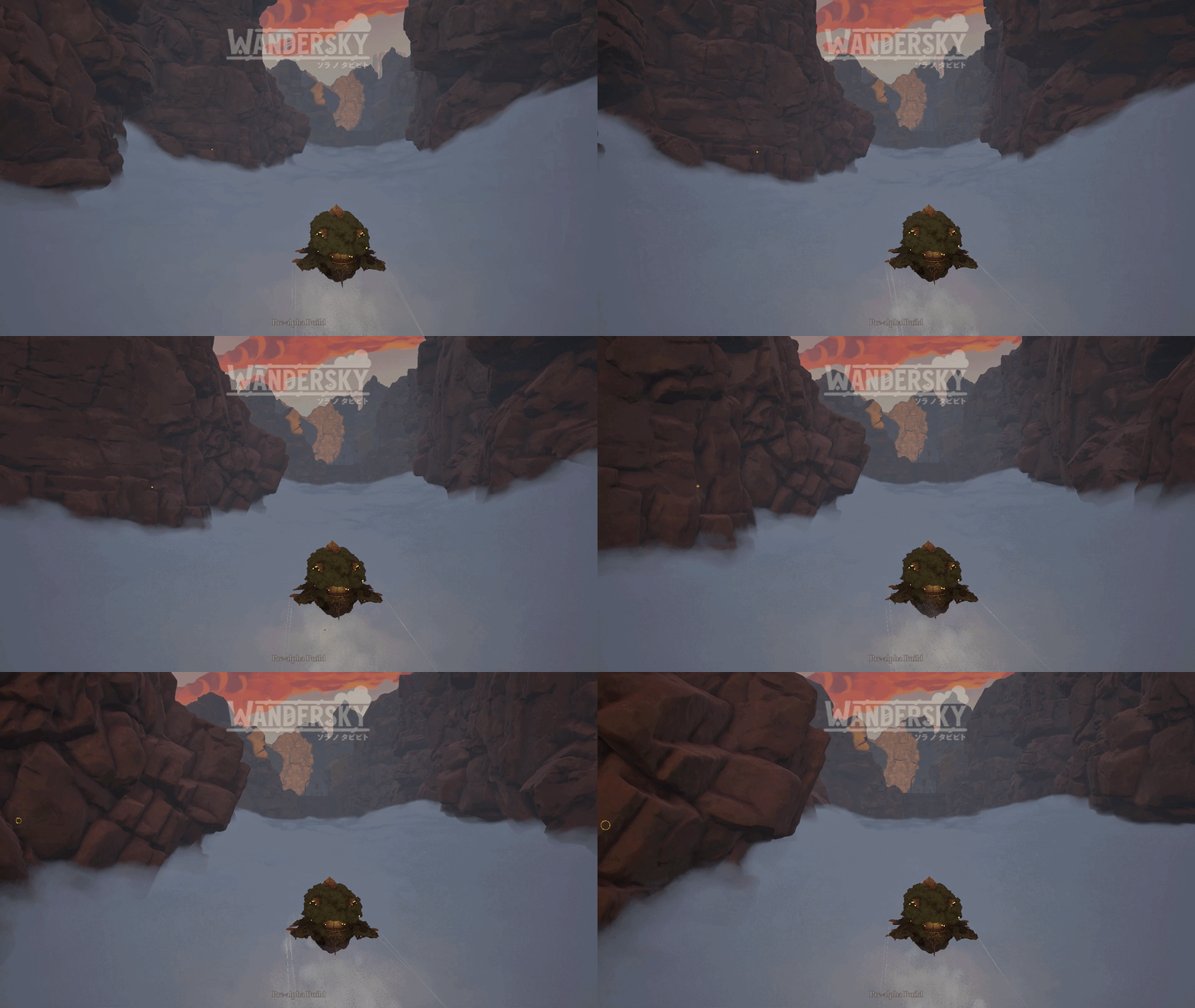
One of the game’s most immediately memorable concepts is the Genbu House – a flying treehouse that acts as both transportation and home base. Rather than simply functioning as a fast-travel gimmick, the Genbu seems designed to create a stronger emotional attachment between the player and the world itself. You sail through clouds, dock near ruins, gather resources, craft equipment, cook meals, and prepare for the next expedition.
There is an intimacy to the design that reminds me of games like Spiritfarer or even the quieter stretches of The Legend of Zelda: Skyward Sword, where movement through the world becomes meditative rather than purely functional.
Visually, Wandersky already possesses a remarkably strong identity for a pre-alpha project. The stylized environments lean heavily into soft natural palettes, oversized ancient structures, glowing crystalline elements, and sprawling skies that feel almost dreamlike. The game does not appear obsessed with photorealism. Instead, it aims for emotional texture.
And honestly, that choice suits it perfectly.
The current build clearly still has rough edges. Some puzzle interactions lack feedback, enemy encounters occasionally feel unfinished, and certain environmental interactions can appear unclear. Even the developers themselves have openly acknowledged that major UI, combat, and animation improvements are still underway.
But this is precisely why the preview feels promising instead of merely polished.
You can see the underlying vision before the final layer of refinement arrives.
Tiny Potion Tree has also confirmed that Wandersky is being developed in Unreal Engine 5 and will support Steam Deck at launch. More importantly, the studio appears deeply aware of the game’s biggest strength: atmosphere. Recent development updates heavily emphasize improvements to environmental art, sky rendering, enemy animations, and visual effects.
That focus feels correct.
Because Wandersky’s strongest first impression is not combat. It is the mood.
There is an unmistakable loneliness hanging over the game’s world. Not oppressive loneliness, but reflective loneliness. The kind that invites curiosity. You see distant structures and immediately want to know what happened there. You hear vague references to sacred entities and corrupted lands and start mentally assembling the mythology yourself.
That sense of mystery is increasingly rare in modern action-adventure games that often overexplain everything within the first hour.
If Wandersky can maintain that restraint while refining its mechanics and exploration systems, it could become something genuinely special. Not just another indie Zelda-like, but a thoughtful adventure with its own emotional rhythm and identity.
For now, it remains an early build. There is still a long road ahead before its planned 2027 release. But even at this stage, there is enough here to justify keeping a very close eye on it.
Because sometimes the most memorable adventures are not the loudest ones.
Sometimes they are the quiet journeys drifting somewhere above the clouds, waiting patiently for players willing to wander.
You can wishlist it here – Wandersky Steam Page
About The Author