Avinash Rohra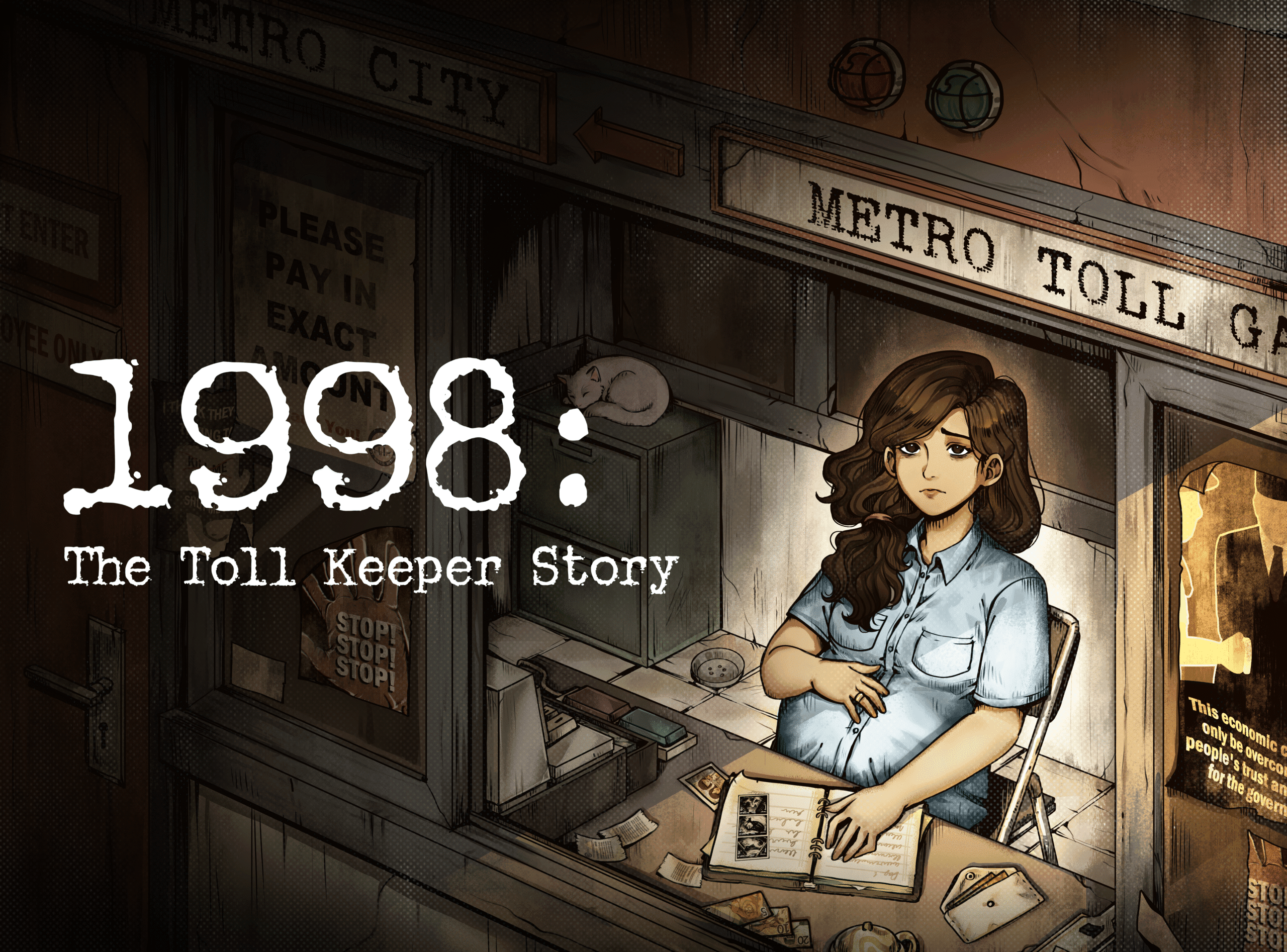
There was a moment, during an evening shift in “1998: The Toll Keeper Story,” when a man in a battered sedan handed me a wad of bills, only for the UV lamp to reveal the telltale shimmer of forgery. Behind him, a line of frustrated drivers stretched into the dusk, their radios blaring news of riots and rice shortages. In that quiet clash a desperate father pleading, a job on the lineI realized that every car window was a crossroad, every voice a test of conscience. The toll booth wasn’t just my workplace; it felt like the heart of a nation teetering between chaos and hope.
History Through Everyday Eyes
Janapa is a fictional nation inspired by real Southeast Asian history most directly, the volatility of Indonesia in 1998 during its economic collapse. Players live a few tense weeks in Dewi’s life during civil unrest and food shortages, confronting daily uncertainty. You’re asked to man a toll booth, but your job isn’t just transactional; every face passing your window tells a story, echoing broader social upheaval. News radio, small talk, and shifting weather all conspire to make the world outside feel vivid and fragile.
Challenge of Rules and Choices
Initially, your tasks are simple: check the car, count the toll, wave the driver through. But rules compound quickly. You’re soon expected to spot forged bills with a UV lamp, scan trunks for contraband, enforce government crackdowns on protests, and determine eligibility for travel based on a growing list of bureaucratic guidelines. The gradual addition of these mechanics keeps each shift feeling distinct and tense, without overwhelming you upfront.
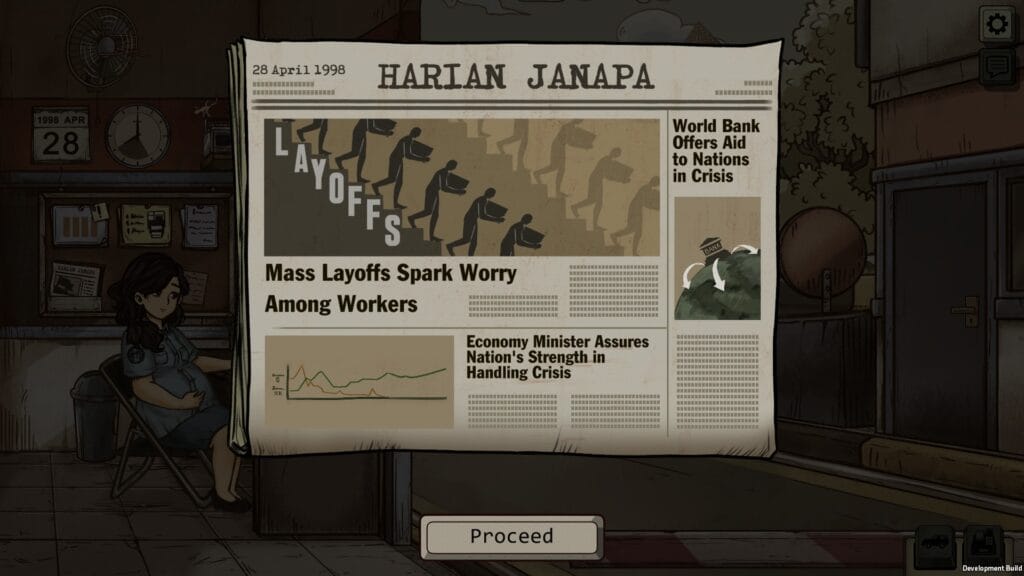
Mistakes sting financially. Every missed regulation, wrong charge, or overlooked bribe either costs you a fine or tears into your daily earnings. What’s more, choices like helping a desperate citizen or letting a suspicious vehicle pass can have real consequences for Dewi’s survival and the nation’s fate. These moral dilemmas are central, inviting reflection and shaping multiple possible endings depending on your approach.
Emotional Resonance
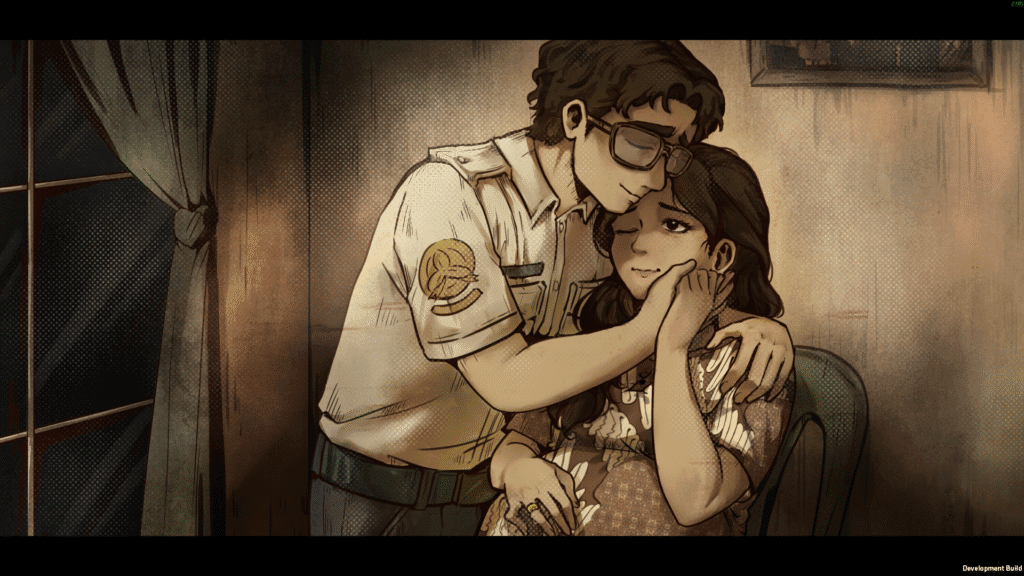
Dewi isn’t just an avatar; she’s a person with anxieties, relationships, and real vulnerabilities. Through diary entries, late-night discussions, and recurring toll booth visitors, the narrative draws you in, making everyday decisions feel personal. Reviews highlight that your empathy is regularly tested, and your decisions genuinely affect not just Dewi and her baby, but the lives of those passing through the booth.
What sets the experience apart is this careful blending of personal risk and wider social dramathe sense that your small acts might matter amid chaos, even as events seem impossible to control.
Visuals and Sound
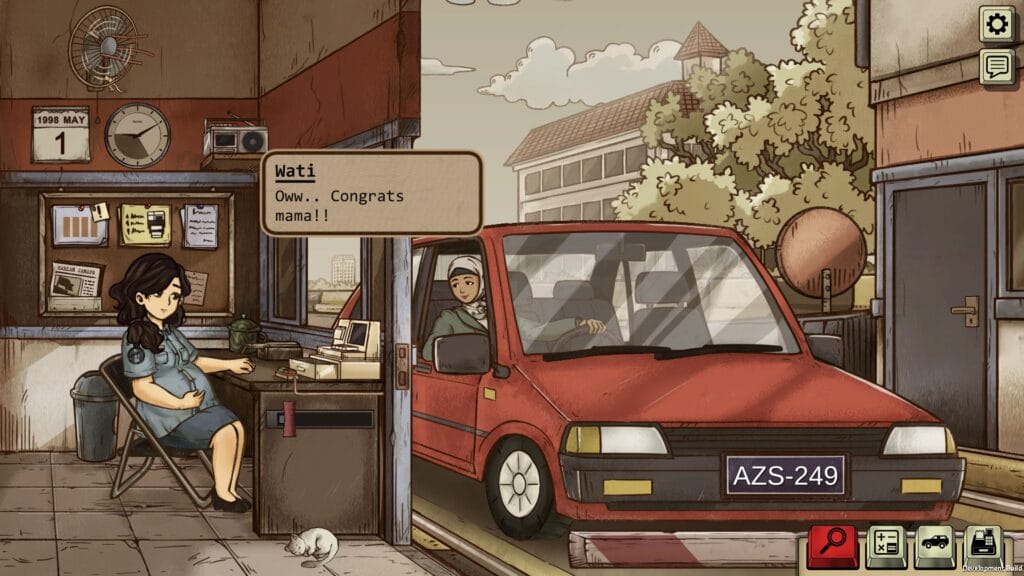
The game employs a hand-drawn, muted cartoon art style that fits the era and social mood. Backgrounds grow bleaker over time, from hopeful skies to a landscape marked by protests and military tension. Animations are minimalist but effective, emphasizing emotional moments. While the score and sound effects mostly support the action, not all music cues hit the intended tone, sometimes undercutting the narrative’s tension.
Interface and Replayability
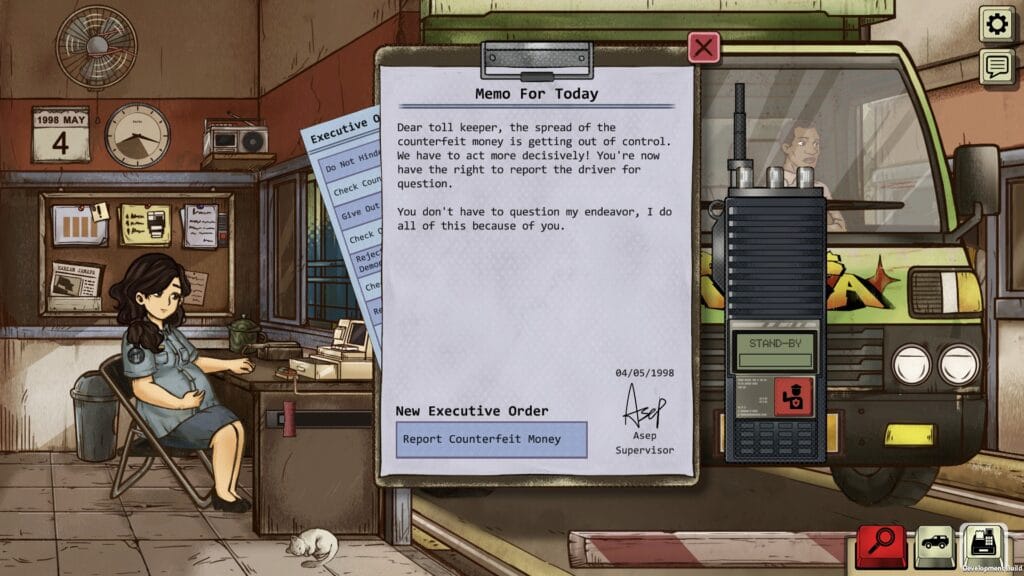
The interface works well at first, but the later stages can get cluttered as new rules stack up and more checks are required. Reports of accidental misclicks and missed dialogue are common, suggesting a need for some QOL polish. Fortunately, the game’s manageable length (about four to five hours) and generous branching outcomes keep repeat plays rewarding. Players seeking to carve out a different path or arrive at another ending will find meaningful incentives to revisit Dewi’s story.
Final Thoughts
Score: 3.5 / 5
1998: The Toll Keeper Story leaves a genuine impression by asking what it means to do the right thing in difficult times. Simplicity of the central mechanic is offset by its narrative weight, evoking empathy for those on both sides of the booth. Its technical stumbles frustrate in moments, but don’t dampen the lasting impact of its themes.
Those who enjoy management games with a conscience who crave stories grounded in real human challenges will find it a resonant, sometimes haunting journey. It’s not flawless, but it’s a rare game that succeeds in making small choices feel urgent within a believable world.
1998: The Toll Keeper Story stands out as a thoughtful work simulation that crafts an immersive, morally nuanced experience within the tight confines of a toll booth. The game excels in evoking its period setting and engaging players in meaningful choices, but falls short in some technical and pacing aspects.
This review is based on the PC version, with a code provided by the game’s publishers.
About The Author