The Great Indian Safari Asks a Different Question: What If Management Sims Were About Care, Not Control?
 Avinash Rohra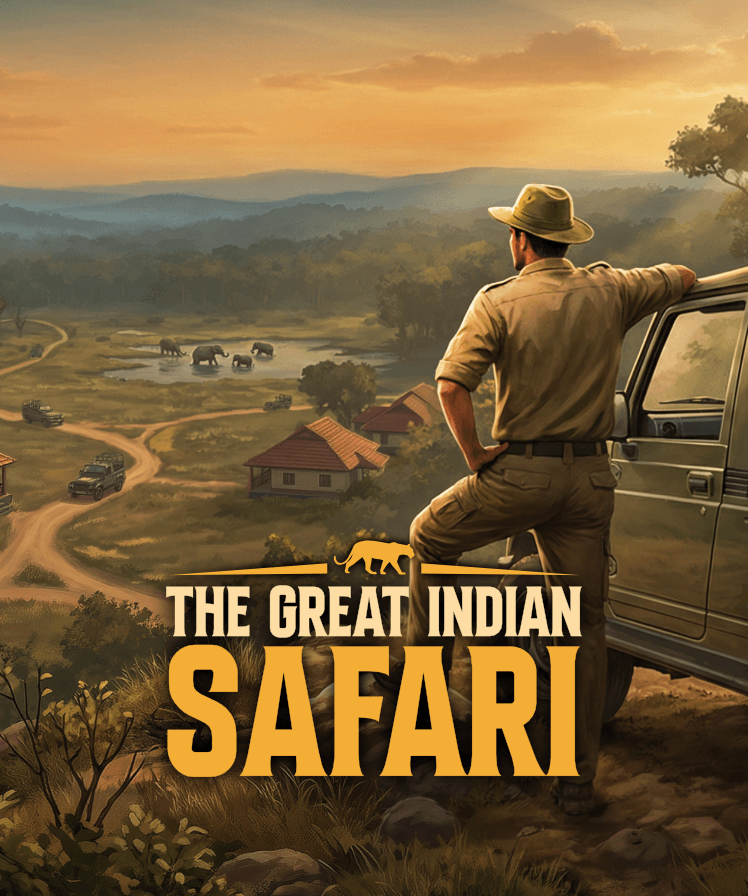
There are management sims that ask you to optimize spreadsheets, and then there are the rare ones that ask you to slow down, observe, and actually look. The Great Indian Safari, newly announced for PC, very clearly wants to be the latter.
The Great Indian Safari is an upcoming wildlife photography and management simulation from Flying Robot Studios, published by SYV Games LLP. It is currently targeting a release window between February and June 2027 on Steam, with pricing still to be announced.
From the outset, the pitch is refreshingly clear. This is not a zoo builder. You are not lining up enclosures or optimising gift shops. Instead, The Great Indian Safari places players in charge of an open Indian wilderness reserve, where conservation, ecosystem health, and ecotourism are tightly interlinked. The goal is not simply to attract visitors, but to create a living environment where wildlife thrives, and where great photographs emerge naturally as a result.
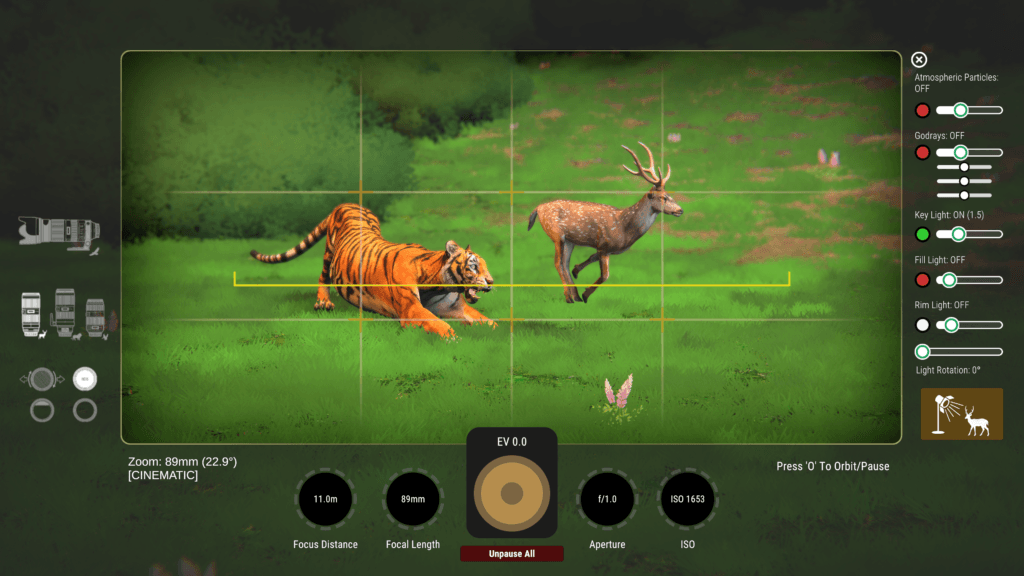
Photography is the game’s defining mechanic, and it is treated as far more than a cosmetic extra. According to the developers, wildlife moments are generated dynamically based on ecosystem health, animal traits, and random events. Capture those moments well and your reserve’s reputation grows. Miss the balance between conservation and tourism, and the entire system begins to strain. Photos are scored on factors like species, action, lighting, composition, and risk, with standout shots capable of delivering major reputation boosts and increased visitor interest.
This idea feeds directly into the game’s core loop: Plan, Build, Observe, Capture, Intervene, Iterate. You plan the layout of your reserve with animal needs and visitor flow in mind, build infrastructure such as safari routes and lodges, and then observe as wildlife behaviour begins to emerge. When crises arise, and they will, you step in, respond, and adapt, refining your approach as your reserve evolves.
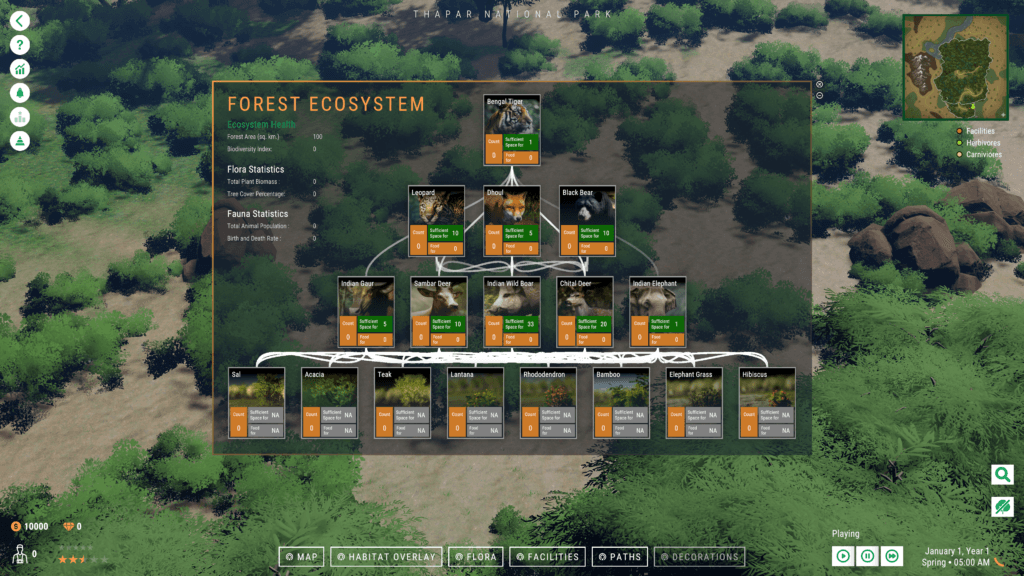
Crucially, success is measured across two interconnected reputation systems. Ecosystem Health tracks factors like species diversity, habitat stability, and conservation efforts. Ecotourism Health focuses on visitor satisfaction, facilities, photo opportunities, and financial stability. The press materials are explicit: neglect either side and progress stalls. The game is built around the idea that long-term success comes from balance, not exploitation.
The wildlife itself is rooted firmly in the Indian subcontinent. Players can expect to encounter Bengal tigers, Asian elephants, leopards, and one-horned rhinos, each with unique behaviours, habitat requirements, and ecological roles. Beyond systemic simulation, the game also introduces named “legendary” animals, individual creatures with ongoing narrative arcs. These animals can be followed across significant life events, including births, deaths, and coming-of-age moments, often tied to special photographic opportunities.
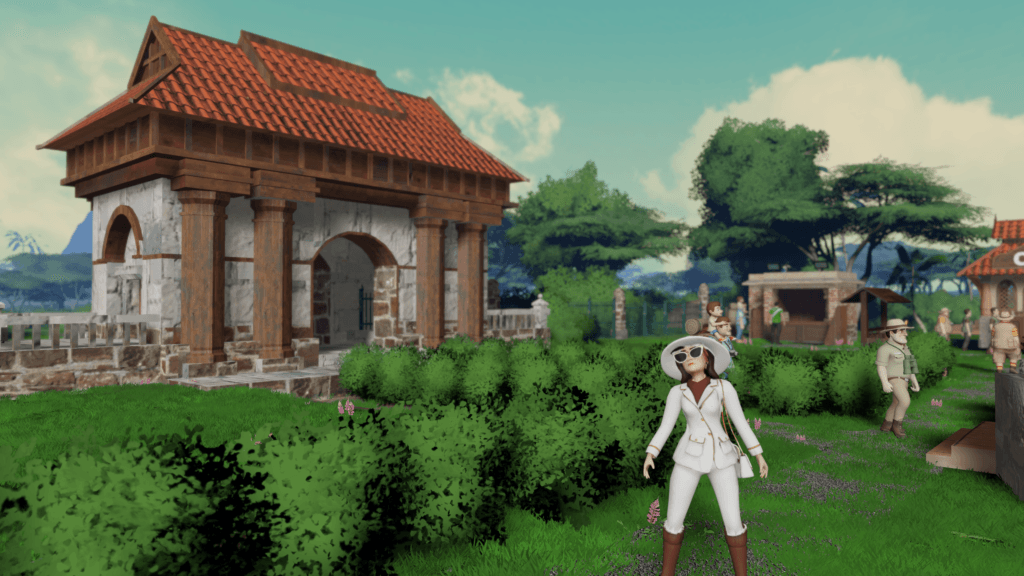
Human visitors are just as carefully systemised. The Great Indian Safari features eight distinct visitor personality types, ranging from budget-conscious nature lovers to luxury tourists and dedicated wildlife photographers. Each group has specific preferences, encouraging players to shape their reserve around particular audiences or attempt the more difficult task of pleasing everyone at once.
Staff management avoids individual micromanagement in favour of pool-based assignments. Players allocate teams across departments such as veterinary services, rangers, guides, hospitality, and operations, with staff efficiency influencing everything from emergency response to photo discovery rates. It’s a structural choice designed to keep the focus on big-picture decisions rather than busywork.
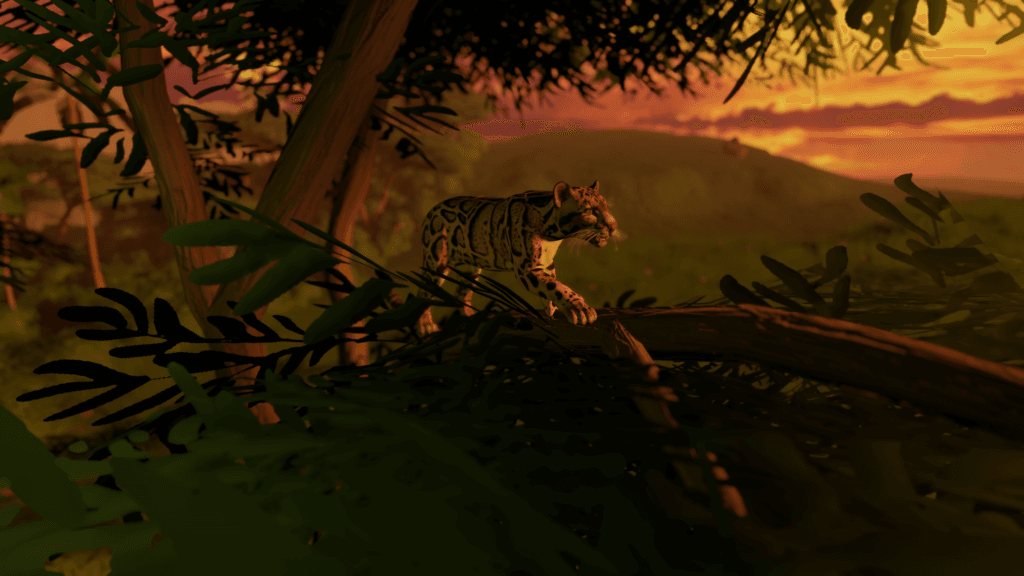
Dynamic events add further texture. The press kit lists monsoon migrations, poaching threats, disease outbreaks, flash floods, rare species visits, celebrity arrivals, and conservation inspections among the scenarios players will face. Each event demands a response, and each response carries consequences across both reputation systems.
From a technical standpoint, the game is being developed in Unity and is targeting resolutions from 1080p through to 4K. Steam Deck compatibility is being targeted, and accessibility options confirmed so far include colourblind modes, UI scaling, and gameplay speed adjustments. The experience is single-player, with English language support confirmed and additional languages planned.
Creative Director Satyajit Chakraborty sums up the philosophy succinctly, stating that the team wanted every great photograph to act as proof of a healthy, functioning ecosystem rather than a staged moment. He also highlights the lack of Indian wildlife and conservation stories in games, positioning The Great Indian Safari as a deliberate attempt to fill that gap.
If the final game delivers on what’s outlined here, The Great Indian Safari could offer something quietly radical for the genre: a management sim where patience, care, and observation are just as important as optimisation. It’s still early days, but this is an announcement that feels worth paying attention to, not because it promises spectacle, but because it promises intention.
About The Author