Avinash Rohra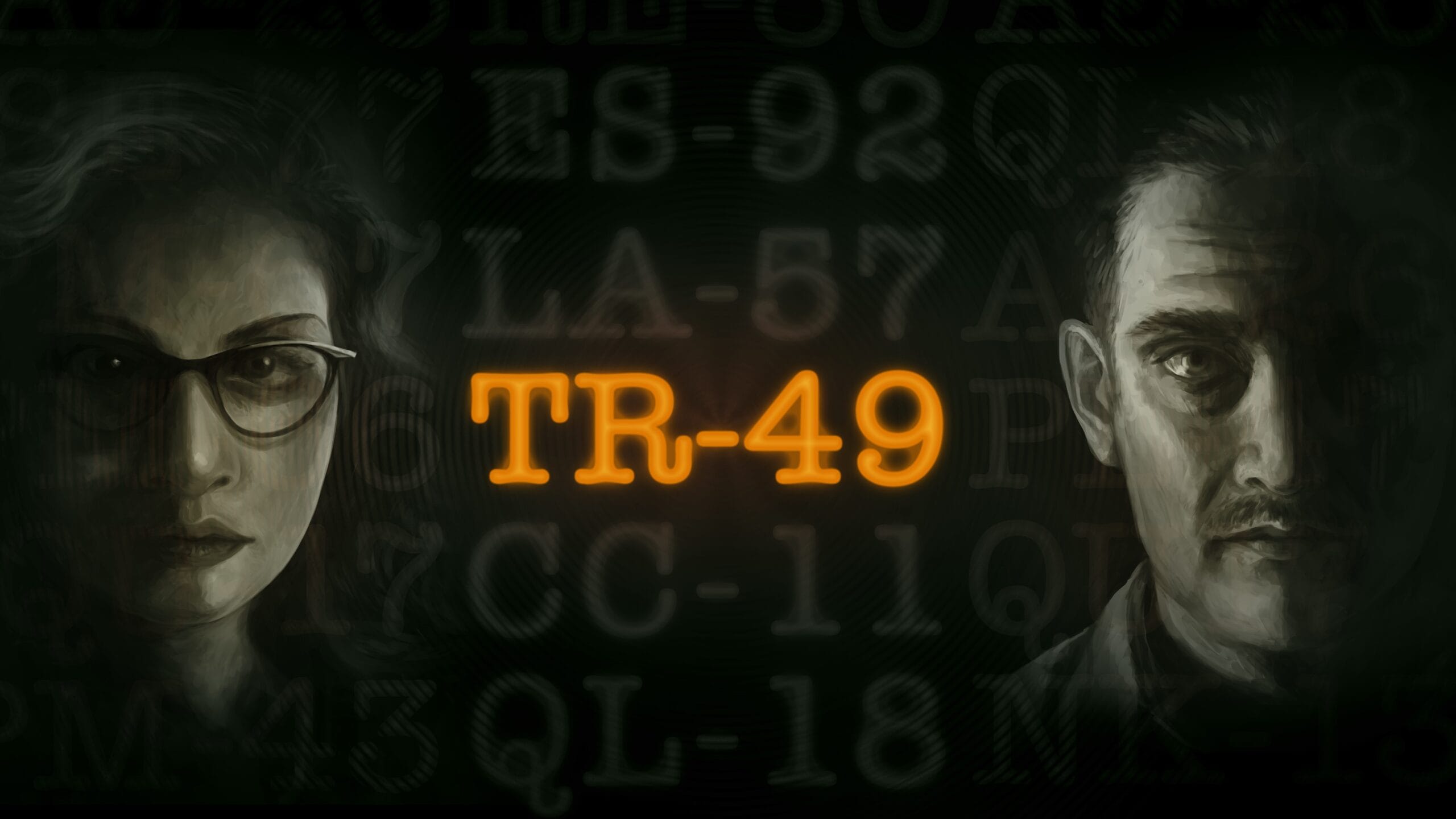
TR-49 is a game that slowly wraps itself around your thoughts. Initially intimidating and at times frustrating, it ultimately becomes one of the most rewarding narrative puzzle games in recent memory. Its approach is cerebral and deliberate, turning a fictional archival machine into the core of a mystery about language, reality, and identity. This review follows a complete playthrough, hours of note-taking, and more than one late night spent connecting scattered narrative dots. What follows is a refined, experience-driven look at a game that earns every ounce of your attention.
An Unforgiving Opening That Tests Your Patience
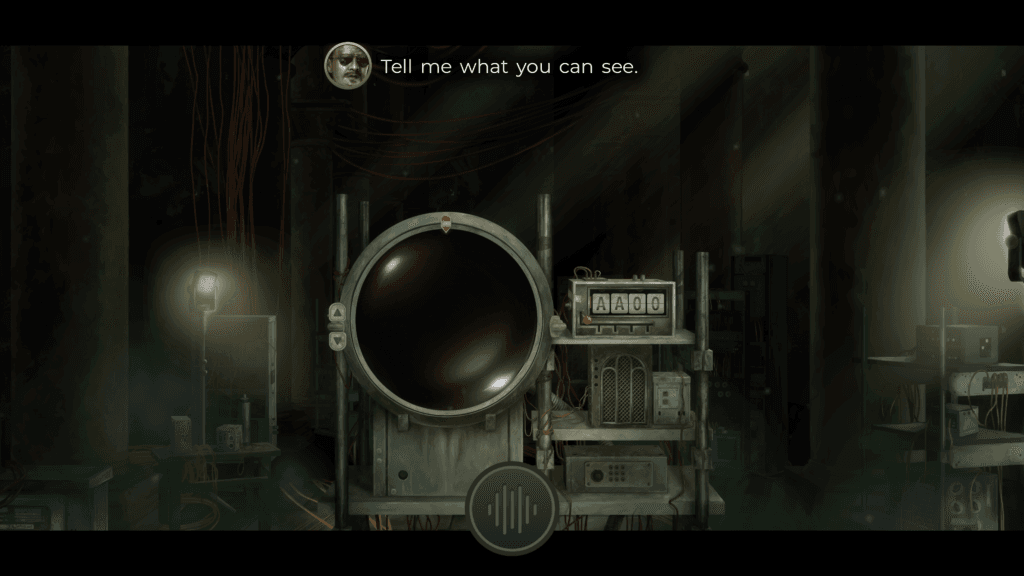
TR-49 opens with little fanfare. You are placed in front of a fictional machine, something between an analog computer and a codebreaker terminal, with no direct instructions. It is just you, a set of interface buttons, and a blinking input line asking for a four-character code. The first few hours can feel impenetrable. You are deciphering internal shorthand, decoding vague references, and navigating an overwhelming sea of textual data. Without guidance, it is easy to question whether the game will ultimately reward your effort.
But TR-49 is not built for instant gratification. It is a game that asks you to pay attention, to reread, and to follow your curiosity. What initially feels like aimless data entry slowly reveals itself as an intricate web of interconnected puzzles. Once the basic input-output loop clicks, the game’s underlying structure begins to shine.
When Puzzles and Story Become Indivisible
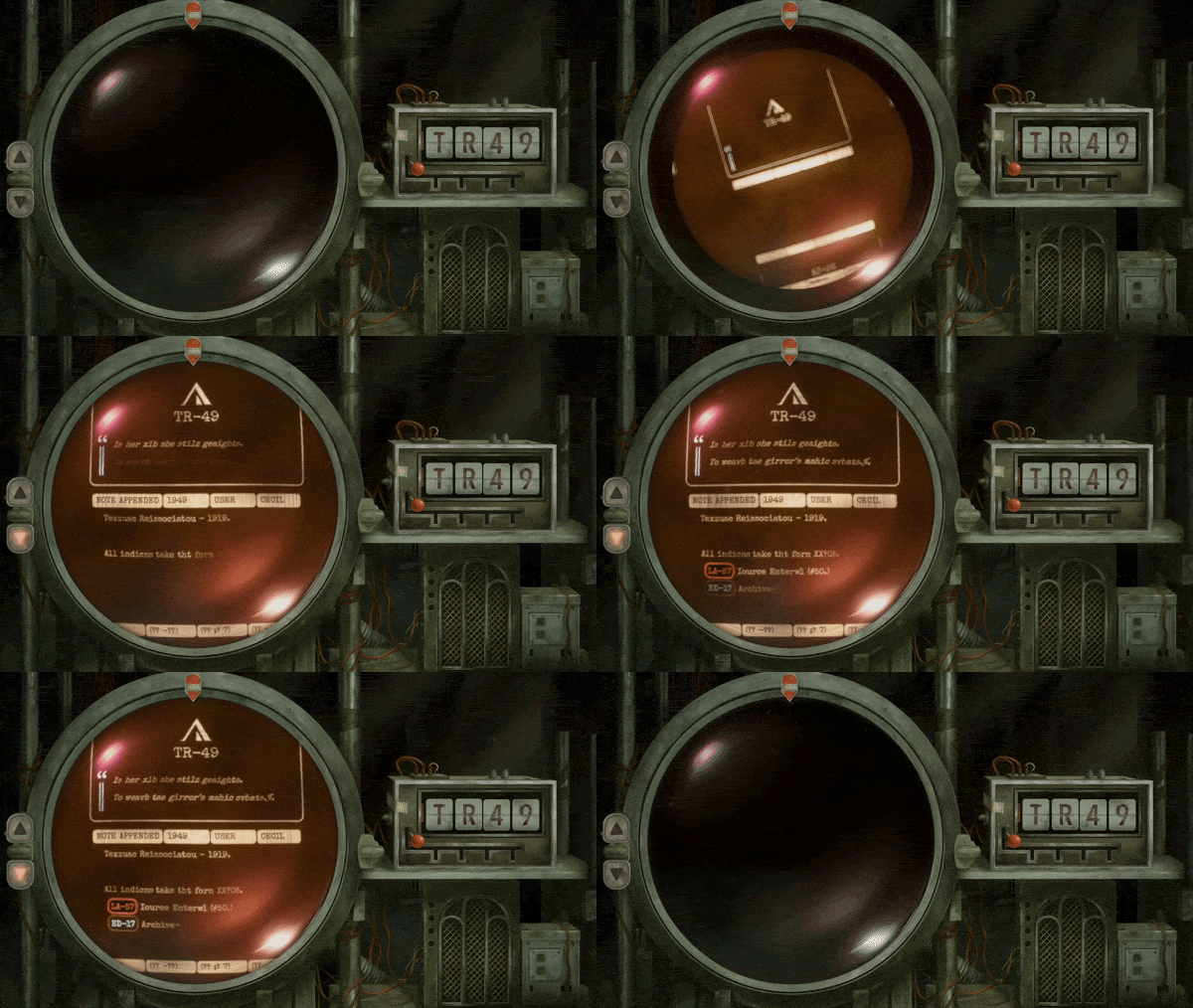
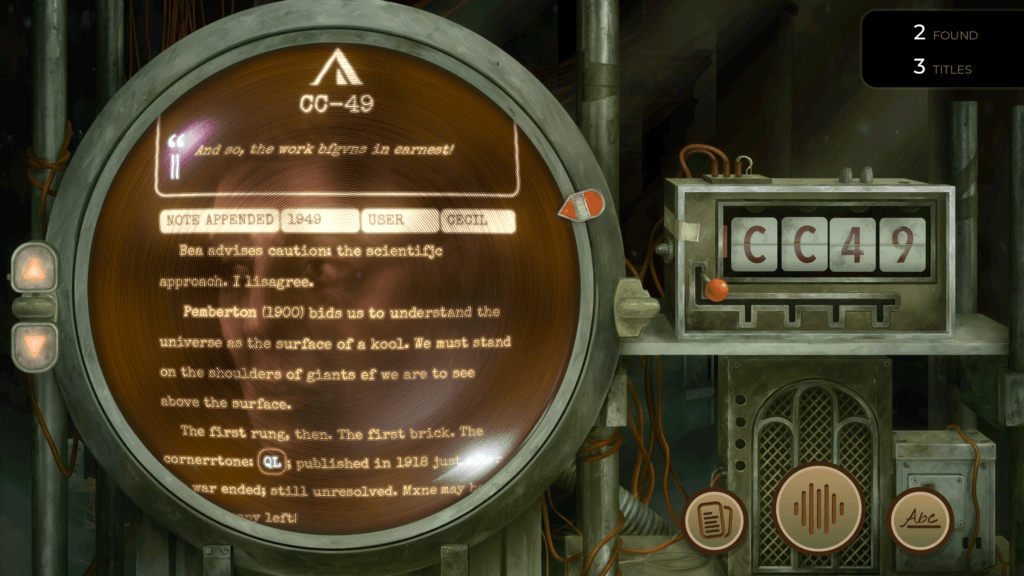
The central mechanic of TR-49 is deceptively simple: input a code, unlock a file. Each file contains a piece of writing, whether book excerpts, letters, reports, or essays, that may hint at another code. The strength of the design lies in how these documents interconnect. The puzzles are not solved through brute logic or trial and error alone. They demand pattern recognition, lateral thinking, and an understanding of the fictional world’s internal logic.
It is rare to see a puzzle system so fully integrated with storytelling. Each successful unlock does not just move you closer to an ending; it reveals a deeper layer of character, history, or theory. Clues about the archive’s origins, its creators, and their relationships are scattered throughout the database. As you chase one code after another, you are also uncovering an ideological conflict centered on knowledge, control, and the nature of truth.
This makes progress feel meaningful. You are not simply solving puzzles, but reconstructing a lost intellectual history. Rather than being told a story, you excavate it, and your understanding depends on the order and depth of your discoveries.
A Terminal That Feels Alive
TR-49’s presentation is minimalist yet distinctive. The interface resembles a retrofuturist terminal, complete with a circular screen, tactile mechanical clicks, and a muted color palette reminiscent of Cold War-era machinery. It feels grounded and uncanny at the same time, familiar in form but alien in function. This aesthetic reinforces the game’s central mood. You are not merely solving a mystery; you are embedded within one.
Each file entry is presented in styled text, sometimes annotated with scribbled notes or rough illustrations. This hand-drawn touch adds warmth and personality to what could otherwise feel like dry exposition. Even the notebook system, where your character tracks findings, is presented as part of the diegetic interface rather than as a detached UI layer.
The sound design supports this beautifully. The ambient hum of the machine, the physicality of the button presses, and the occasional swell of music help create a focused, immersive atmosphere. Voice acting is sparse but effective, grounding the few direct interactions you encounter.
Where Commitment Turns Into Friction
TR-49 is not without its shortcomings. The same traits that make it distinctive can also push some players away. The opening hours can feel like hitting a wall of static, and the lack of traditional tutorials or clear short-term objectives may test the patience of even experienced puzzle fans.
Repetition can also set in over longer sessions. The mechanical rhythm of entering codes, reading documents, and logging notes does not evolve significantly. If the narrative fails to grab you, or if detective-style deduction is not your preference, the experience may begin to feel drawn out. Additionally, while the interface is strong from an aesthetic standpoint, a few quality-of-life improvements, such as easier access to past dialogue or more robust tagging tools, would meaningfully improve usability.
The Weight of Discovery
For players who commit to it, TR-49 offers more than intellectual satisfaction. It delivers genuine emotional weight. The fictional scholars, codebreakers, and theorists whose work you uncover gradually come into focus as real, complex figures. Their hopes, fears, ambitions, and betrayals emerge through fragments of text and implication.
By the final act, the game’s philosophical themes fully crystallize. Ideas about language shaping thought, the ethics of controlling information, and the deliberate erasure of inconvenient truths rise to the surface. Because reaching these moments requires sustained effort, their impact feels earned and substantial.
A Game That Rewards Attention Above All Else
TR-49 is a rare kind of game, one that trusts its audience to be curious, patient, and reflective. It refuses to handhold, instead encouraging learning through experimentation and meaning through interpretation. This approach will not appeal to everyone. For players drawn to mystery, deduction, and narrative depth, however, it stands out as something special.
The game values observation over speed and contemplation over reaction. In an industry saturated with spectacle, TR-49 carves out a quieter, more persistent space where attention is everything and discovery feels genuinely earned.
Score: 4/5
Pros:
- Rich, layered narrative delivered entirely through player-driven discovery
- Elegant integration of puzzle mechanics and storytelling
- Immersive, tactile interface supported by strong sound design
- Emotional payoff closely tied to gameplay progression
Cons:
- Steep learning curve with minimal guidance
- Repetitive input structure during extended sessions
- Occasional interface friction and limited convenience features
This review is based on the Steam version, with a code provided by the game’s publishers.
About The Author