Avinash Rohra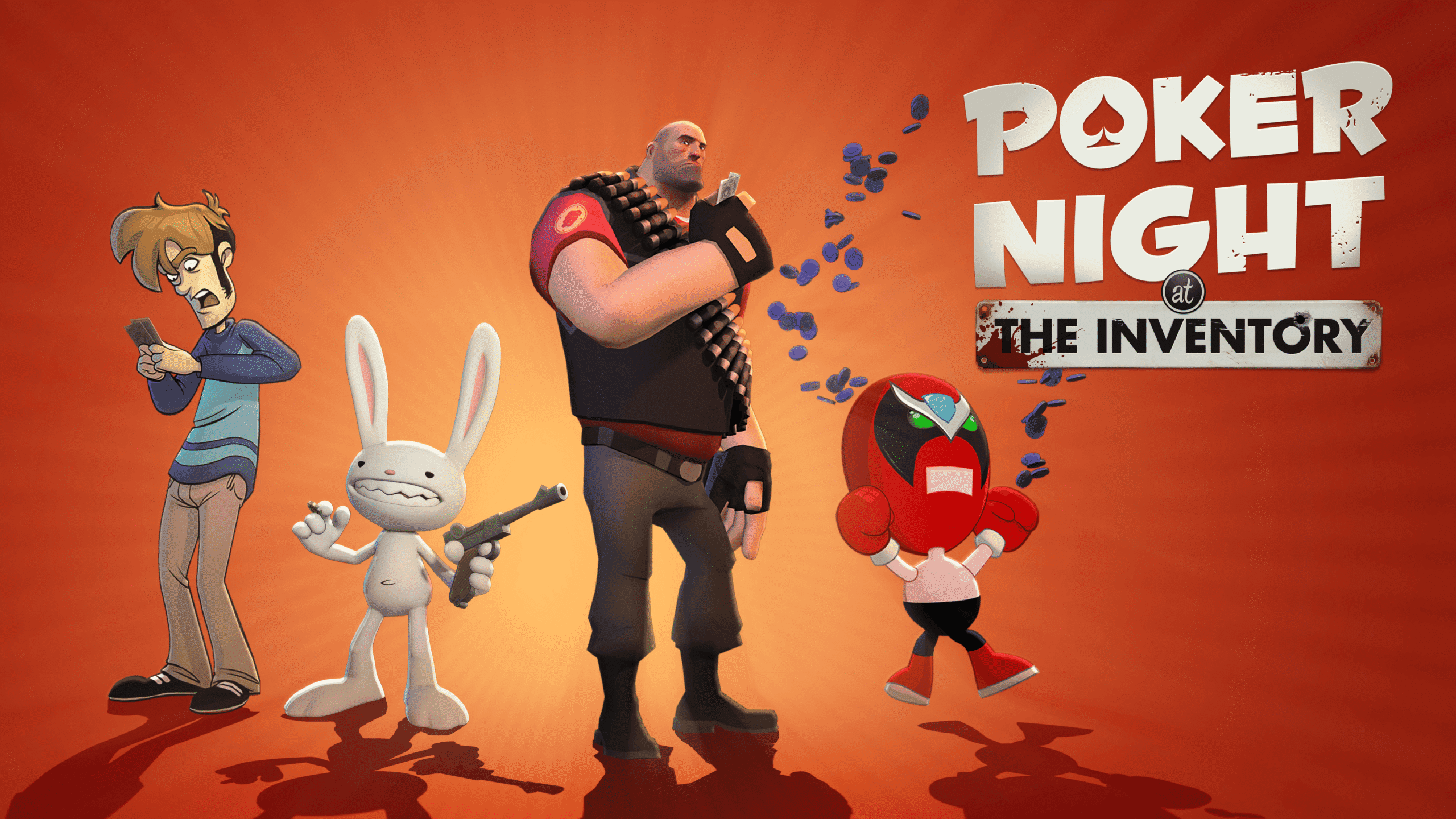
Poker Night at the Inventory returning in 2026 feels a little like walking into a bar that quietly closed years ago only to find the same regulars still sitting at the same table. The lights are low, the cards are worn from years of use, and the arguments have somehow been going on the entire time.
For a game built around something as simple as poker, Poker Night at the Inventory has always been an unusual experiment. Originally released in 2010 by Telltale Games, the title became a cult favorite for one simple reason. It was never really about poker.
It was about the conversation around the table.
The 2026 remaster brings the game back to modern platforms after years of being delisted from digital stores. The core concept remains untouched. You sit down for a game of Texas Hold’em with a group of characters pulled from completely different corners of gaming and internet culture. The cards are real, the stakes escalate, but the real entertainment comes from the personalities at the table.
After several evenings spent revisiting the Inventory on PC, it becomes clear that this strange little crossover still works surprisingly well.
Poker as a Stage for Comedy
Mechanically, Poker Night at the Inventory is straightforward. It is a single-player Texas Hold’em game where you compete against AI opponents in a rotating poker match.
Blinds increase, chips move around the table, and you attempt to outplay the others with smart betting or carefully timed bluffs. Anyone who has played even a basic poker video game will understand the rules within minutes.
But gameplay was never meant to carry the experience on its own.
Every match is accompanied by constant conversation between the characters. They tease each other, argue about bizarre personal histories, and react dramatically whenever someone makes a risky bet. A simple raise can trigger an entire conversation thread that spills into the next few hands.
It turns what could have been a dry card simulator into something closer to a comedic stage play.
Poker becomes the structure that keeps the dialogue moving forward.
A Crossover Cast That Should Not Work but Absolutely Does
One of the biggest reasons Poker Night at the Inventory developed such a loyal following is the bizarre lineup of characters sitting around the table.
The roster pulls personalities from wildly different franchises:
- Max from Sam & Max
- Strong Bad from Homestar Runner
- The Heavy from Team Fortress 2
- Tycho Brahe from Penny Arcade
On paper, this combination makes almost no sense. These characters come from entirely different creative worlds. Yet the writing leans into that absurdity and turns it into the game’s greatest strength.
Max’s chaotic energy collides perfectly with Tycho’s dry sarcasm. Strong Bad constantly tries to assert dominance while The Heavy delivers deadpan threats about crushing opponents.
The result is a table where the real battle often happens in conversation rather than through cards.
And because dialogue lines shift depending on game events, the experience rarely feels repetitive even after multiple sessions.
The Remaster Is About Preservation More Than Reinvention
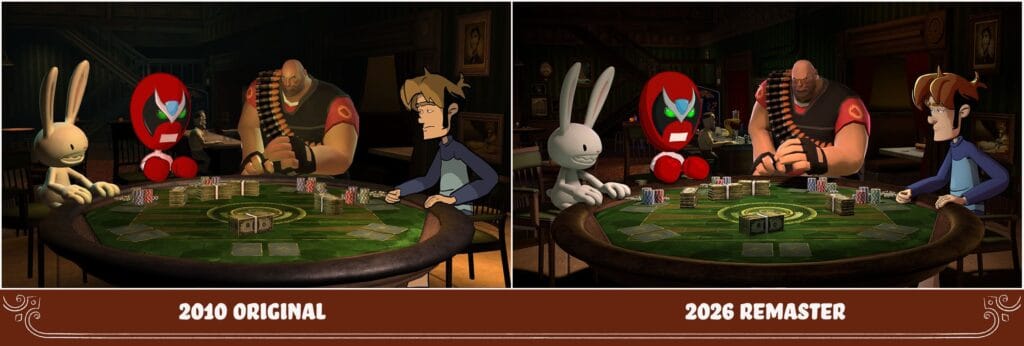
The 2026 version of Poker Night at the Inventory focuses on bringing the game back rather than dramatically redesigning it.
Visual improvements are subtle but welcome. Character models appear sharper, animations are smoother, and the interface adapts comfortably to modern resolutions. The overall aesthetic remains faithful to the original Telltale presentation.
More importantly, the remaster ensures the game runs properly on modern systems. For years, the title was difficult to access after being removed from storefronts following licensing complications and Telltale’s closure.
This rerelease finally restores a small but beloved piece of gaming history.
It also preserves the game’s wonderfully simple structure. There are no battle passes, daily challenges, or progression systems layered on top of the experience.
Just poker. And conversation.
Where the Game Shows Its Age
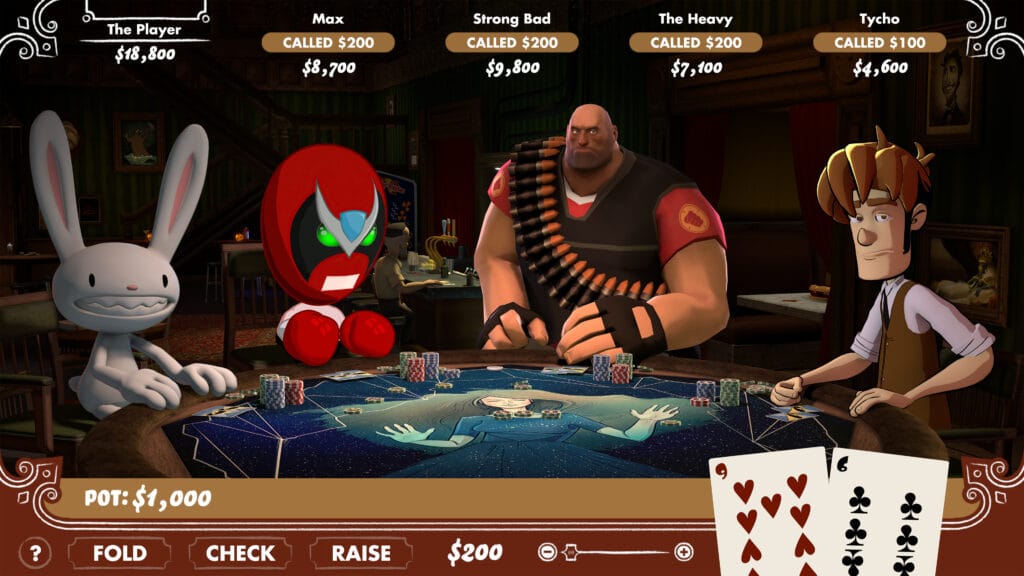
Of course, revisiting Poker Night at the Inventory today also reveals its limitations.
The entire experience takes place at a single table in the same warehouse location known as the Inventory. While the dialogue keeps the atmosphere lively, the environment never changes.
Players looking for variety in modes or gameplay systems will not find much here either. There are no alternate rule sets or expanding campaigns. The game is simply Texas Hold’em played repeatedly against the same group of characters.
For some players, that narrow focus may limit long-term appeal.
But the game never pretends to be anything larger than it is.
A Small Game With a Surprisingly Lasting Charm
What makes Poker Night at the Inventory still worth revisiting in 2026 is the same quality that made it memorable in the first place.
Personality.
Few games capture the casual energy of sitting around a table with unpredictable people quite like this one. The conversations feel spontaneous, the jokes land more often than they miss, and even losing a hand can be entertaining if the table erupts into another ridiculous argument.
In a gaming landscape dominated by massive open worlds and live-service ecosystems, there is something refreshing about a small game built around nothing more than cards and characters.
Poker Night at the Inventory remains a reminder that sometimes the most memorable gaming experiences come from the simplest setups.
Just a table, a deck of cards, and a room full of personalities that refuse to shut up.
Final Score: 4 / 5
Pros
- Excellent character writing and voice performances
- Simple, accessible poker mechanics
- Unique crossover cast with strong chemistry
- Faithful remaster that restores a cult classic
Cons
- Limited gameplay variety
- Single environment throughout the experience
- Players uninterested in poker may lose interest quickly
Poker Night at the Inventory is still one of gaming’s strangest crossover experiments. Fifteen years later, the table talk alone remains reason enough to sit down for another hand.
This review is based on the Steam version, with a code provided by the game’s publishers.
About The Author