Hotel Barcelona: Under New Management (Re)Review – The Hotel Didn’t Change, It Finally Woke Up
 Avinash Rohra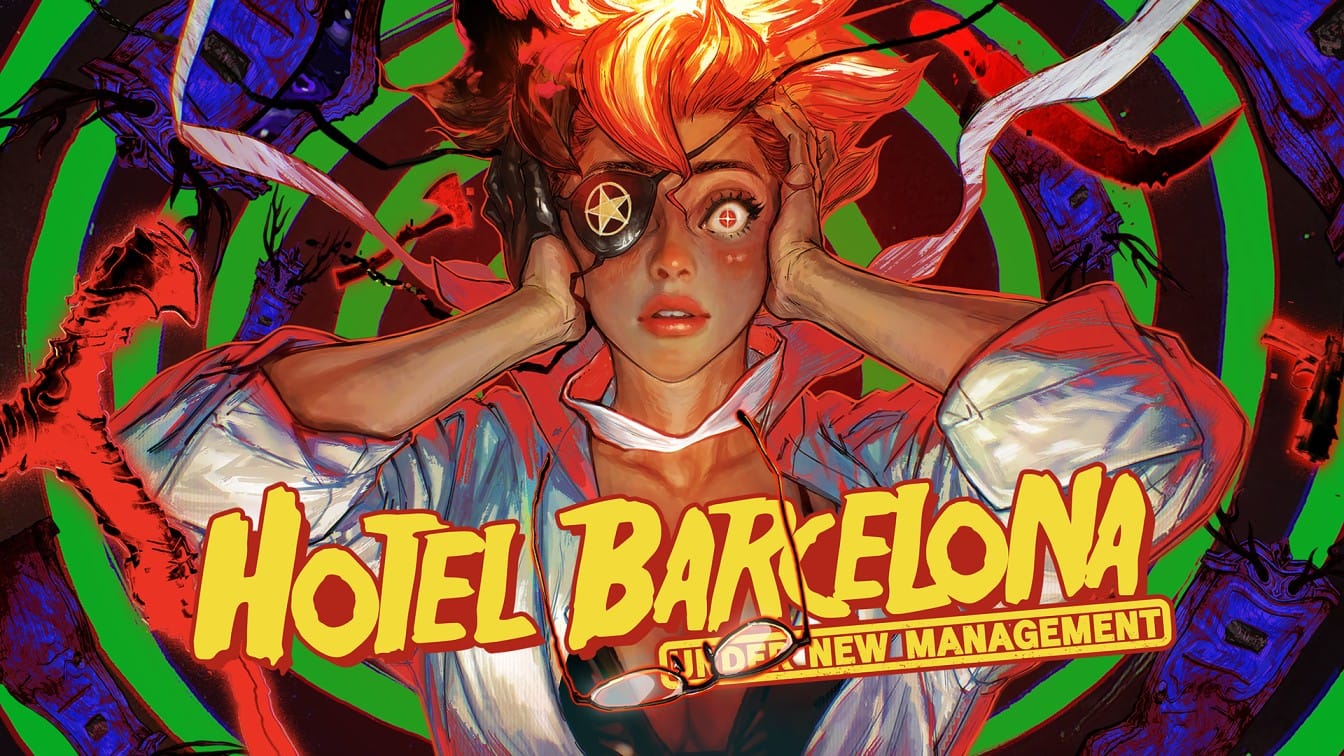
I didn’t expect to come back. When I first walked out of Hotel Barcelona I left with a mix of admiration and frustration, along with the feeling that I had played something brilliant that hadn’t fully come together. It had that distinct Swery and Suda51 energy: messy, ambitious, inspired, but held together by sheer determination.
You can check our original review from launch here.
So when the Under New Management update arrived, excitement wasn’t the right word. It was curiosity. Curiosity is what makes you reinstall a game late at night and promise yourself just one run to see what changed. It is also how I ended up spending another dozen hours in this strange, blood-soaked world, gradually realizing that this is not just a patch. It is a correction. More importantly, it shows that Hotel Barcelona always knew what it wanted to be. It just needed time and clarity to become it.
What is most interesting is that, structurally, the game remains the same. The seven-floor descent into genre horror is intact. Justine is still trapped, the killers are still exaggerated figures pulled from cinematic nightmares, and the tone still swings between absurdity and dread. Yet the way the game feels is entirely different.
The original often felt sluggish, as if you were dragging Justine through resistance. Now, movement and combat flow have been reworked. Attack recovery is shorter, animations can be canceled, and stamina friction has been reduced. These changes transform the rhythm of play. Instead of waiting for the game to catch up, everything moves at the pace it always seemed to demand. The result clicks almost immediately.
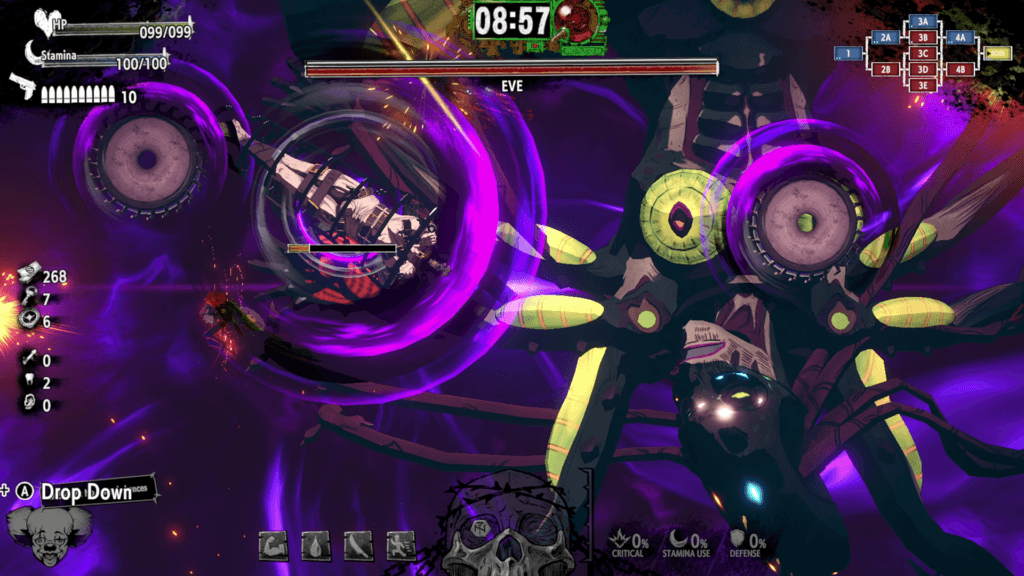
Combat, previously the game’s biggest weakness, now delivers on its promise. The core ideas were always strong. The Blood Splatter system encouraged aggression, and the Slasher Phantoms turned failure into persistence. The issue was execution. That has now been addressed.
Combat is far more responsive, allowing attacks to transition smoothly into dodges, jumps, or guards. Encounters feel readable rather than unfair, and deaths feel earned instead of arbitrary. The reworked parry system stands out in particular. Perfect guards now trigger parries that drop HP recovery orbs, shifting the player’s mindset from cautious defense to active engagement. Blocking now consumes stamina, removing the option to play passively. The game pushes you forward, forcing you to meet its pace and intensity. This is where Hotel Barcelona finally defines itself as a relentless horror action experience built on aggression and momentum.
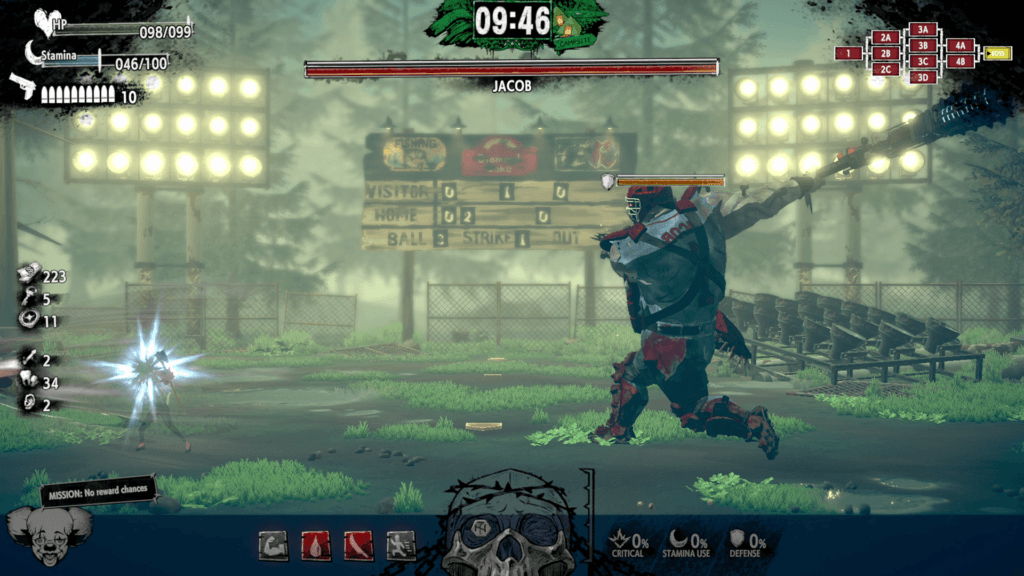
Failure has also been rethought. The removal of “Phantom Lost” on normal difficulty changes how runs feel. Previously, losing accumulated Slasher Phantom support could make failure discouraging. Now, progress carries forward more consistently. Each run contributes to something larger, and past attempts become tools rather than reminders of defeat. There is a strange rhythm in watching your previous selves fight alongside you. The chaos remains, but it now feels deliberate.
Performance, one of the most pressing issues at launch, has improved significantly. Frame drops that once disrupted gameplay have been largely stabilized. Even during intense encounters filled with effects and enemies, the game maintains consistency. That stability makes a substantial difference in a system built on timing and flow. While the presentation can still feel visually crowded, the chaos no longer interferes with readability in the same way. It remains loud, but now it is controlled.
The response from players reflects these improvements. Reception has shifted noticeably, with many returning to find a game that finally aligns with its original ambition. This kind of turnaround is uncommon, especially for something so unconventional. Hotel Barcelona has not tried to become something else. It has refined what it already was, and that consistency in vision matters.
That said, not everything has been resolved. The roguelike structure still leans heavily on randomness, and some runs can feel unfair due to unfavorable conditions. Enemy balance, while improved, can still spike unpredictably. The user interface, though better, remains crowded during intense moments. These issues do not undermine the experience, but they highlight that the game is still inherently chaotic. The difference is that this chaos now feels managed rather than uncontrolled.
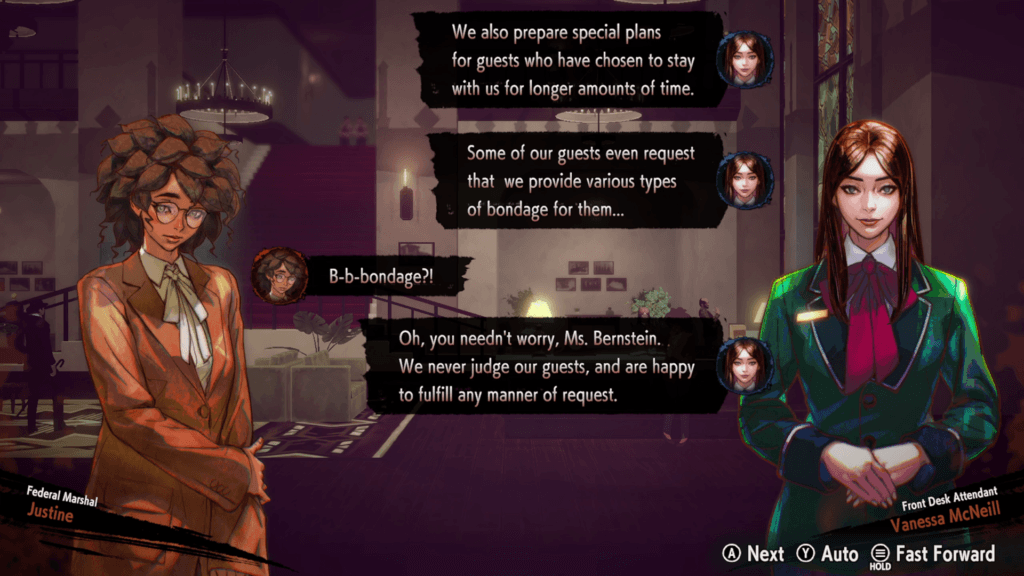
What stands out most on returning is how clearly the creative collaboration comes through. What once felt like competing voices now feels more cohesive. Swery’s psychological tension has room to breathe, and Suda51’s stylistic excess enhances rather than overwhelms. The game has not become restrained. It has become focused, and that focus allows its identity to emerge more clearly.
Hotel Barcelona: Under New Management is not a reinvention. It is a realization. The ideas were always present, but now they are supported by mechanics that make them work. Combat is sharper, progression feels fairer, performance is stable, and the overall experience is more cohesive.
It remains strange, messy, and unapologetically itself. The difference is that now it works.
Score: 4.5/5 (Updated)
The combat overhaul greatly improves responsiveness and flow. The parry system adds meaningful depth and rewards skillful play. The Slasher Phantom system feels more rewarding with fewer penalties, and performance improvements are noticeable throughout. At the same time, RNG elements can still lead to frustrating runs, the UI remains cluttered during intense encounters, enemy balance can spike unpredictably, and the core structure will not appeal to everyone.
For those who played at launch and walked away, this is the moment to return. For those who were interested but unsure, this is the version worth trying. And for those who remain skeptical, that skepticism still fits the experience. Hotel Barcelona thrives on it. The difference now is that when it challenges that doubt, it has the systems to support the experience.
P.S – The Devs have removed all AI Generated Assets from the game in this update.
This review of Hotel Barcelona is based on the PC version, with a code provided by the game’s publishers.
About The Author