Dead as Disco Early Access Review: Dancing on the Graves of Rockstar Dreams
 Avinash Rohra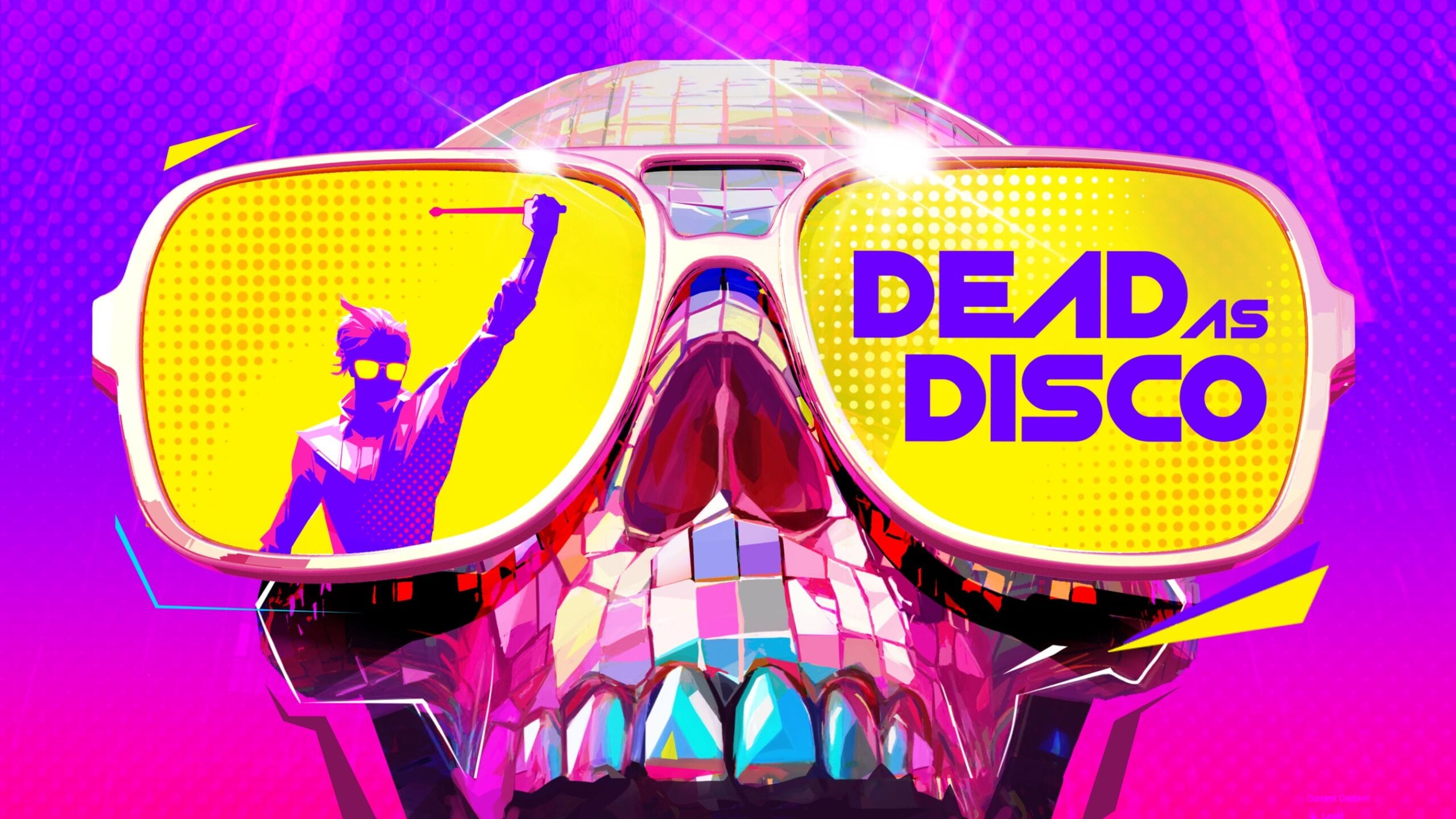
There is a dangerous kind of hype that forms around games like Dead as Disco. The kind born almost entirely through clips, GIFs, and social media osmosis. Before Brain Jar Games’ rhythm-action brawler even launched into Early Access, it already had the internet’s attention. Neon-soaked fight sequences flooded timelines. Players were sharing combo videos like they had discovered the second coming of stylish action games. The demo reportedly pulled in more than a million players, and suddenly this fully remote indie studio staffed by former developers from studios like BioWare and Trion Worlds was carrying the kind of momentum most AAA publishers would kill for.
Which, naturally, made me suspicious.
Because stylish rhythm games are easy to market. A perfectly edited combat montage can make almost anything look exhilarating for thirty seconds. The real question is always whether the systems underneath that style can survive extended play. Does the combat evolve? Does the rhythm mechanic actually matter? Is there enough substance beneath the audiovisual spectacle to justify the noise surrounding it?
After spending serious time with Dead as Disco across its story mode, repeat boss runs, and the wonderfully chaotic Infinite Disco mode, the answer is yes. Unequivocally yes. But what makes the game impressive is not just that it looks cool or sounds great. It is that Brain Jar Games understands rhythm not as a gimmick, but as the emotional backbone of combat itself.
One Dead Drummer and a Lot of Bad Blood
Dead as Disco casts players as Charlie Disco, the deceased drummer of the once-iconic band Dead as Disco, who returns from the grave ten years after his death to confront his former bandmates. Those bandmates, now known collectively as the Idols, have become exaggerated celebrity monsters shaped by fame, ego, and corporate influence.
The setup sounds ridiculous on paper, and thankfully the game fully commits to it.
Hemlock, once a punk rocker, now serves as muscle for the sinister Harmony Corp. Arora is an AI-generated pop idol crafted from audience analytics and synthetic personality traits. Dex and Prophet each embody their own distorted musical identities, turning every confrontation into both a boss fight and an ideological clash.
What elevates the story beyond simple revenge fantasy is how naturally its themes emerge through gameplay and presentation. The game never leans on heavy exposition dumps to explain its ideas about commercialization and artistic decay. Instead, those ideas are embedded into the music, the environments, and the transformations these former musicians have undergone.
You are not just fighting ex-bandmates. You are fighting corrupted versions of creative identity itself.
That could have come across as unbearably self-serious in another game. Here, it lands because the world is already so heightened and theatrical that the themes feel woven into the spectacle rather than awkwardly sitting on top of it.
Arkham by Way of a Nightclub Mosh Pit
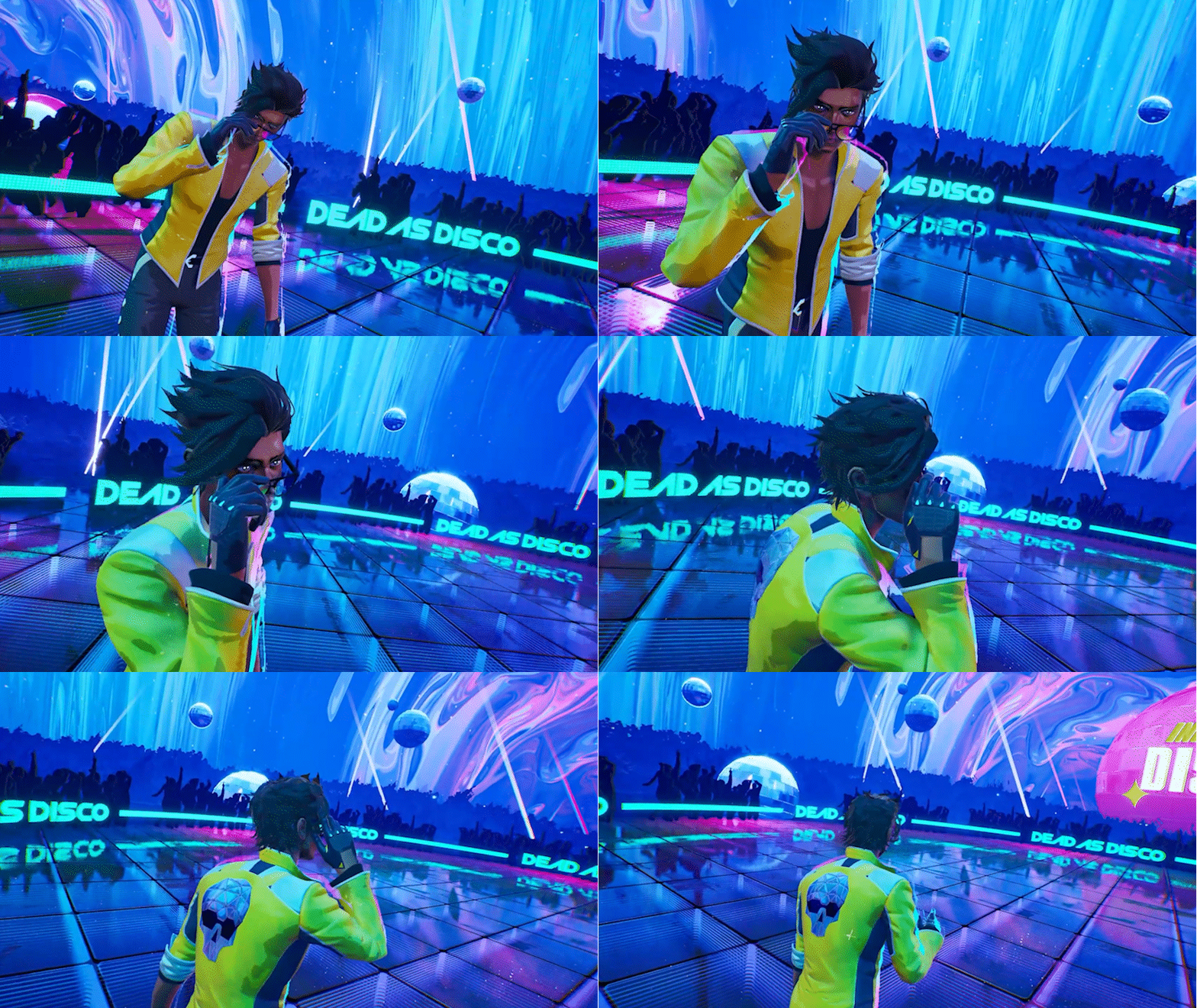
The combat foundation will immediately feel familiar to anyone who has played the Batman: Arkham Asylum games. Attacks flow into counters, counters into dodges, dodges into combo extensions. The skeletal DNA is unmistakably Arkham-inspired.
But Dead as Disco does something smart with that framework.
Instead of merely layering music on top of combat, it rebuilds the rhythm of encounters around musical timing itself. Every hit, dodge, and parry syncs to the beat of the soundtrack. Importantly, though, this is not as rigid as Hi‑Fi Rush. Missing the beat does not completely derail your effectiveness. Off-beat attacks still connect. The rhythm instead amplifies momentum, score multipliers, and damage output.
That design choice turns out to be crucial.
Rather than feeling like a rhythm exam, combat feels performative. When you truly lock into the tempo of a fight, the sensation is less like inputting commands and more like participating in choreography.
And the game rewards mastery beautifully.
Perfect parries trigger devastating counters. Perfect dodges followed immediately by attacks unleash charged strikes capable of deleting weaker enemies instantly. The Electrified Shield weapon takes this even further, rewarding beat-perfect defensive timing with an electrical shockwave that interrupts surrounding enemies.
Those little layers of mechanical depth are what separate Dead as Disco from becoming “Arkham with neon lights.”
The Fever system adds another strategic layer. Sustaining combos builds a Fever meter that can be spent on rapid offensive rushes or cinematic takedowns once enemies become vulnerable. Over time, managing Fever becomes almost subconscious. You start banking it for stagger windows during boss fights or saving it to escape overwhelming crowd pressure.
The skill tree integration is particularly elegant. Defeating Idols unlocks new combat branches based on their abilities, meaning Charlie literally absorbs fighting styles from the people he defeats. Hemlock’s guitar smash becomes a crowd-control tool. Arora’s electric chain attack excels against elite enemies. Prophet’s defensive abilities have already become community favorites because of how absurdly effective they are during high-level encounters.
Boss Fights That Actually Understand Music

The boss encounters are where Dead as Disco fully reveals its ambitions.
Every Idol fight feels musically authored rather than merely decorated with a soundtrack. Hemlock’s faster punk tempo encourages relentless aggression. Dex’s heavier rock rhythms demand more deliberate timing. Arora’s fight evolves into a surreal spectacle involving lasers, fog-filled arenas, and giant holographic projections hurling stars across the battlefield.
The Dex encounter in particular is brilliant because of how it weaponizes musical expectation. His off-beat dash attack deliberately baits panic reactions, forcing players to rely on rhythmic cues instead of visual instinct. Once you understand that trick, the entire fight transforms from overwhelming chaos into a tightly controlled rhythm exercise.
That moment — when the music suddenly “clicks” in your brain and your defensive timing becomes instinctive — is where Dead as Disco becomes extraordinary.
Infinite Disco Is the Killer Feature
Then there is Infinite Disco, which might secretly be the game’s most impressive achievement.
The mode allows players to import their own MP3 tracks and adapt combat around them by manually adjusting BPM values. Unsurprisingly, the community immediately started stress-testing it with everything imaginable, from Faint to All Star to tracks from Persona 4.
Not every song works perfectly. Slower tracks expose calibration issues, and some require significant tweaking before combat feels natural. But when you find the right song, Infinite Disco becomes absurdly fun.
There is something uniquely satisfying about turning your own music library into a personalized combat soundtrack. Few rhythm games manage to create that kind of ownership over the experience.
Style With Genuine Identity
Visually, Dead as Disco looks fantastic without leaning too heavily on nostalgia bait or derivative cyberpunk aesthetics. Its fusion of comic-book animation, disco excess, and punk energy gives it a recognizable identity almost immediately.
More importantly, the environments react dynamically to the soundtrack during combat. Stages shift, lighting changes, and visual framing adjusts itself to emphasize musical momentum. The presentation consistently reinforces the feeling that every fight is a performance.
The soundtrack itself deserves enormous credit because the gameplay genuinely depends on it. Different musical genres do not just alter mood; they fundamentally reshape combat pacing.
That level of integration is rare.
Early Access Friction Still Exists
For all its brilliance, Dead as Disco still shows visible Early Access limitations.
Enemy variety begins thinning after several hours, making repeated encounters slightly predictable outside major boss battles. Checkpoint placement around difficult encounters can also become frustrating, especially when paired with pre-fight cutscenes that currently cannot be skipped during retries.
The encouraging part is that none of these problems feel foundational. The combat systems, thematic core, and audiovisual identity are already exceptionally strong. What the game needs now is expansion and refinement rather than reinvention.
Final Verdict
Score: 4.7 / 5

Dead as Disco arrives in Early Access feeling far more confident and mechanically complete than most indie action games do at launch. Its rhythm-driven combat is genuinely satisfying, its boss fights are consistently inventive, and its visual identity is impossible to mistake for anything else currently in the genre.
Most importantly, it understands that music should not simply accompany combat. It should shape it.
And when Dead as Disco fully locks into that philosophy, it becomes one of the most exhilarating rhythm-action games in years.
This review of Dead as Disco is based on the PC version, with code provided by the game’s publishers/developers/ PR Agency.
About The Author