Coffee Talk Tokyo Review – A Quiet Cup of Humanity in the Middle of the Neon Rush
 Avinash Rohra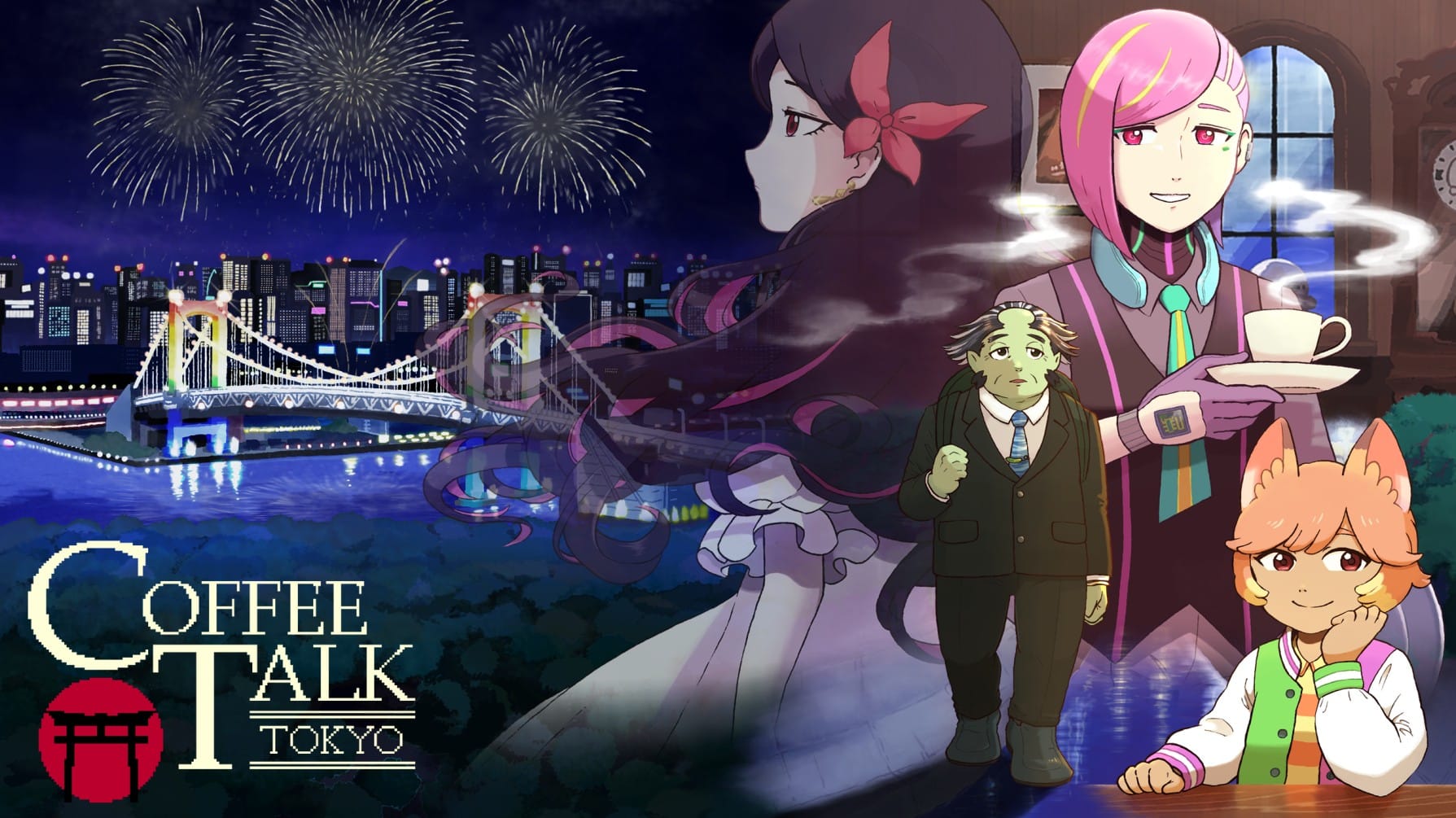
There is a dangerous tendency in modern games criticism to reduce “cozy” games into background noise. The label itself has become shorthand for low-stakes comfort: soft music, warm lighting, emotionally safe storytelling, and mechanics gentle enough to function as digital melatonin. Coffee Talk Tokyo could easily have fallen into that trap. On paper, it sounds aggressively niche – a dialogue-heavy visual novel about serving drinks to supernatural customers in a late-night Tokyo café. No combat. No sprawling open world. No dramatic reinvention.
And yet, after spending several nights with it on Nintendo Switch 2, usually well past midnight with headphones on and an actual cup of coffee cooling beside me, I found myself thinking about its characters long after I stopped playing. Not because the game overwhelmed me with spectacle, but because it understood something many narrative-driven games still struggle with: people are interesting when writers actually listen to them.
Developed by Toge Productions alongside Chorus Worldwide Games, Coffee Talk Tokyo shifts the series from Seattle’s rainy indie melancholy to a neon-lit Tokyo inhabited by humans, yōkai, spirits, and emotionally exhausted office workers trying to survive another week without falling apart. The move proves to be far more than a cosmetic change. Tokyo fundamentally alters the emotional texture of the series, creating a world where old mythology and modern exhaustion coexist in uneasy harmony.
The original Coffee Talk built a loyal audience through its blend of visual novel storytelling and café management, while Coffee Talk Episode 2: Hibiscus & Butterfly refined that formula into something warmer and emotionally sharper. Tokyo feels like the point where the series fully settles into its identity. Instead of chasing bigger stakes or dramatic mechanical evolution, it doubles down on atmosphere, empathy, and deeply human storytelling wrapped inside supernatural urban fantasy.
Neon, Steam, and Sleepless Souls
At its core, Coffee Talk Tokyo remains a narrative-driven visual novel where you play as a late-night barista listening to customers unpack their lives one drink at a time. Mechanically, very little has changed from previous entries, but the shift in setting changes the emotional energy dramatically.
Seattle in the earlier games felt intimate and melancholic, like a rainy indie album translated into interactive form. Tokyo feels denser, faster, and spiritually conflicted. The city hums with overstimulation – glowing vending machines, crowded train stations, tiny apartments squeezed between neon signs – yet the stories unfolding inside the café are defined by isolation.
Your café becomes a refuge for wandering souls: retired kappas questioning their purpose after leaving corporate life, struggling musicians suffocating under creative pressure, ghosts trapped by unresolved regrets, and salarymen too emotionally drained to admit how unhappy they are. It sounds whimsical on paper, but the writing consistently grounds these characters in anxieties that feel painfully recognizable.
That is ultimately where Coffee Talk Tokyo succeeds. It understands ordinary loneliness. Not cinematic loneliness. Not melodramatic loneliness. The quieter kind hidden behind polite smiles, routine conversations, and carefully maintained public personas.
The game evokes the same emotional DNA as VA-11 Hall-A and even the Japanese television series Midnight Diner, where food and drink become gateways into deeply personal stories. Conversations unfold gradually, revealing emotional fractures beneath otherwise mundane interactions, and the game trusts players to remain invested without relying on constant twists or dramatic escalation.
Brewing Comfort Instead of Chaos
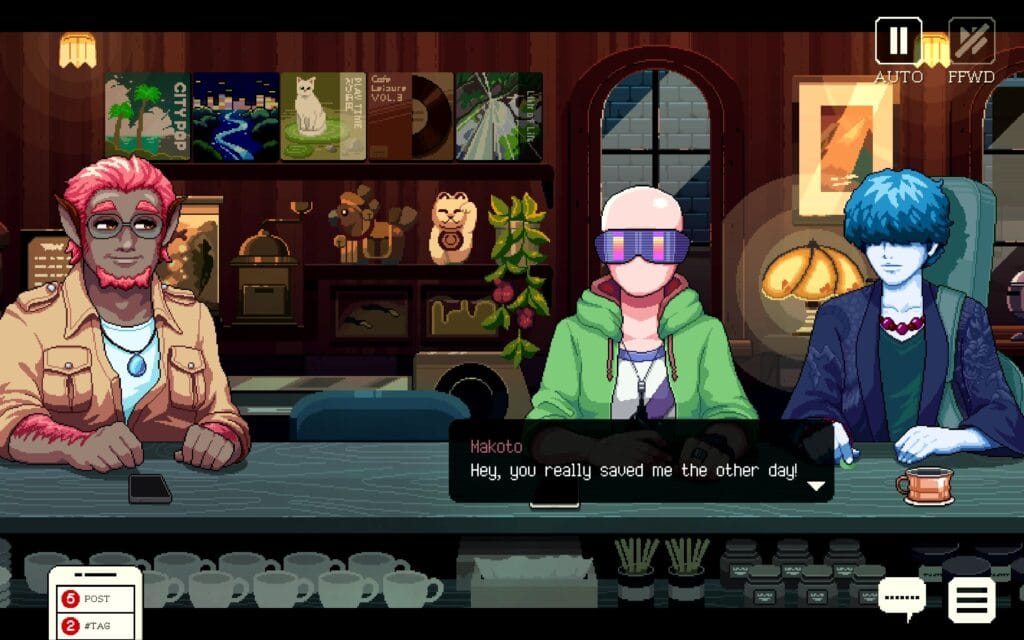
Mechanically, Coffee Talk Tokyo sticks closely to the formula established in earlier entries. Customers arrive, conversations unfold, and you craft drinks using combinations of ingredients like coffee, tea, milk, chocolate, ginger, and matcha. This time around, the brewing system introduces cold beverages, additional Japanese-inspired ingredients, and expanded latte art tools that add more texture to the routine without fundamentally changing it.
The Nintendo Switch 2 version feels particularly suited to the experience. The portability of the platform complements the game’s intimate pacing remarkably well, making it easy to sink into a few conversations before bed or during quiet downtime. Coffee Talk Tokyo is not a game built around adrenaline or challenge. It is built around rhythm.
That distinction matters.
Unlike management-heavy games such as Overcooked!, Coffee Talk Tokyo avoids turning café work into stress. There are no frantic timers or punishing fail states pushing players toward efficiency. Even incorrect drinks rarely derail scenes entirely. Instead, they subtly alter conversations or emotional outcomes, encouraging attentiveness without weaponizing frustration.
The act of remembering someone’s preferred drink or recognizing emotional cues hidden inside dialogue becomes its own form of gameplay. In quieter moments – rain falling softly outside, lo-fi music humming beneath hesitant conversations – the simplicity starts to feel deliberate rather than limited.
That said, the game occasionally leans too heavily on ambiguity. Certain drink requests require more guesswork than intuition, disrupting the otherwise meditative pacing. Thankfully, the Brewpad recipe system prevents these moments from becoming genuinely frustrating.
More importantly, the writing carries the experience so confidently that the occasional mechanical stumble rarely lingers for long.
The Quiet Confidence of Compassionate Writing
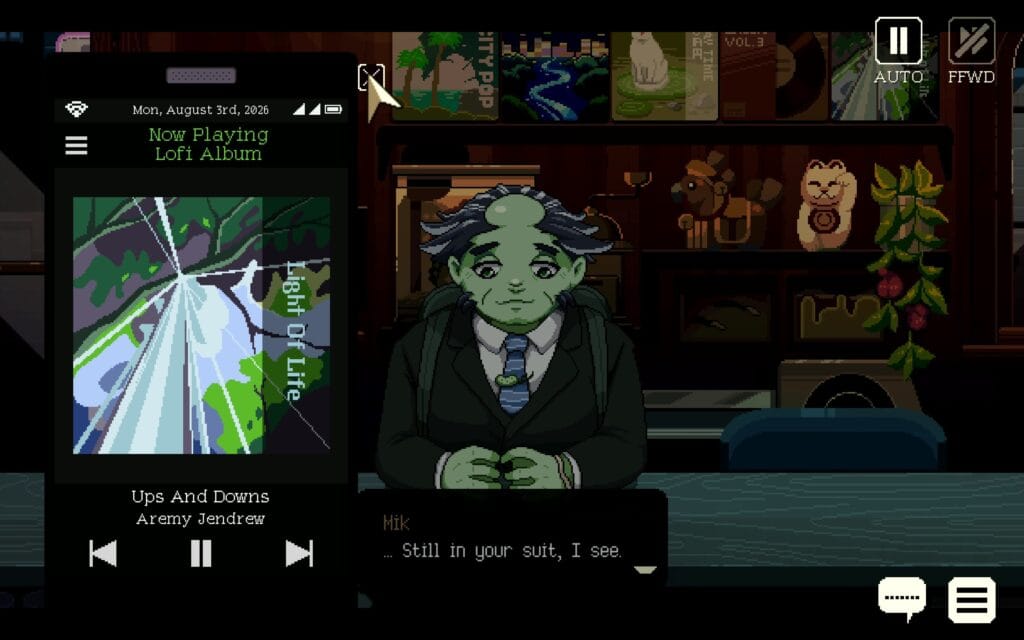
What surprised me most about Coffee Talk Tokyo was how emotionally confident its writing feels. Many cozy games mistake softness for depth, relying on aesthetics and comforting vibes while avoiding emotional complexity. Coffee Talk Tokyo does the opposite. Beneath its warm presentation is a game deeply interested in grief, aging, burnout, identity, social alienation, and the quiet fear of feeling left behind in a rapidly changing world.
One storyline involving chronic pain and invisible disability is handled with an impressive degree of sensitivity, avoiding simplistic “inspirational” framing in favor of something more honest and uncomfortable. Another narrative thread centered around creative burnout feels painfully relevant in an era where visibility and productivity increasingly define personal worth.
What makes these stories resonate is the restraint in the dialogue. Characters speak like emotionally exhausted people trying to articulate feelings they barely understand themselves, rather than exposition machines delivering thematic monologues. Small pauses matter. Hesitation matters. Silence matters.
Compared to many contemporary narrative indies that rely on shocking twists or overt melodrama, Coffee Talk Tokyo succeeds through accumulation. Tiny gestures matter. Casual conversations matter. Emotional breakthroughs emerge gradually rather than arriving through scripted spectacle.
There were multiple stretches where I stopped thinking about objectives entirely and simply listened. Not because the game demanded attention through spectacle, but because these characters felt emotionally legible in ways games rarely manage anymore. Their fears felt recognizable. Their exhaustion felt lived-in.
The supernatural framing never distances them from reality. If anything, it makes their anxieties feel sharper.
Pixel Art and Lo-Fi Therapy
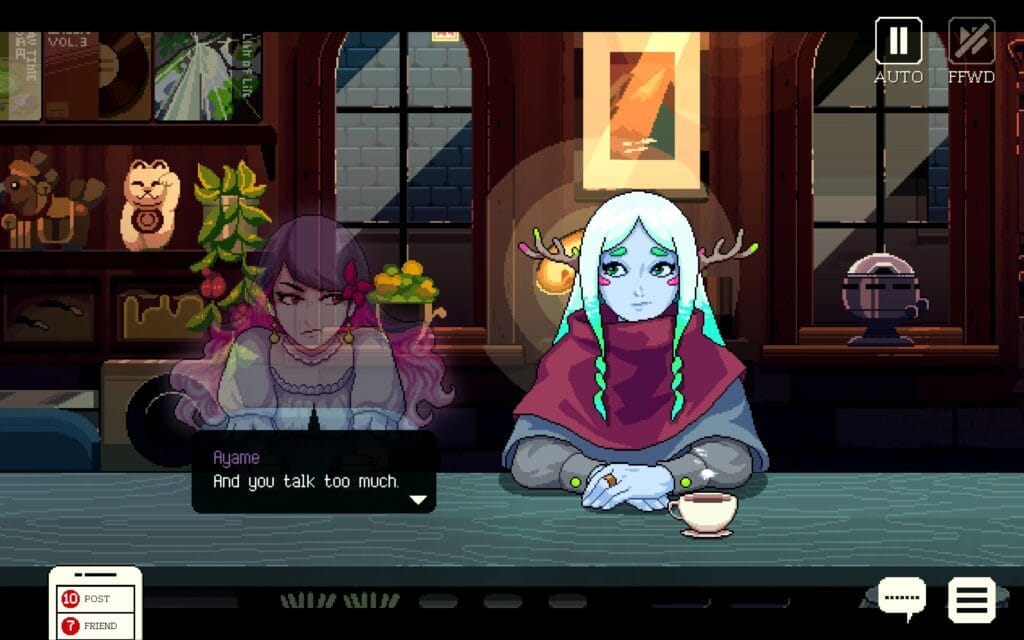
Visually, Coffee Talk Tokyo remains gorgeous in the understated way the series has mastered over the years. The pixel art is richer and more atmospheric than ever, drenched in neon reflections and rainy-night ambience. Tokyo itself becomes a character through tiny environmental details: glowing vending machines, crowded train platforms, cramped apartments, and warm café interiors that feel insulated from the emotional noise outside.
The soundtrack deserves equal praise. Composer Andrew “AJ” Jeremy once again delivers a collection of lo-fi jazz and mellow electronic tracks that define the emotional identity of the series. Tokyo’s influence introduces softer city-pop elements that blend beautifully with the urban atmosphere without overwhelming scenes emotionally.
Like the writing, the music understands restraint. Tracks linger gently in the background rather than demanding attention, enhancing the sensation that the café exists as a temporary sanctuary from the endless pressure of the outside world.
Few games in recent memory have understood environmental comfort this effectively.
A Familiar Blend – But a Better Roast
The biggest criticism surrounding Coffee Talk Tokyo is also the easiest one to understand: mechanically, the game is iterative rather than transformative. Several early reviews have pointed out that the formula remains extremely familiar, particularly for returning players.
That criticism is fair, but it also somewhat misses the point.
Coffee Talk has always been built around ritual. Returning to it feels like revisiting a café where the owner already knows your order before you sit down. The familiarity is intentional. What matters is whether the conversations remain meaningful enough to justify another visit.
Thankfully, they absolutely do.
Where some narrative indies become self-conscious about their own “coziness,” Coffee Talk Tokyo remains sincere. It does not chase internet aesthetics or try to gamify emotional vulnerability. It simply tells compassionate stories with patience and confidence.
In an industry increasingly obsessed with scale, speed, and endless engagement loops, there is something quietly radical about a game asking players to stop, listen, and make somebody tea.
Pros & Cons
Pros
- Exceptional character writing and emotionally grounded storytelling
- Beautiful Tokyo-inspired pixel art and atmosphere
- Relaxing gameplay loop perfectly suited for handheld play
- Outstanding lo-fi soundtrack with subtle city-pop influences
- Strong supernatural worldbuilding that supports the themes naturally
- Some of the most mature storytelling in the series
Cons
- Gameplay systems remain very iterative
- Certain recipes rely too heavily on trial-and-error
- Slow pacing will not appeal to players seeking more active gameplay
Final Verdict – More Than Just a Cozy Game
Score: 4.5/5
Coffee Talk Tokyo succeeds because it understands that warmth alone is not enough. Plenty of games can create cozy aesthetics; far fewer understand how to create emotional sincerity. Beneath the neon lighting, lo-fi playlists, and carefully poured matcha sits a surprisingly thoughtful meditation on loneliness, burnout, identity, and the quiet importance of simply being heard.
It may not radically evolve the Coffee Talk formula, but it refines it with enough empathy, atmosphere, and confidence to become one of the strongest entries in the series. By the time the credits rolled, I realized I was no longer returning because of progression systems or narrative twists. I was returning because the café itself had started to feel real.
And honestly, there are very few games capable of creating that kind of connection anymore.
This review of Coffee Talk Tokyo is based on the Nintendo Switch 2 version, with code provided by the game’s publishers/developers/ PR Agency.
About The Author