 Avinash Rohra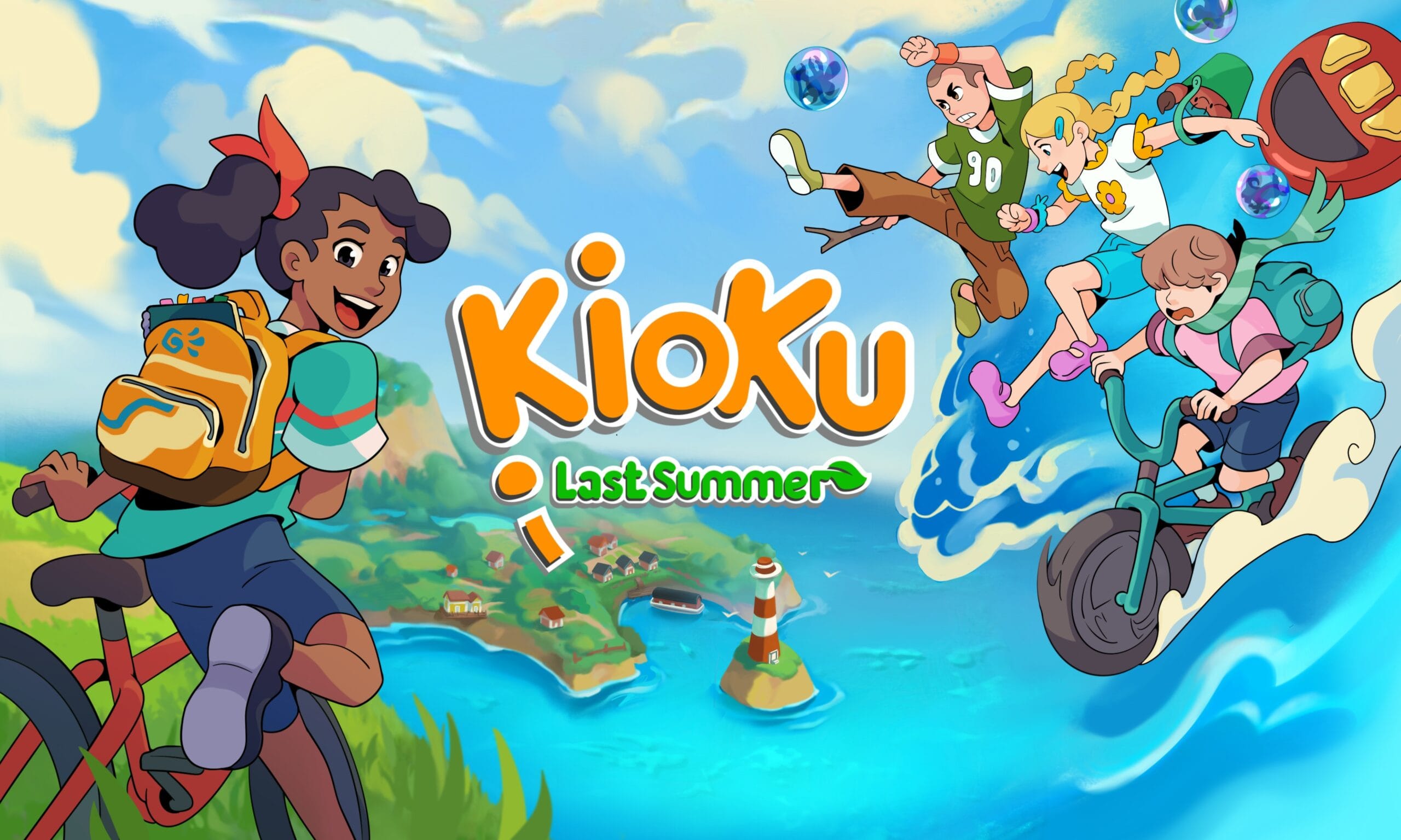
When you’re a kid, summer feels infinite.
Every bike ride feels like an adventure. Every new friend feels important. Every path you haven’t explored might lead somewhere magical. It’s a feeling that countless games have tried to capture, but few have managed without drowning it beneath survival systems, crafting mechanics, or endless checklists.
Kioku: Last Summer takes a different approach.
It strips things back to something simpler. You arrive on Kioku Island as Asti, a young girl spending her first summer in a new home. There are mysteries to uncover, friendships to build, collectibles to find, and an entire island waiting to be explored. The premise immediately evokes memories of long school holidays and carefree afternoons spent outdoors. For the first few hours, that nostalgia works wonders.
The problem is that nostalgia can only carry a game so far.
A Bike, an Island, and Endless Possibilities
The best thing about Kioku: Last Summer is Kioku Island itself.
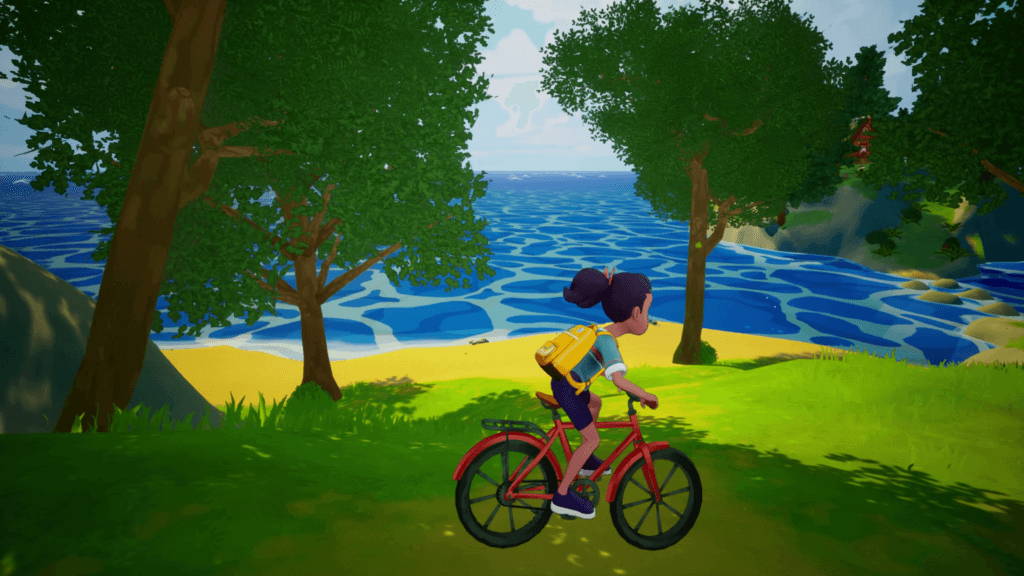
The moment I unlocked my bicycle, the game clicked. Suddenly, every winding road looked worth following and every unexplored corner felt like it might hide something interesting. The island strikes a careful balance between being large enough to encourage curiosity and small enough that it never feels intimidating.
Unlike many modern open-world games, exploration here isn’t driven by map icons. It’s driven by simple curiosity.
What’s down that path?
Where does this trail lead?
Can I reach that cliff?
Those questions carried me through much of the game’s opening hours. The island feels warm, inviting, and genuinely pleasant to spend time in. Its blend of Japanese and Scandinavian influences gives it a distinctive personality, while the colorful art style creates the feeling of stepping into a nostalgic animated summer adventure. At times, simply riding around felt more rewarding than following the main story.
Unfortunately, that’s also where some of the game’s problems begin.
Friendship, Mystery, and Missed Opportunities
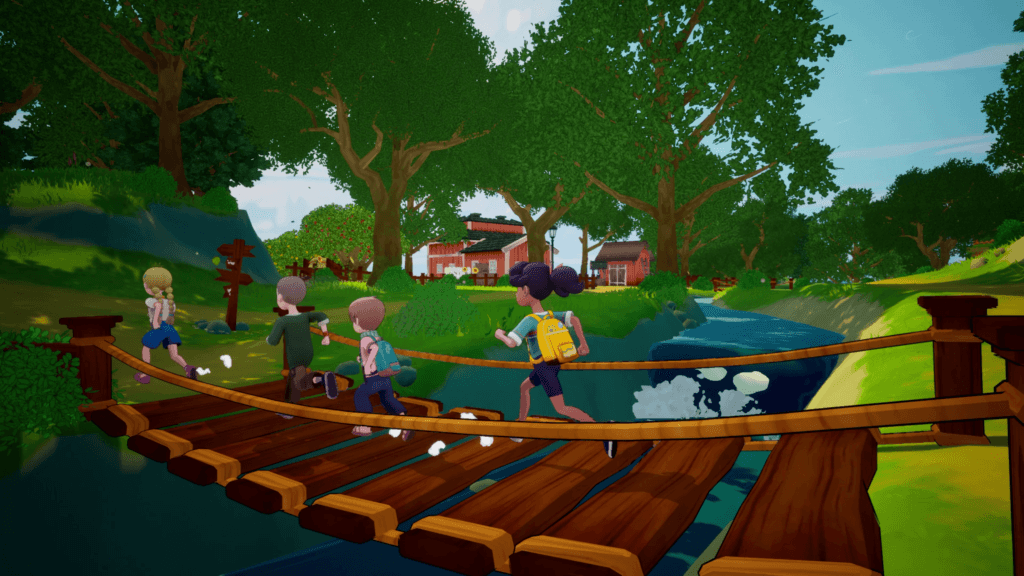
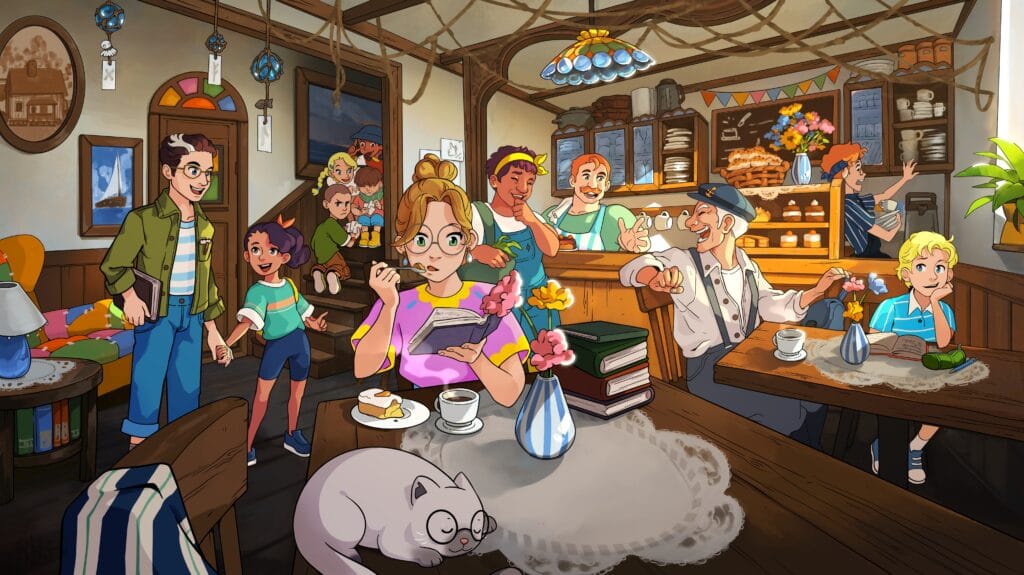
Kioku’s story revolves around making friends and becoming part of the island community. The cast is immediately likable, and the game wisely avoids turning its characters into exaggerated archetypes. Instead, everyone feels grounded.The issue isn’t that the characters are unlikable.
It’s that they rarely develop beyond their introductions.
Several early story threads hint at deeper relationships and personal conflicts, but many of them resolve in predictable ways or simply don’t receive enough screen time to leave a lasting impact. The game frequently introduces ideas that seem poised to evolve into meaningful character arcs, only to move on before exploring them fully.
As a result, I found myself remembering the island itself far more vividly than the people who lived there. For a game built around friendship and community, that’s a missed opportunity.
When Discovery Turns Into Routine
The opening hours are fueled by discovery. The later hours are fueled by repetition.Much of Kioku’s progression revolves around helping island residents, tracking down missing items, participating in mini-games, and completing a steady stream of fetch-style objectives. Early on, these activities help establish the island’s rhythm and personality.
Eventually, however, the structure begins to show its limitations.
Crab fishing, bike races, sticker hunting, and Marubi battles all provide welcome distractions, but most of these systems remain largely unchanged from the moment they’re introduced. While Marubi is easily the most entertaining side activity thanks to its surprisingly playful monster-battle mechanics, even it struggles to evolve beyond its initial novelty. The result is a game that often mistakes activity for engagement.
I was constantly doing things.
I wasn’t always excited to do them.
A Cozy Adventure With Rough Edges
What surprised me most wasn’t the game’s simplicity. It was its lack of polish. Throughout my playthrough, I encountered enough technical issues to occasionally break immersion. Other reviewers and players have reported similar frustrations, ranging from quest progression issues to inconsistent interactions and bugs that interrupt the flow of exploration. While patches have addressed some concerns, the game still feels rough around the edges compared to other modern cozy adventures.
That’s unfortunate because the presentation itself is often lovely.
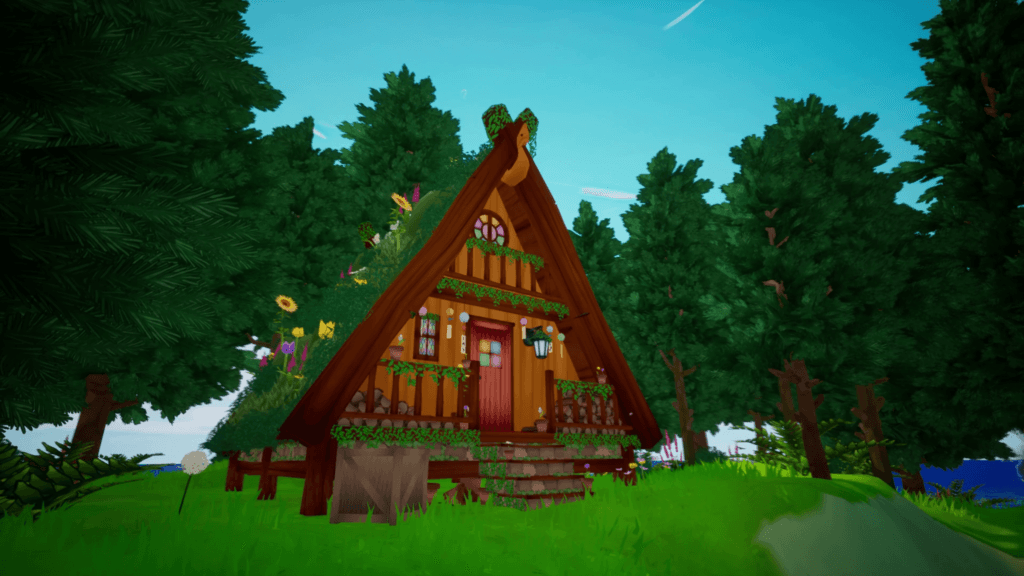
The island is beautiful, the animation style is charming, and the soundtrack quietly reinforces the relaxed atmosphere without ever demanding attention. The game’s aesthetic vision is clear from the start.
It’s the execution that occasionally struggles to keep pace with the ambition.
The Memory of Summer
What ultimately makes Kioku: Last Summer so frustrating is that its strongest moments are genuinely special.
There were stretches where I completely lost track of my objectives and simply explored. Moments where I discovered a hidden collectible, stumbled across a scenic viewpoint, or spent a few minutes cycling through the island for no reason other than it felt nice to do so. Those moments capture exactly what the game is aiming for. The problem is that they become increasingly rare as the adventure progresses.
Kioku understands what childhood summers felt like – The freedom. The curiosity. The sense that every day could become an adventure.
What it never fully figures out is how to transform those feelings into a compelling game for its entire runtime.
Pros
- Beautiful island setting
- Excellent bicycle traversal
- Strong nostalgic atmosphere
- Charming presentation and art direction
- Marubi is a fun diversion
Cons
- Repetitive quest structure
- Limited character development
- Exploration rewards lose impact over time
- Technical rough edges
- Story never fully capitalizes on its premise
A Pleasant Vacation That Fades Too Quickly
Score: 3.5/5
Kioku: Last Summer is easy to like. Its world is charming. Its atmosphere is comforting. Its nostalgia feels sincere rather than manufactured. For players looking for a relaxed adventure with no real pressure, there’s certainly enjoyment to be found here.
But beneath that warmth lies a game that rarely builds upon its strongest ideas. Exploration eventually becomes predictable. Character arcs never reach their full potential. Side activities repeat themselves long before the credits roll. Like an old photograph from a childhood holiday, Kioku: Last Summer succeeds at reminding you how magical summer once felt.
It just doesn’t create enough magic of its own.
This review of Kioku: Last Summer is based on the PC Version, with the code provided by the Publisher/PR Agency.
About The Author





Great content! Keep up the good work!