Lost & Found A This Bed We Made Story Review – Sophie Roy Is Still Terrible at Minding Her Own Business
 Avinash Rohra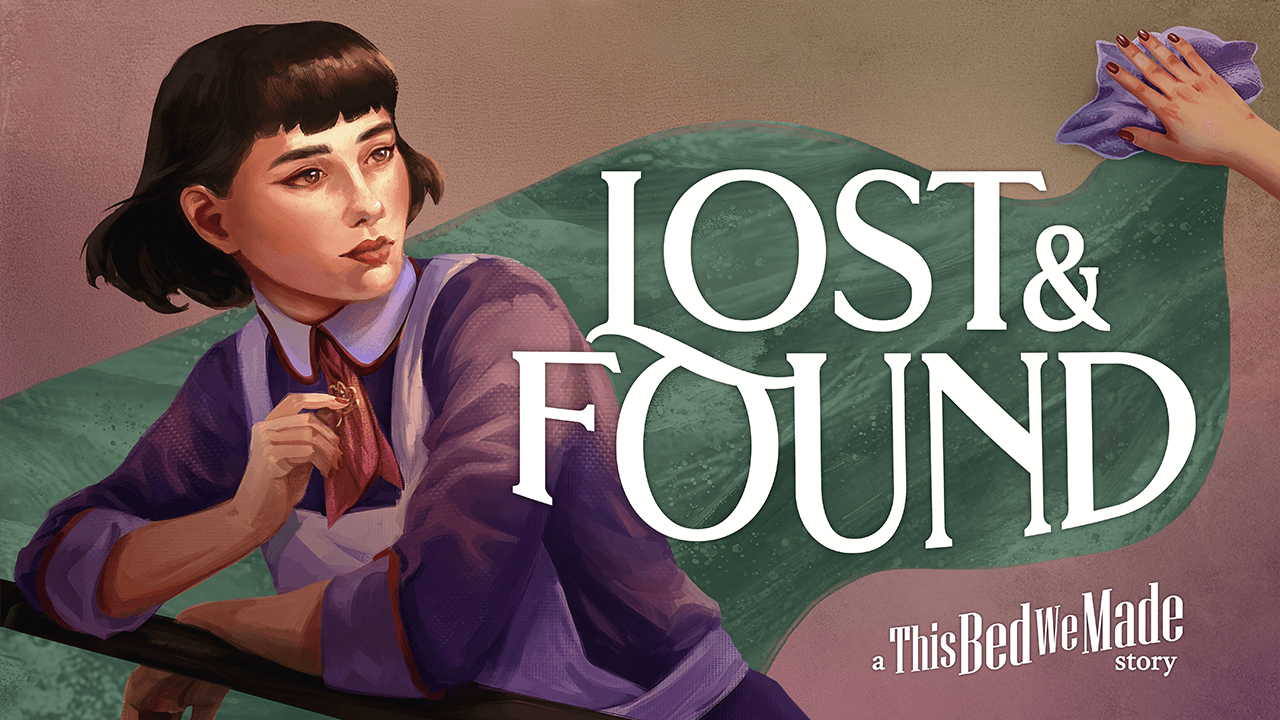
Sophie Roy has changed jobs, changed decades and changed the scenery around her. What she has apparently not learned is how to leave other people’s belongings alone.
That is probably for the best.
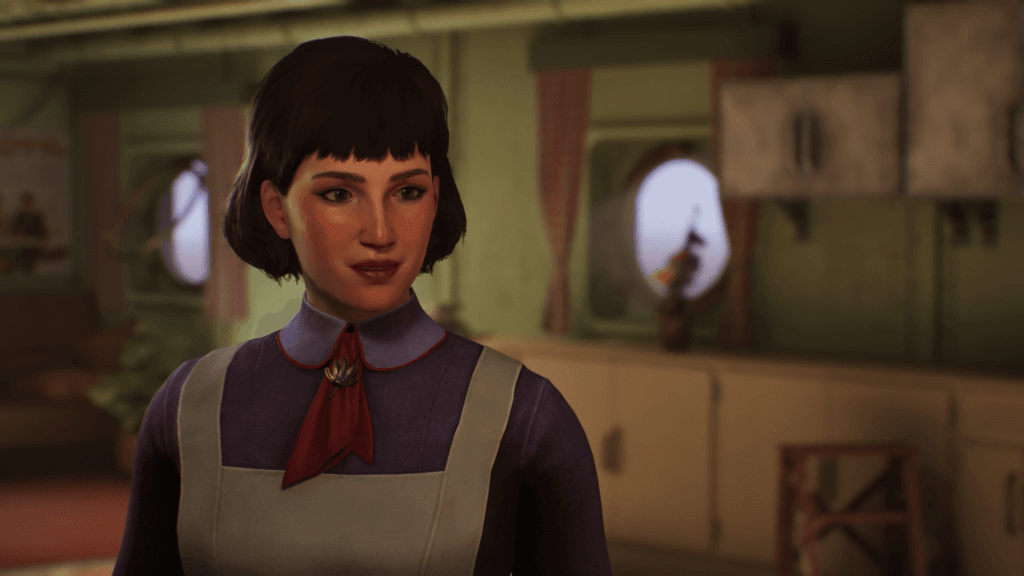
Set a few years after This Bed We Made, Lowbirth Games brings Sophie back in Lost & Found: A This Bed We Made Story. The Clarington Hotel is gone. It is now 1964, Sophie works as a stewardess aboard the transatlantic liner Orpheus, and a series of missing possessions has started troubling passengers and crew. Her supervisor, Gary, tasks her with looking into the disappearances, which is essentially permission to indulge the exact habit that got Sophie into trouble the first time around.
What follows is substantially smaller than This Bed We Made. Lowbirth Games openly positions this as a short standalone story rather than a full sequel, with the whole thing built to fit into roughly one to two hours. That limited scale occasionally works against it, particularly once its characters become interesting enough that leaving the Orpheus feels premature. Yet it also strips the formula down to what made Sophie’s first investigation compelling in the first place: learning about strangers by noticing the things they leave behind.
Housekeeping Gives Sophie the Perfect Alibi
Sophie still has a job to do before she can play detective.
Cabins need cleaning. Beds have to be made. Drinks need preparing. Telegrams have to reach their recipients. Passengers and colleagues have requests that send Sophie into spaces she would otherwise have no reason to enter. Those ordinary responsibilities are important because Lost & Found never completely separates housekeeping from investigation. Doing the job creates opportunities to inspect rooms, examine possessions and start forming impressions of people who may barely appear on screen.
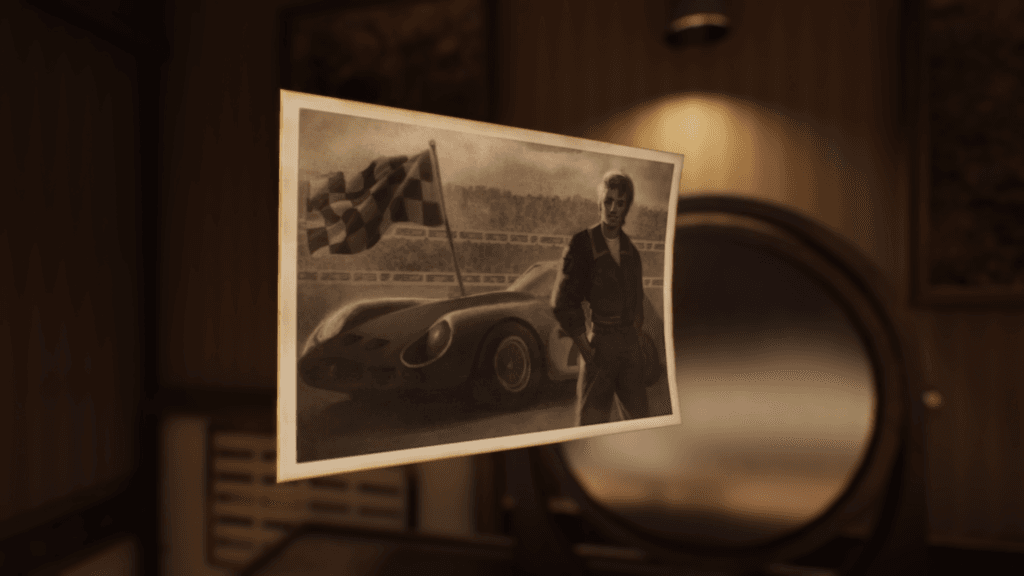
The actual mystery revolves heavily around identifying missing objects and determining who they belong to. A photograph, letter or piece of personal history discovered somewhere else can provide the connection Sophie needs. Objects can be examined closely in three dimensions, documents need to be read rather than merely collected, and the game mixes those deductions with straightforward tactile puzzles. A torn letter needs reconstructing, while other small puzzles involve passwords, combinations or paying close attention to information found elsewhere.
None of it is especially difficult. This is observation-driven detective work rather than The Case of the Golden Idol, and anyone expecting elaborate logical chains will probably reach the answers quickly. The pleasure comes from understanding why an object matters.
The smaller space helps with that focus. Lost & Found takes place within a limited indoor section of the Orpheus rather than across an entire ocean liner, so individual cabins become familiar surprisingly quickly. You begin remembering which passenger kept a particular photograph, where a strange document was tucked away, or which room contained something that did not make sense when you first noticed it.
The Orpheus Is Full of Lives You Barely See
The strongest writing happens away from the central theft.
Cabins are treated almost like character portraits. Photographs sit beside letters. Newspapers establish what is happening beyond the ship. Personal effects suggest relationships, anxieties and things their owners would rather Sophie never discover. Some characters receive relatively little direct screen time, yet their rooms tell you enough that you begin forming opinions about them before any conversation confirms whether you were right.
That environmental storytelling is where Lost & Found feels closest to This Bed We Made, although the tone is noticeably different. There is no murder hanging over the Orpheus. The stakes are more intimate, and the resulting investigation never develops the same sense of danger or complexity as Sophie’s night at the Clarington.
I initially missed that escalation. Then the game started turning its attention back towards Sophie.
Without getting into spoilers, one of the better pieces of writing concerns Sophie’s mother, who has died by the time this story begins. A letter she left behind becomes part of Sophie’s personal thread aboard the Orpheus and gives this shorter story emotional weight that the missing-property case itself never quite carries. The game becomes more interesting when Sophie stops being only the person uncovering everyone else’s private history and is forced to confront something from her own.
It works because Lowbirth keeps the moment restrained. There is no attempt to inflate grief into a huge dramatic set piece. Sophie reads, reacts and carries it with her.
Your Version of Sophie Still Matters, Up to a Point
Returning players are allowed to establish important outcomes from This Bed We Made before beginning, including relationships and significant consequences from the original investigation. There is no single canon ending being forced onto returning players. Instead, Lost & Found asks enough questions to reconstruct the broad shape of the Sophie you previously played.
That history is acknowledged throughout the story, although characters such as Beth and Andrew do not return as active participants aboard the Orpheus. Their relationships with Sophie can still matter through correspondence and references, giving returning players some continuity without turning this into a direct second chapter of the same case.
New players can still start here because the immediate mystery is self-contained.
This is also where the follow-up feels more restrained than its predecessor. There are choices, variations and different outcomes, and missed information or incorrectly attributed belongings provide obvious reasons for another playthrough. Yet Lowbirth itself describes the differences between runs as subtler this time, and that is exactly how it feels.
The choices do matter, but their consequences rarely land with the same force as the decisions in This Bed We Made. Relationships can shift and scenes can change, yet the overall shape is narrower. That fits the smaller scale of the story, though it also means the game sometimes asks you to inspect every scrap of information with more care than the resulting decision eventually demands.
A Short Crossing That Ends Too Soon
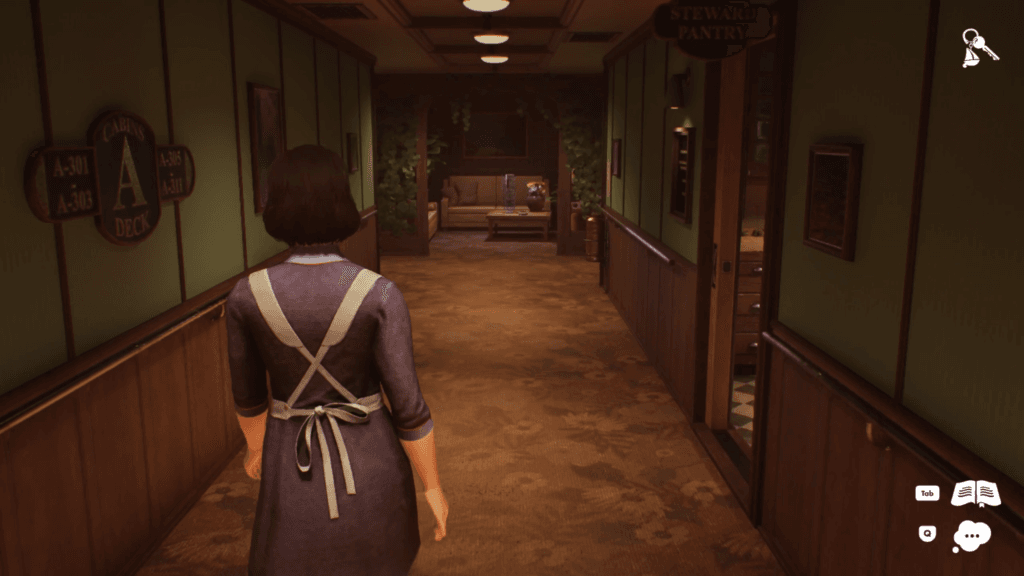
The Orpheus is an excellent replacement for the hotel. Its period interiors and confined corridors suit a game about quietly moving through spaces that belong to other people. The ship never feels enormous, but that intimacy works in its favour. You are constantly moving through rooms that are close enough to become familiar while still containing details you probably missed the first time.
The presentation is also stronger than the modest scope suggests. Character models and facial animation give conversations more expression than I expected, while the restrained soundtrack knows when to stay underneath dialogue rather than constantly announce itself. There are some minor visual rough edges, but nothing that distracted me enough to undermine the experience.
The problem is that Lost & Found finishes almost immediately after all of this starts clicking.
Its brevity is intentional, but intention does not completely erase the feeling of wanting another cabin, another passenger or one more thread to pull. The central mystery is simpler than the Clarington case, several characters could have supported longer arcs, and the player-choice system never gets enough space to become as tangled as it did before.
That is the real limitation here. The one-to-two-hour runtime is not automatically a flaw. A short mystery can be exactly as long as it needs to be. Lost & Found becomes frustrating because it creates characters and personal threads that feel ready to go somewhere else, then begins wrapping up just as they start gaining weight.
Pros
- Excellent environmental storytelling makes individual cabins feel genuinely inhabited
- Sophie remains a compelling lead, with some particularly strong personal material
- Lost-object deductions give the investigation a clear mechanical purpose
- The Orpheus is a natural fit for the series’ voyeuristic detective structure
- Returning-player choices are acknowledged without making the story inaccessible to newcomers
Cons
- Considerably less complex mystery than This Bed We Made
- Easy puzzles rarely demand much deduction
- The very short runtime leaves several characters and ideas underdeveloped
Final Verdict
Score: 4.25/5
Lost & Found: A This Bed We Made Story works because Lowbirth Games understands that Sophie Roy was never interesting simply because she solved mysteries. She is interesting because her curiosity keeps placing her inside other people’s private lives, and because every discovery forces her to decide what she is going to do with information she had no business possessing.
The Orpheus gives that idea a fitting new home. The lost-object deductions give Sophie’s snooping a clear purpose, the smaller environment makes individual cabins easy to read as extensions of their occupants, and the quieter story finds its strongest material when it turns the investigation back towards Sophie herself.
I wanted a more complicated case. I wanted consequences that pushed harder against my decisions. Most of all, I wanted another hour aboard the ship.
For a game about things going missing, perhaps it is appropriate that time is the one thing Lost & Found never gives you enough of.
This review of Lost & Found: A This Bed We Made is based on the PC Version, with the code provided by the Publisher/PR Agency.
About The Author