Brigador Killers (Early Access) First Impressions – A Fascinating Sequel Still Under Construction
 Avinash Rohra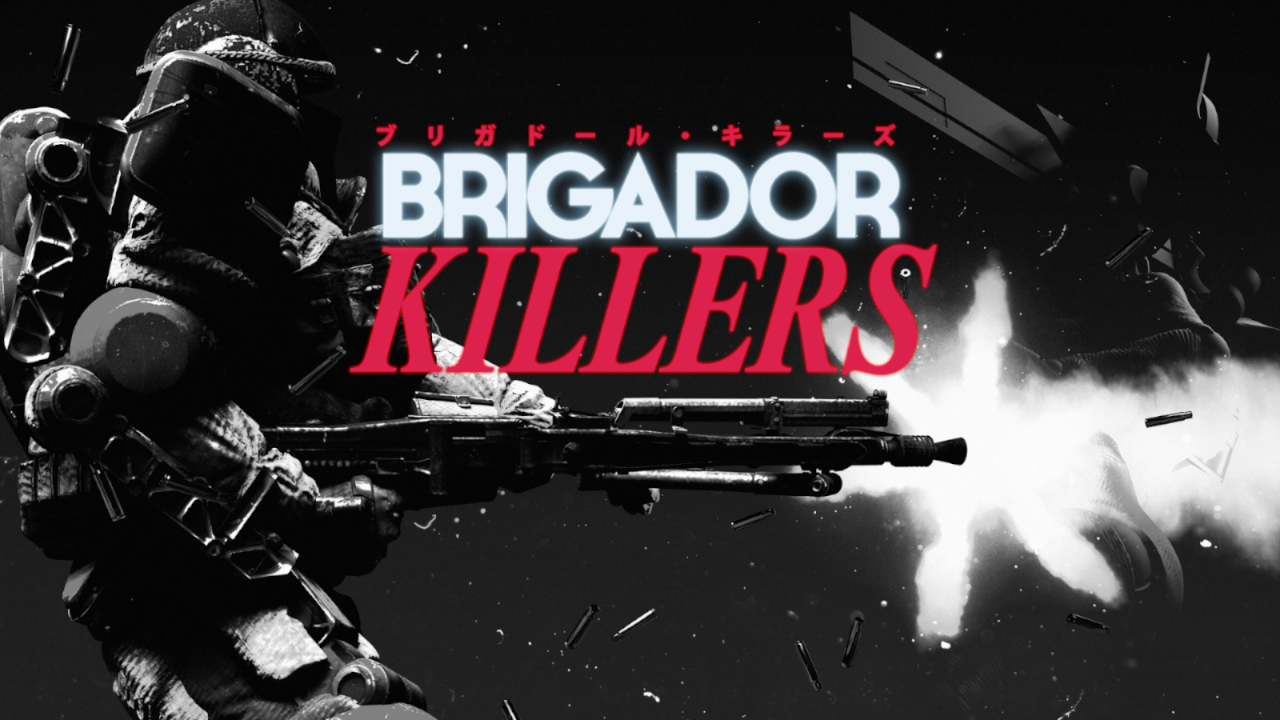
There is a strange problem with reviewing an Early Access game that already showed players more of its toys before asking them to pay for it. Brigador Killers arrived on Steam Early Access on August 20, but anyone who spent considerable time with its earlier demo may initially wonder where some of the game went. Heavier machinery is less readily available, progression starts closer to the bottom, and the current campaign spends much longer making you fight like an under-equipped insurgent before handing over anything resembling the mechanised excess associated with Brigador.
That comparison has dominated a fair portion of the conversation around the Early Access launch, perhaps to the detriment of what Stellar Jockeys is actually trying to build. The demo was effectively a vertical slice, giving players access to equipment from much further along the intended progression curve. Early Access instead combines several campaign sections into a continuous progression and deliberately starts smaller. The problem is that understanding the reasoning does not automatically make the present version feel more substantial.
For that reason, we are treating Brigador Killers as first impressions rather than a complete review. There simply is not enough finished content here yet to make a sensible final judgement on what is clearly designed to become a considerably larger game.
Starting at Street Level
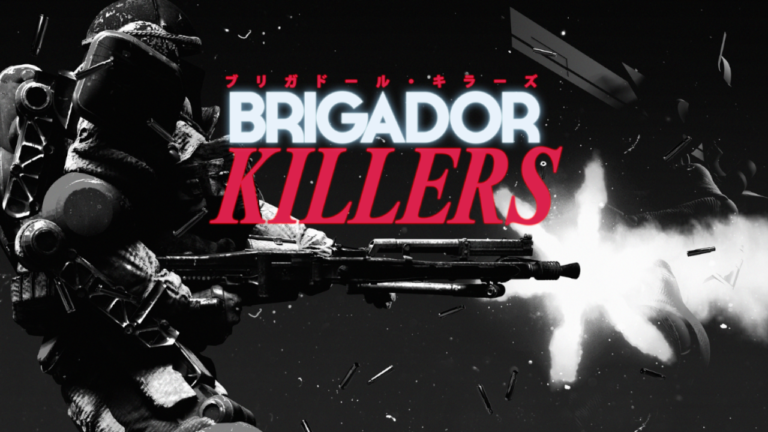
Killers follows Team Anchor on Mar Nosso, the homeworld of the Solo Nobre Concern, and expands Brigador’s combat beyond vehicles by allowing you to operate on foot.
That single decision changes the character of the game more than I expected.
Firearms demand considerably more consideration than simply pointing towards an enemy and holding the trigger. Movement affects weapon stability, and the aiming cone expands or contracts depending on what you are doing. Stopping, positioning yourself properly and giving a weapon time to settle can make the difference between controlling an encounter and wasting ammunition while several enemies close in.
Directional damage from Brigador also remains important. Catching enemies from behind can significantly improve the damage you inflict, but the same rule applies to you. Turning your back while trying to escape can be disastrous. It is a good example of how much mechanical information is sitting underneath the apparently straightforward top-down shooting, although Killers currently does not explain all of it particularly well.
The combat itself has plenty of character. Firearms feel threatening rather than disposable, ammunition has genuine value, and moving through an area without knowing exactly what lies around the next corner creates a different kind of tension from Brigador’s heavier vehicular encounters.
The Cost of Getting Greedy
Scavenging sits at the centre of that new structure.
Most missions beyond the introductory material use semi-random enemy placement and item drops, alongside variations intended to keep repeated runs from playing out exactly the same way. Equipment recovered during missions can become part of your growing stockpile, which makes even fairly ordinary weapons useful when your available arsenal is still small.
Death complicates that relationship because anything carried on your character is lost.
That can produce some of Brigador Killers’ best moments. You find another useful weapon or valuable piece of equipment further into a mission and have to decide whether continuing is worth the risk. The game quietly turns greed into part of its difficulty. Sometimes the sensible choice is to get out with what you already have.
The idea works better than its current interface.
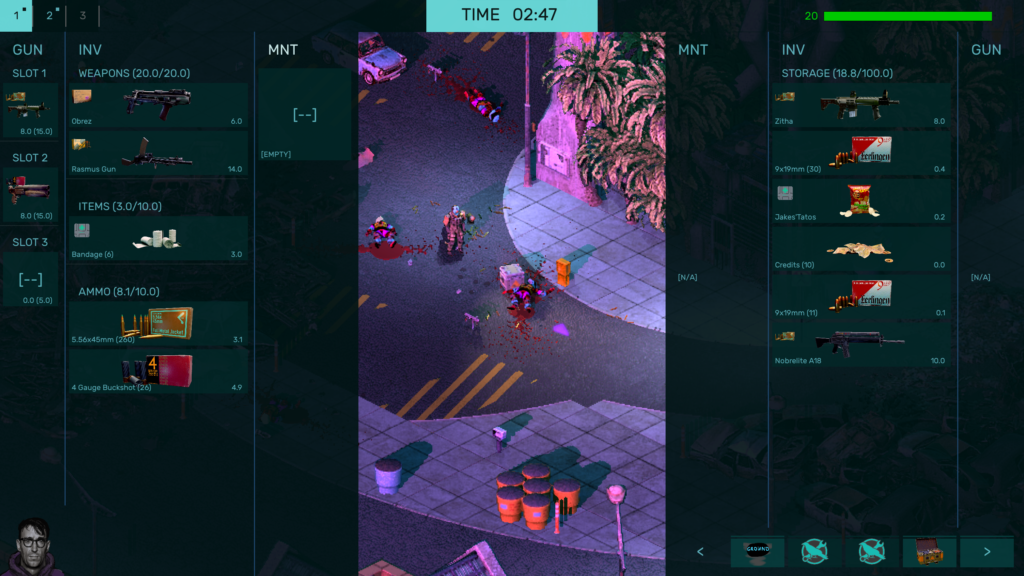
Inventory management remains one of the clearest areas where Killers still feels like an Early Access game. Backpacks determine what infantry can carry, vehicles provide additional storage through containers of different sizes, weapons need ammunition, and recovered material eventually feeds into fabrication. There are several interconnected systems here, but understanding them is often harder than actually using them once everything clicks.
Recent updates have already begun improving the problem, including better objective communication, changes to inventory interactions and the ability to unload ammunition directly from weapons. Even so, the interface still makes relatively simple actions demand more attention than they should.
Why the Demo Complicates Everything
A significant part of the early reaction to Brigador Killers comes from players who spent time with its previous demo.
That version behaved much more like a showcase. Once its initial material was completed, players gained access to a broad collection of equipment and vehicles considerably faster. Early Access restructures several previously separate sections into one continuous campaign and introduces equipment through progression instead.
The developers have acknowledged that this transition was not communicated clearly enough.
That matters because the Early Access version can initially look as though content has simply disappeared. In reality, several heavier vehicles are being held for later points in the campaign rather than removed outright. The Security Truck, Rounder tank, Party Van and Fork mech are among the machines intended for later progression as the campaign gains encounters suited to their firepower.
Vehicle access in the existing build begins opening after a sequence of Angel Base missions culminating in The Stakh. From there, cars become usable more freely and the Fabricator starts becoming increasingly relevant.
This is where Killers finally begins showing why its slower opening exists.
Becoming Mechanised Again

Once vehicles enter the equation, Brigador Killers begins connecting its new ideas with what made Brigador distinctive.
Infantry can carry a backpack, while vehicles provide larger storage options through their containers. Salvaging vehicles provides parts that feed back into the fabrication system, and machinery can eventually be constructed or fitted with different weaponry.
Suddenly the car you found is not simply a temporary power boost. It is transport, storage and another piece of equipment tied into the wider progression.
More importantly, spending time as infantry changes how these machines feel.
Brigador made vehicles ordinary because they were the language through which almost everything happened. Killers makes them desirable. Walking through Mar Nosso with limited equipment before finally getting behind the wheel gives even relatively modest vehicles a sense of importance that the original never really needed to establish.
That is the most convincing argument for the sequel’s current direction.
Plenty Here, But Plenty Missing Too
Calling Brigador Killers short on content would be unfair. More than 30 missions already exist, alongside repeatable missions, equipment progression, fabrication and the foundations of a larger campaign.
The issue is that quantity and completeness are different things.
Mission progression can be unclear. Important mechanics remain poorly communicated. Inventory interactions interrupt the rhythm of scavenging and combat more than they should. Placeholder interface artwork remains visible, and parts of the presentation can switch abruptly between wonderfully realised industrial science fiction and something clearly waiting for another development pass.
None of that is particularly surprising for Early Access, but it affects how easy the game is to recommend today.
Brigador Killers already has several good ideas fighting for attention. Infantry combat gives its world a different sense of scale, scavenging makes equipment meaningful, and gradually gaining access to vehicles creates a progression arc that distinguishes it from simply producing Brigador again with additional missions.
What it lacks is the connective tissue that makes those ideas immediately readable.
The current version frequently asks the player to trust that another system, another vehicle or another piece of progression will eventually justify the friction surrounding it. Sometimes that trust is rewarded. Sometimes you are left wrestling with an interface or wondering whether you have missed something the game never properly explained.
That is why this remains first impressions rather than a final review. Brigador Killers already has the mechanical foundation of something far more interesting than a straightforward sequel, but right now you can still see the scaffolding holding it together.
There is a good game taking shape here. Early Access simply makes you work a little too hard to see it.
This Preview of Brigador Killers is based on the PC Version, with the code provided by the Publisher/PR Agency.
About The Author